Mumbai Law Colleges Face Fines Over Bar Council Recognition
Law colleges in Mumbai face fines and potential delays due to Bar Council recognition issues. Admission processes may be affected.
'%3E%3Crect%20width%3D'96'%20height%3D'96'%20fill%3D'%23B3261E'%2F%3E%3Ccircle%20cx%3D'30'%20cy%3D'24'%20r%3D'44'%20fill%3D'%23fff'%20opacity%3D'.12'%2F%3E%3Ccircle%20cx%3D'60'%20cy%3D'74'%20r%3D'40'%20fill%3D'%23000'%20opacity%3D'.10'%2F%3E%3C%2Fg%3E%3Cg%20fill%3D'%23fff'%3E%3Crect%20x%3D'29'%20y%3D'49'%20width%3D'8'%20height%3D'19'%20rx%3D'1'%2F%3E%3Crect%20x%3D'39'%20y%3D'40'%20width%3D'9'%20height%3D'28'%20rx%3D'1'%2F%3E%3Crect%20x%3D'50'%20y%3D'45'%20width%3D'8'%20height%3D'23'%20rx%3D'1'%2F%3E%3Crect%20x%3D'60'%20y%3D'53'%20width%3D'7'%20height%3D'15'%20rx%3D'1'%2F%3E%3Crect%20x%3D'41'%20y%3D'34'%20width%3D'5'%20height%3D'6'%2F%3E%3C%2Fg%3E%3C%2Fsvg%3E)
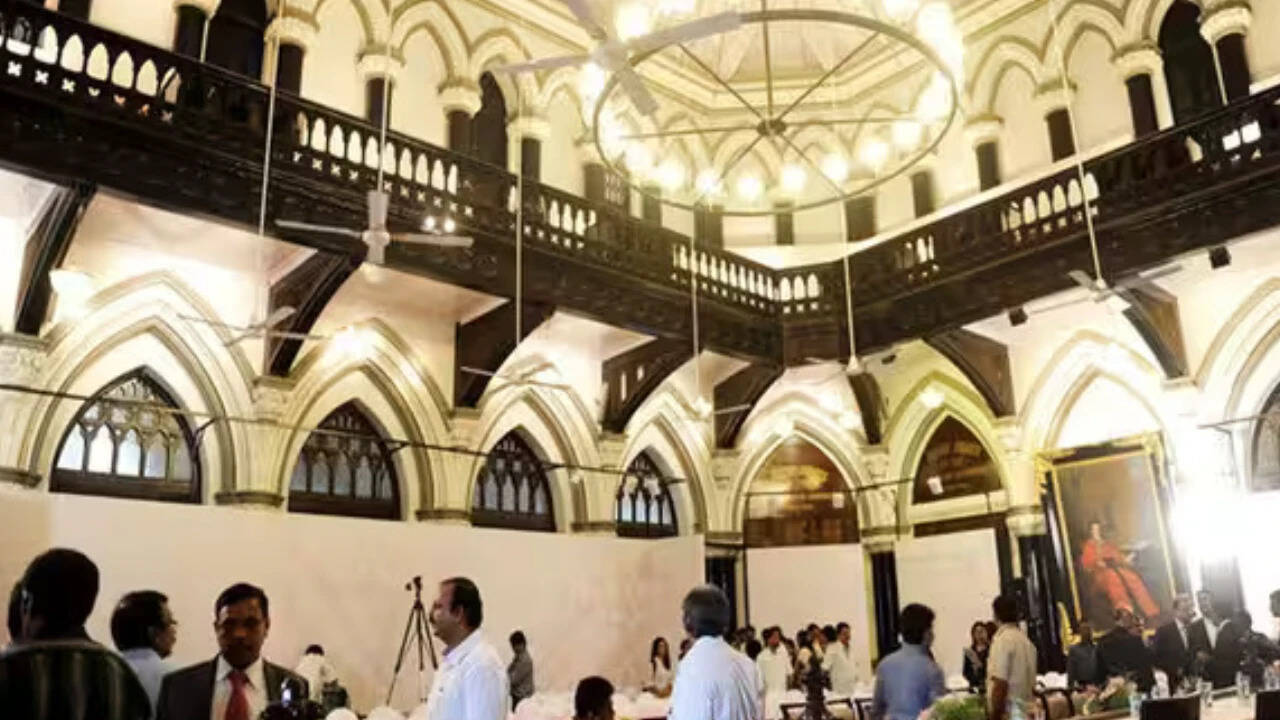
Mumbai law colleges are facing significant fines due to a new state government admission requirement. The colleges must obtain recognition from the Bar Council of India before participating in the CET cell process. However, a procedural mismatch between Mumbai University and the Bar Council of India is causing these financial penalties.
The private law colleges in Mumbai are seeking relaxation of this rule from the higher education minister. They are finding it challenging to comply with the new requirement, which is leading to the imposition of fines. The colleges are concerned that the delay in obtaining recognition from the Bar Council of India may affect the admission process.
The Bar Council of India recognition is a mandatory requirement for law colleges to participate in the CET cell process. The CET cell is responsible for conducting the common entrance test for admission to law colleges in the state. Without the recognition, the colleges cannot participate in the process, which may lead to delays in the admission process.
The issue is raising concerns among students who are seeking admission to law colleges in Mumbai. The students are worried that the delay in the admission process may affect their academic plans. The law colleges are also concerned about the impact of the delay on their reputation and the future of their students.
Mumbai University is the affiliating university for most law colleges in Mumbai. The university has its own set of procedures and requirements for law colleges. However, the Bar Council of India has its own set of rules and regulations, which are causing the procedural mismatch.
The private law colleges in Mumbai are hoping that the higher education minister will relax the rule and provide them with some relief. They are arguing that the new requirement is causing unnecessary hardship and financial burden on the colleges. The minister is yet to respond to the request, and the colleges are waiting with bated breath.
The issue highlights the challenges faced by law colleges in Mumbai in complying with the regulatory requirements. The colleges are struggling to balance the requirements of the Bar Council of India, Mumbai University, and the state government. The delay in obtaining recognition from the Bar Council of India is just one of the many challenges faced by the colleges.
In conclusion, the delay in obtaining Bar Council of India recognition is causing significant fines and potential delays in the admission process for law colleges in Mumbai. The issue is raising concerns among students, colleges, and the higher education minister. The minister's response to the request for relaxation of the rule will be crucial in resolving the issue and ensuring a smooth admission process.
The recognition issue is not just a procedural matter but also has significant implications for the quality of legal education in Mumbai. The Bar Council of India recognition is a seal of approval for law colleges, and it ensures that the colleges meet the minimum standards of quality. The delay in obtaining recognition may affect the reputation of the colleges and the quality of education provided to students.
The state government and the Bar Council of India must work together to resolve the issue and ensure that the law colleges in Mumbai can participate in the CET cell process without any hurdles. The government must also consider the concerns of the private law colleges and provide them with some relief. The issue is a complex one, and it requires a coordinated effort from all stakeholders to resolve it.
The future of legal education in Mumbai depends on the resolution of this issue. The law colleges, students, and the higher education minister are all waiting for a solution to the problem. The recognition issue is just one of the many challenges faced by law colleges in Mumbai, but it is a critical one that requires immediate attention.
The law colleges in Mumbai are hoping for a positive response from the higher education minister and the Bar Council of India. They are confident that the issue can be resolved through dialogue and coordination. The colleges are committed to providing quality legal education to their students, and they are willing to work with the regulatory authorities to ensure that they meet the minimum standards of quality.
In the end, the recognition issue is a test of the commitment of the law colleges, the state government, and the Bar Council of India to providing quality legal education in Mumbai. The issue requires a coordinated effort from all stakeholders, and it is crucial that they work together to resolve it. The future of legal education in Mumbai depends on it.
The issue of Bar Council recognition is a significant one, and it has far-reaching implications for law colleges in Mumbai. The colleges, students, and the higher education minister must work together to resolve the issue and ensure that the admission process is smooth and hassle-free. The recognition issue is a challenge, but it is also an opportunity for the law colleges to demonstrate their commitment to quality and excellence.
What it means for Mumbai is that the city's law colleges are facing a significant challenge in complying with the regulatory requirements. The issue is raising concerns among students, colleges, and the higher education minister. The resolution of the issue will depend on the coordination and dialogue between the stakeholders. The future of legal education in Mumbai depends on the resolution of this issue, and it is crucial that the stakeholders work together to find a solution.
In Mumbai, the law colleges are a significant part of the education ecosystem. The colleges provide quality legal education to thousands of students every year. The recognition issue is a challenge that the colleges must overcome to continue providing quality education. The city's reputation as a hub for legal education depends on the resolution of this issue.
The state government and the Bar Council of India must take immediate action to resolve the issue. The government must consider the concerns of the private law colleges and provide them with some relief. The Bar Council of India must also work with the colleges to ensure that they meet the minimum standards of quality. The recognition issue is a complex one, and it requires a coordinated effort from all stakeholders to resolve it.
In conclusion, the recognition issue is a significant challenge for law colleges in Mumbai. The issue is raising concerns among students, colleges, and the higher education minister. The resolution of the issue will depend on the coordination and dialogue between the stakeholders. The future of legal education in Mumbai depends on the resolution of this issue, and it is crucial that the stakeholders work together to find a solution.