Galápagos Snapdragon Rebounds to 28 Wild Plants
Conservation efforts pay off, species rebounds from 6 plants. Recovery hopes rise.
'%3E%3Crect%20width%3D'96'%20height%3D'96'%20fill%3D'%231B5E20'%2F%3E%3Ccircle%20cx%3D'30'%20cy%3D'24'%20r%3D'44'%20fill%3D'%23fff'%20opacity%3D'.12'%2F%3E%3Ccircle%20cx%3D'60'%20cy%3D'74'%20r%3D'40'%20fill%3D'%23000'%20opacity%3D'.10'%2F%3E%3C%2Fg%3E%3Cg%3E%3Ccircle%20cx%3D'48'%20cy%3D'48'%20r%3D'15'%20fill%3D'%23fff'%2F%3E%3Cpath%20d%3D'M43%2034%20Q50%2048%2043%2062'%20fill%3D'none'%20stroke%3D'%238a94a6'%20stroke-width%3D'2.4'%2F%3E%3Cpath%20d%3D'M47%2033%20Q54%2048%2047%2063'%20fill%3D'none'%20stroke%3D'%238a94a6'%20stroke-width%3D'1.8'%20stroke-dasharray%3D'1.5%203'%2F%3E%3C%2Fg%3E%3C%2Fsvg%3E)
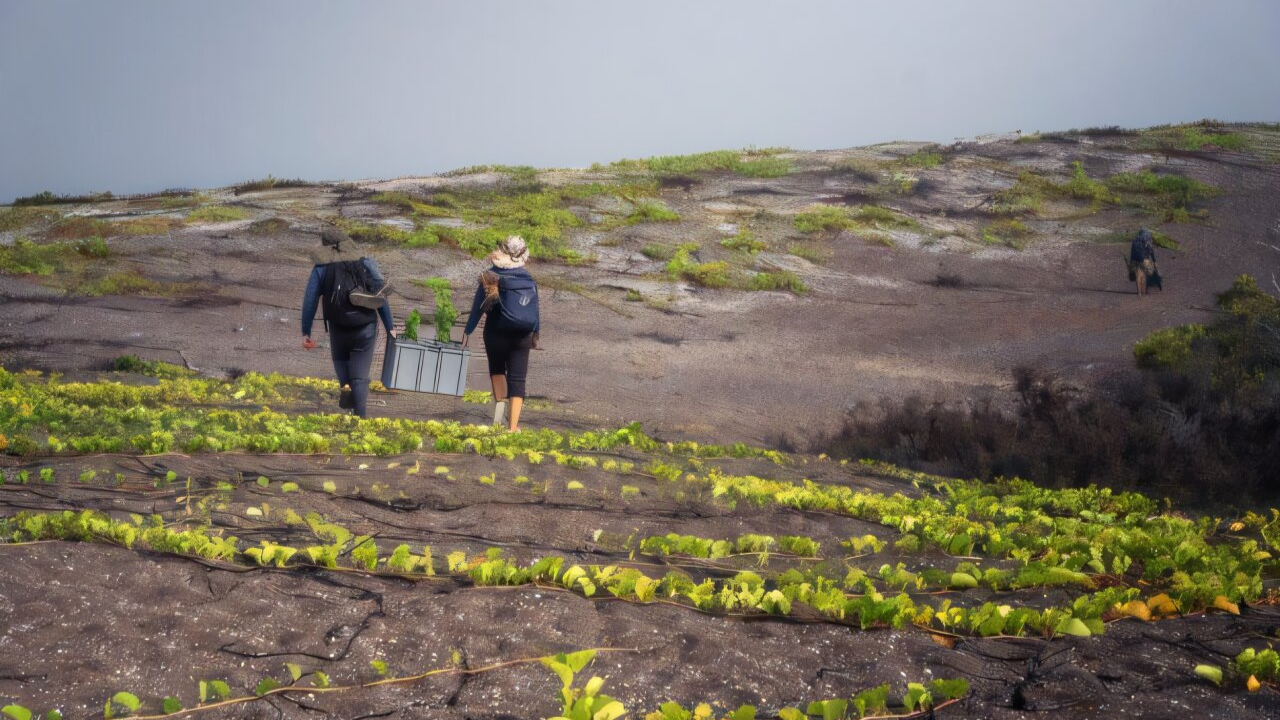
The Galápagos snapdragon, a critically endangered species, has shown significant signs of recovery after three decades of conservation efforts. In the wild, the species had dwindled to just six plants. However, through dedicated nurturing in nurseries, conservationists were able to transplant 94 young shrubs into the volcanic terrain of Isabela Island.
This conservation effort has led to a notable increase in the number of wild Galápagos snapdragons, with the total now standing at 28 plants. The emergence of natural seedlings in their habitat is a crucial breakthrough, indicating that the species is starting to thrive once more.
The recovery of the Galápagos snapdragon is a testament to the power of targeted conservation initiatives. By providing a safe and nurturing environment, conservationists have enabled the species to begin rebuilding its population. The transplantation of young shrubs into the wild has been particularly successful, with many of these plants now thriving in their natural habitat.
The Galápagos Islands, located off the coast of Ecuador, are renowned for their unique and diverse wildlife. The islands are home to a wide range of endemic species, many of which are found nowhere else on Earth. The Galápagos snapdragon is one such species, and its recovery is a significant conservation success story.
The conservation of the Galápagos snapdragon has involved a range of strategies, including the protection of its habitat and the control of invasive species. By working to create a safe and stable environment, conservationists have enabled the species to begin recovering from the brink of extinction.
The increase in the Galápagos snapdragon population is a positive sign for the future of the species. As the population continues to grow, the species will become more resilient to threats such as disease and invasive species. The recovery of the Galápagos snapdragon is a significant achievement, and it highlights the importance of conservation efforts in protecting endangered species.
The conservation of the Galápagos snapdragon is an ongoing process, and continued efforts will be necessary to ensure the long-term survival of the species. However, the progress made so far is a promising sign, and it demonstrates the potential for conservation initiatives to make a real difference in the recovery of endangered species.
In conclusion, the recovery of the Galápagos snapdragon is a significant conservation success story, and it highlights the importance of targeted conservation initiatives in protecting endangered species. The increase in the population of this critically endangered species is a positive sign for the future, and it demonstrates the potential for conservation efforts to make a real difference in the recovery of endangered species.
Frequently asked questions
What is the current population of the Galápagos snapdragon?
The current population of the Galápagos snapdragon is 28 wild plants.
Where were the young shrubs transplanted to?
The young shrubs were transplanted to the volcanic terrain of Isabela Island.