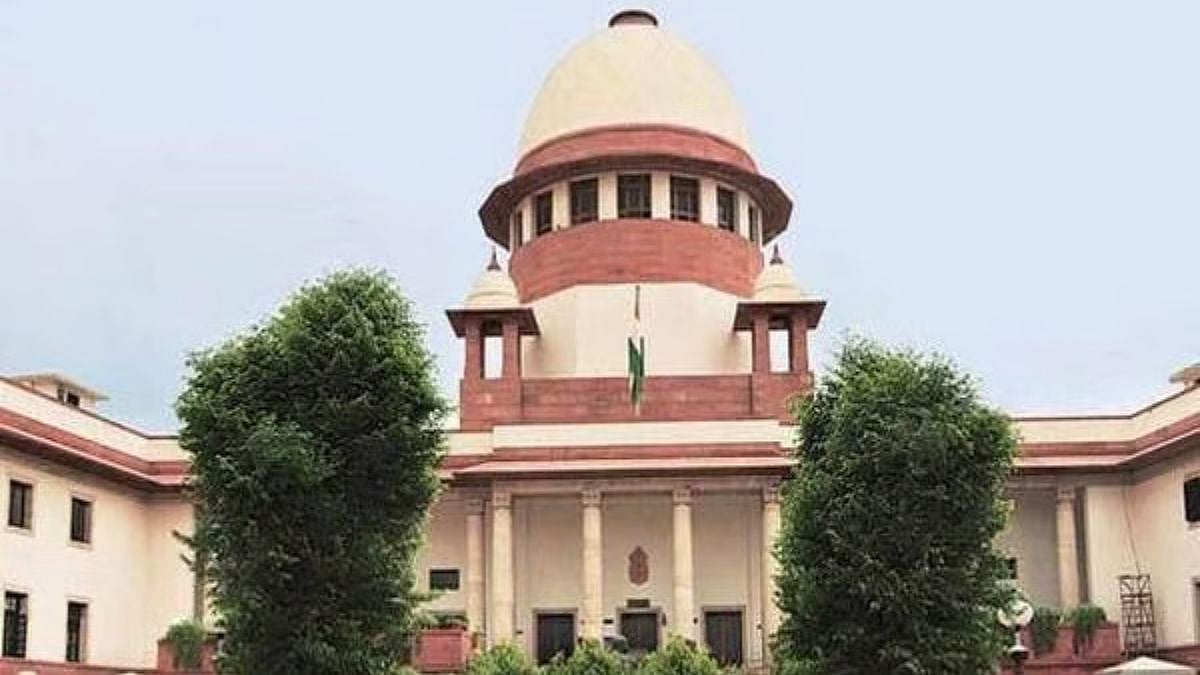
Maharashtra Bans Junk Food In Schools
Maharashtra bans junk food in schools, but will it change teens' eating habits? A Mumbai teen's study reveals surprising results.
'%3E%3Crect%20width%3D'96'%20height%3D'96'%20fill%3D'%23B3261E'%2F%3E%3Ccircle%20cx%3D'30'%20cy%3D'24'%20r%3D'44'%20fill%3D'%23fff'%20opacity%3D'.12'%2F%3E%3Ccircle%20cx%3D'60'%20cy%3D'74'%20r%3D'40'%20fill%3D'%23000'%20opacity%3D'.10'%2F%3E%3C%2Fg%3E%3Cg%20fill%3D'%23fff'%3E%3Crect%20x%3D'29'%20y%3D'49'%20width%3D'8'%20height%3D'19'%20rx%3D'1'%2F%3E%3Crect%20x%3D'39'%20y%3D'40'%20width%3D'9'%20height%3D'28'%20rx%3D'1'%2F%3E%3Crect%20x%3D'50'%20y%3D'45'%20width%3D'8'%20height%3D'23'%20rx%3D'1'%2F%3E%3Crect%20x%3D'60'%20y%3D'53'%20width%3D'7'%20height%3D'15'%20rx%3D'1'%2F%3E%3Crect%20x%3D'41'%20y%3D'34'%20width%3D'5'%20height%3D'6'%2F%3E%3C%2Fg%3E%3C%2Fsvg%3E)
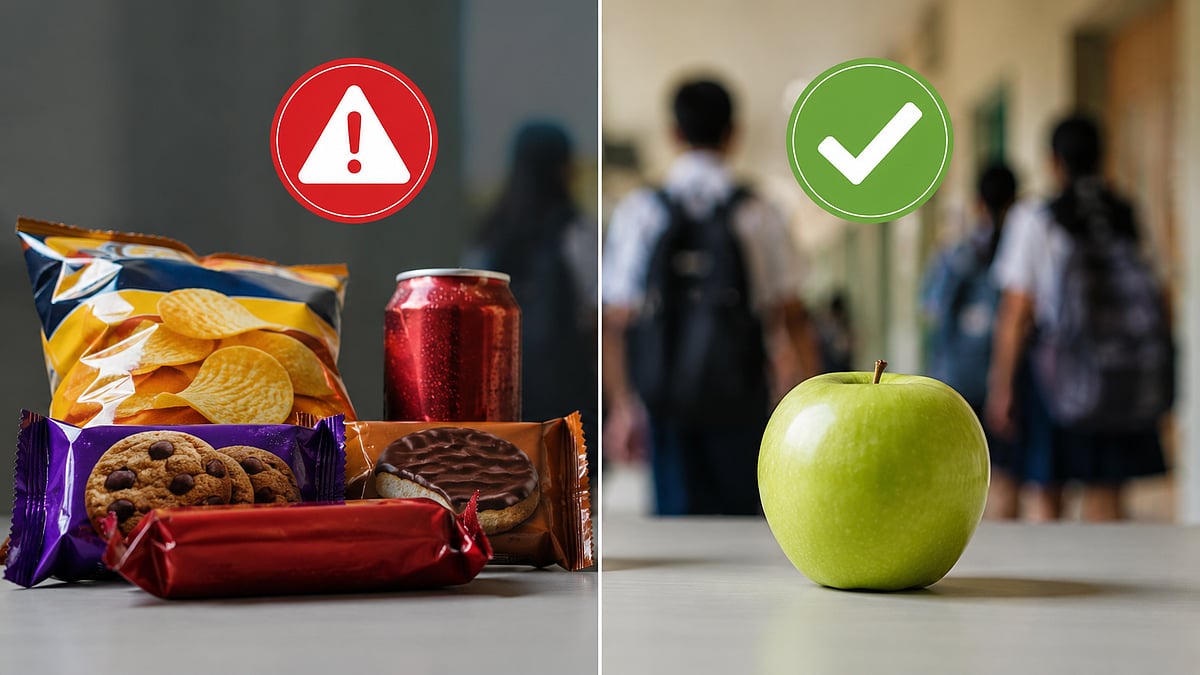
A recent directive by Maharashtra's FDA Commissioner has banned the sale of chocolates, chips, and cold drinks in schools across the state. This move aims to promote healthier eating habits among teenagers. However, a study conducted by a Mumbai teenager suggests that banning junk food alone may not be enough to change teens' eating habits.
The study, which involved 120 teenagers from schools across Mumbai, found that when given the choice between two fictional biscuit brands, only one in three teenagers chose the healthier option when the packaging had no front-of-pack label. This is currently the standard practice in India, where nutrition information is only provided on the back of the pack.
The study tested the effectiveness of different front-of-pack labeling systems, including a Warning Label, Nutri-Score, and Health Star Rating. The results showed that when a Warning Label was used, 8 out of 10 teenagers chose the healthier biscuit. Similarly, when the Nutri-Score or Health Star Rating system was used, a significant majority of teenagers opted for the healthier option.
These findings suggest that providing clear and concise nutrition information on the front of packaging can have a significant impact on teenagers' food choices. The current system, which relies on back-of-pack nutrition tables, may not be effective in promoting healthier eating habits.
The ban on junk food in schools is a step in the right direction, but it only addresses part of the problem. When teenagers step outside the school premises, they are still exposed to the same unhealthy products with unlabelled packaging. To truly promote healthier eating habits, there needs to be a broader effort to provide clear and accurate nutrition information on food packaging.
The study's findings have important implications for policymakers and food manufacturers. By adopting a front-of-pack labeling system, India can promote healthier eating habits and reduce the risk of diet-related health problems.
In conclusion, while the ban on junk food in schools is a positive move, it is only half the solution. To truly change teenagers' eating habits, there needs to be a concerted effort to provide clear and accurate nutrition information on food packaging. The study's findings provide a valuable insight into the effectiveness of different labeling systems and can inform future policy decisions.
The Maharashtra government's initiative to ban junk food in schools is a meaningful step forward, but it is essential to address the broader issue of food labeling to promote healthier eating habits among teenagers. By working together, policymakers, food manufacturers, and consumers can create a healthier food environment that supports the well-being of India's youth.
The study's results are a testament to the power of informed decision-making. By providing teenagers with clear and concise nutrition information, we can empower them to make healthier choices. As the Maharashtra government continues to promote healthier eating habits, it is essential to consider the findings of this study and work towards creating a food labeling system that supports the health and well-being of India's youth.
In the end, the key to promoting healthier eating habits among teenagers lies in providing them with the information they need to make informed decisions. By adopting a front-of-pack labeling system and promoting clear and accurate nutrition information, India can take a significant step towards creating a healthier food environment for its youth.
Frequently asked questions
What is the new rule about junk food in Maharashtra schools?
The Maharashtra government has banned the sale of chocolates, chips, and cold drinks in schools across the state.
How effective is front-of-pack labeling in promoting healthier eating habits?
A study found that 8 out of 10 teenagers chose the healthier biscuit when a Warning Label was used, suggesting that front-of-pack labeling can be an effective way to promote healthier eating habits.