Chabahar Port Terminal Unscathed After US Strikes
India's MEA confirms no damage to terminal, US-Iran tensions rise
'%3E%3Crect%20width%3D'96'%20height%3D'96'%20fill%3D'%234A235A'%2F%3E%3Ccircle%20cx%3D'30'%20cy%3D'24'%20r%3D'44'%20fill%3D'%23fff'%20opacity%3D'.12'%2F%3E%3Ccircle%20cx%3D'60'%20cy%3D'74'%20r%3D'40'%20fill%3D'%23000'%20opacity%3D'.10'%2F%3E%3C%2Fg%3E%3Cg%20fill%3D'none'%20stroke%3D'%23fff'%20stroke-width%3D'3'%3E%3Ccircle%20cx%3D'48'%20cy%3D'48'%20r%3D'16'%2F%3E%3Cellipse%20cx%3D'48'%20cy%3D'48'%20rx%3D'6.5'%20ry%3D'16'%2F%3E%3Cline%20x1%3D'32'%20y1%3D'42'%20x2%3D'64'%20y2%3D'42'%2F%3E%3Cline%20x1%3D'32'%20y1%3D'54'%20x2%3D'64'%20y2%3D'54'%2F%3E%3C%2Fg%3E%3C%2Fsvg%3E)
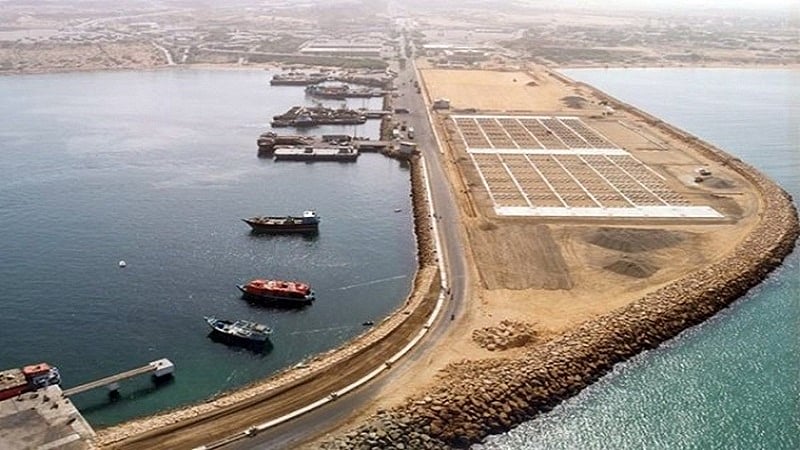
The Ministry of External Affairs (MEA) has confirmed that the Chabahar Port terminal in Iran remains undamaged after reports of US airstrikes targeting nearby infrastructure.
The clarification was made by MEA spokesperson Randhir Jaiswal during a weekly media briefing in New Delhi. Jaiswal stated that India had taken note of the reports but confirmed that the operational terminal at the port was unaffected.
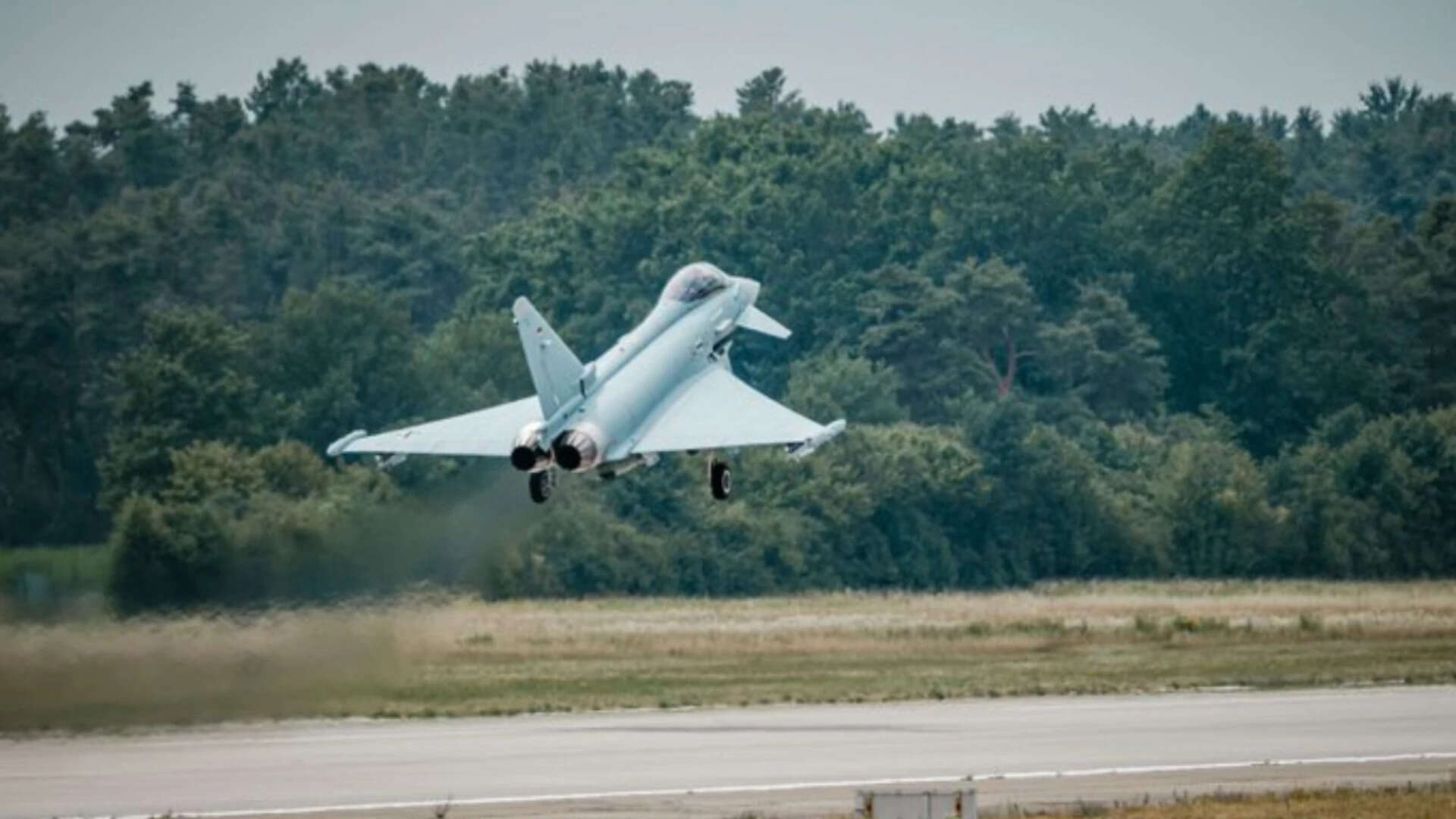
The US strikes were part of a wider military campaign against Iranian infrastructure, amid rising tensions between Washington and Tehran. Iranian state media reported that the port area was targeted, but did not verify reports of damage to a surveillance tower.
The Chabahar Port is a key element of India's regional connectivity strategy, providing direct access to Afghanistan and Central Asia without relying on routes through Pakistan. India has invested in developing the Shahid Beheshti terminal at Chabahar to strengthen commercial links with Central Asia and Afghanistan.
Jaiswal also stated that India continues to engage with relevant stakeholders regarding the future of the Chabahar Port project, following the expiry of the US sanctions waiver that previously allowed New Delhi's participation. Discussions are underway on how to take forward India's involvement in the project.
The latest developments come amid heightened US-Iran military tensions, with concerns growing over possible disruptions to regional trade routes and infrastructure. The MEA spokesperson emphasized that no changes have been announced in India's engagement with the port.
The Chabahar Port project is crucial for India's trade and connectivity ambitions in the region. The port has been viewed as a strategic gateway for trade and connectivity in the region. India's investment in the port is part of its efforts to strengthen economic ties with Central Asia and Afghanistan.
The US-Iran tensions have raised concerns over the safety of strategic infrastructure and shipping routes across the Gulf region. The MEA's clarification on the Chabahar Port terminal's status provides some relief, but the situation remains volatile.
In the context of India's regional connectivity strategy, the Chabahar Port project is a key component. The port provides India with a direct route to Afghanistan and Central Asia, bypassing Pakistan. This is significant for India's trade and economic ambitions in the region.
The expiry of the US sanctions waiver has added complexity to the project, but India remains committed to its involvement. The MEA's engagement with relevant stakeholders is aimed at finding a way forward for the project, despite the challenges posed by the US-Iran tensions.
In conclusion, the Chabahar Port terminal's status is a significant development in the context of India's regional connectivity strategy. The MEA's clarification provides some relief, but the situation remains volatile. The project's future will depend on India's ability to navigate the complex geopolitical landscape and find a way forward despite the challenges posed by the US-Iran tensions.
The implications of the US-Iran tensions on regional trade routes and infrastructure are significant. The situation has raised concerns over the safety of strategic infrastructure and shipping routes across the Gulf region. India's engagement with the Chabahar Port project is a crucial aspect of its regional connectivity strategy, and the country will need to navigate the complex geopolitical landscape to ensure the project's success.
Overall, the Chabahar Port terminal's status is a significant development in the context of India's regional connectivity strategy. The MEA's clarification provides some relief, but the situation remains volatile. The project's future will depend on India's ability to navigate the complex geopolitical landscape and find a way forward despite the challenges posed by the US-Iran tensions.