Crude Prices Surge Past $90
Oil prices rise as Middle East tensions escalate and supply concerns grow.
'%3E%3Crect%20width%3D'96'%20height%3D'96'%20fill%3D'%234A235A'%2F%3E%3Ccircle%20cx%3D'30'%20cy%3D'24'%20r%3D'44'%20fill%3D'%23fff'%20opacity%3D'.12'%2F%3E%3Ccircle%20cx%3D'60'%20cy%3D'74'%20r%3D'40'%20fill%3D'%23000'%20opacity%3D'.10'%2F%3E%3C%2Fg%3E%3Cg%20fill%3D'none'%20stroke%3D'%23fff'%20stroke-width%3D'3'%3E%3Ccircle%20cx%3D'48'%20cy%3D'48'%20r%3D'16'%2F%3E%3Cellipse%20cx%3D'48'%20cy%3D'48'%20rx%3D'6.5'%20ry%3D'16'%2F%3E%3Cline%20x1%3D'32'%20y1%3D'42'%20x2%3D'64'%20y2%3D'42'%2F%3E%3Cline%20x1%3D'32'%20y1%3D'54'%20x2%3D'64'%20y2%3D'54'%2F%3E%3C%2Fg%3E%3C%2Fsvg%3E)
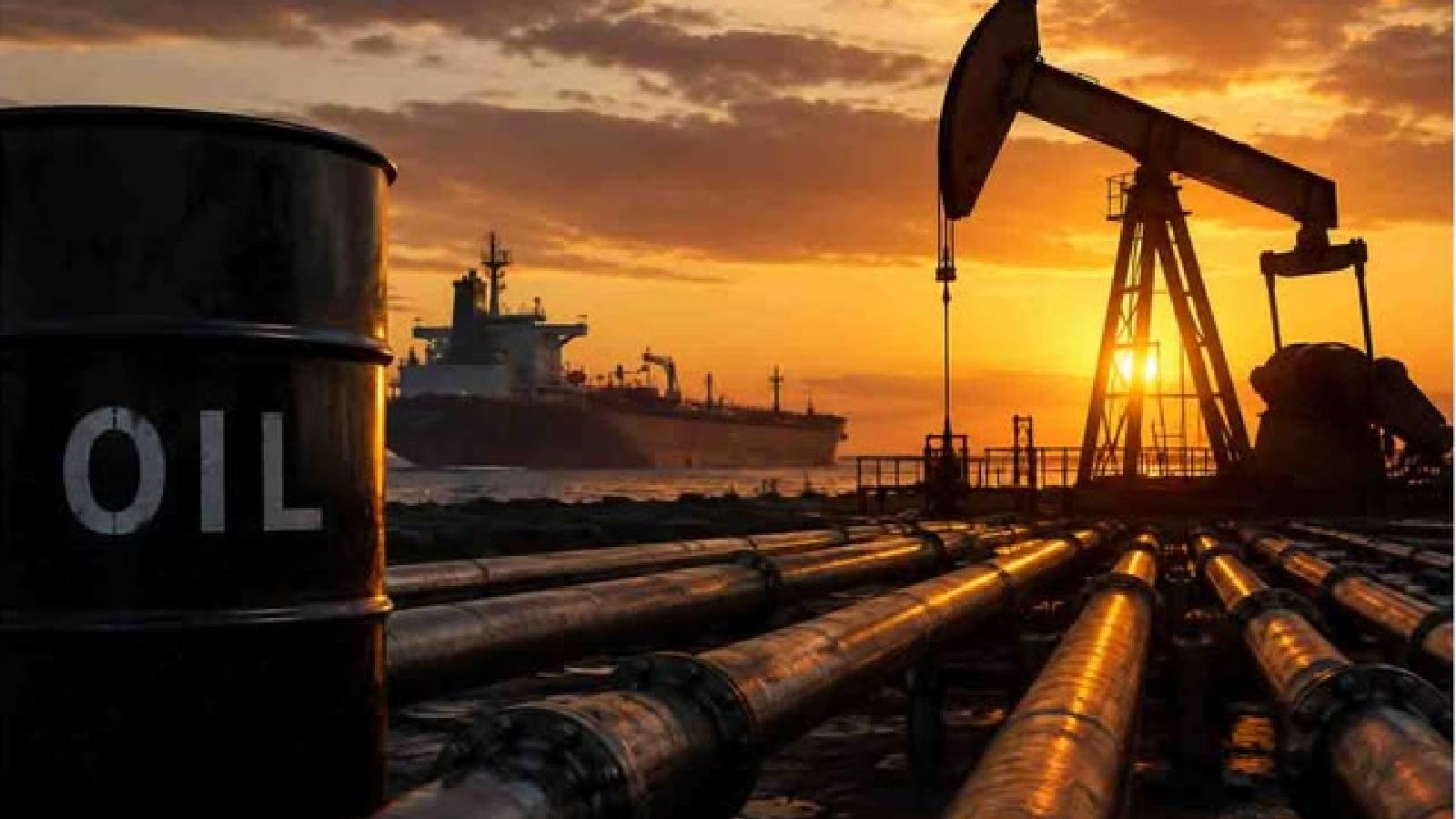
Crude oil prices have surpassed $90 per barrel as hopes for a ceasefire in the Middle East have begun to fade. The situation has been exacerbated by Iran's indication of a more aggressive military stance and the US's refusal to extend the ceasefire.
The conflict has had a significant impact on oil supply, with shipping through the Strait of Hormuz decreasing substantially following recent attacks. The Strait of Hormuz is a critical waterway for oil transportation, and any disruption to shipping in the region can have far-reaching consequences for global oil supplies.
Tensions have also escalated in the Red Sea, with Houthi missile attacks contributing to the sense of unease in the region. The combination of these factors has led to increased concerns about the security of oil supplies, which has in turn driven up crude oil prices.
In the US, crude oil inventories are expected to have declined last week, which has further contributed to the upward pressure on prices. The decline in inventories has been anticipated, but the actual figures have yet to be released.
The ongoing tensions in the Middle East and the resulting disruption to oil supplies have significant implications for the global economy. As oil prices continue to rise, it is likely that the cost of fuel and other petroleum products will also increase, which could have a knock-on effect on inflation and economic growth.
The situation in the Middle East remains volatile, and any further escalation of tensions could lead to even higher oil prices. The global economy is heavily reliant on oil, and any disruption to supplies can have far-reaching consequences.
In recent years, the Middle East has been a source of significant instability, with various conflicts and tensions contributing to volatility in the oil market. The current situation is just the latest example of how events in the region can impact global oil prices.
As the situation continues to unfold, it is likely that oil prices will remain volatile. The global economy will be closely watching developments in the Middle East, as any further disruption to oil supplies could have significant consequences.
The impact of rising oil prices will be felt globally, with consumers and businesses alike facing increased costs. The situation highlights the need for a stable and secure global oil supply, and the importance of finding a resolution to the conflicts in the Middle East.
In conclusion, the surge in crude oil prices past $90 per barrel is a result of the escalating tensions in the Middle East and the resulting disruption to oil supplies. The situation has significant implications for the global economy, and it is likely that oil prices will remain volatile in the coming weeks and months.
Frequently asked questions
Why are crude oil prices rising?
Crude oil prices are rising due to escalating tensions in the Middle East and disruption to oil supplies.
What is the current situation with oil shipping through the Strait of Hormuz?
Shipping through the Strait of Hormuz has significantly decreased following recent attacks.