Government Opposes Creamy Layer in SC/ST Quotas
Government argues against excluding creamy layer from SC/ST quotas, citing historical wrongs.
'%3E%3Crect%20width%3D'96'%20height%3D'96'%20fill%3D'%231A5276'%2F%3E%3Ccircle%20cx%3D'30'%20cy%3D'24'%20r%3D'44'%20fill%3D'%23fff'%20opacity%3D'.12'%2F%3E%3Ccircle%20cx%3D'60'%20cy%3D'74'%20r%3D'40'%20fill%3D'%23000'%20opacity%3D'.10'%2F%3E%3C%2Fg%3E%3Cg%20fill%3D'%23fff'%3E%3Cpath%20d%3D'M31%2041%20L48%2031%20L65%2041%20Z'%2F%3E%3Crect%20x%3D'33'%20y%3D'43'%20width%3D'4'%20height%3D'17'%2F%3E%3Crect%20x%3D'41'%20y%3D'43'%20width%3D'4'%20height%3D'17'%2F%3E%3Crect%20x%3D'51'%20y%3D'43'%20width%3D'4'%20height%3D'17'%2F%3E%3Crect%20x%3D'59'%20y%3D'43'%20width%3D'4'%20height%3D'17'%2F%3E%3Crect%20x%3D'30'%20y%3D'62'%20width%3D'36'%20height%3D'4'%20rx%3D'1'%2F%3E%3C%2Fg%3E%3C%2Fsvg%3E)
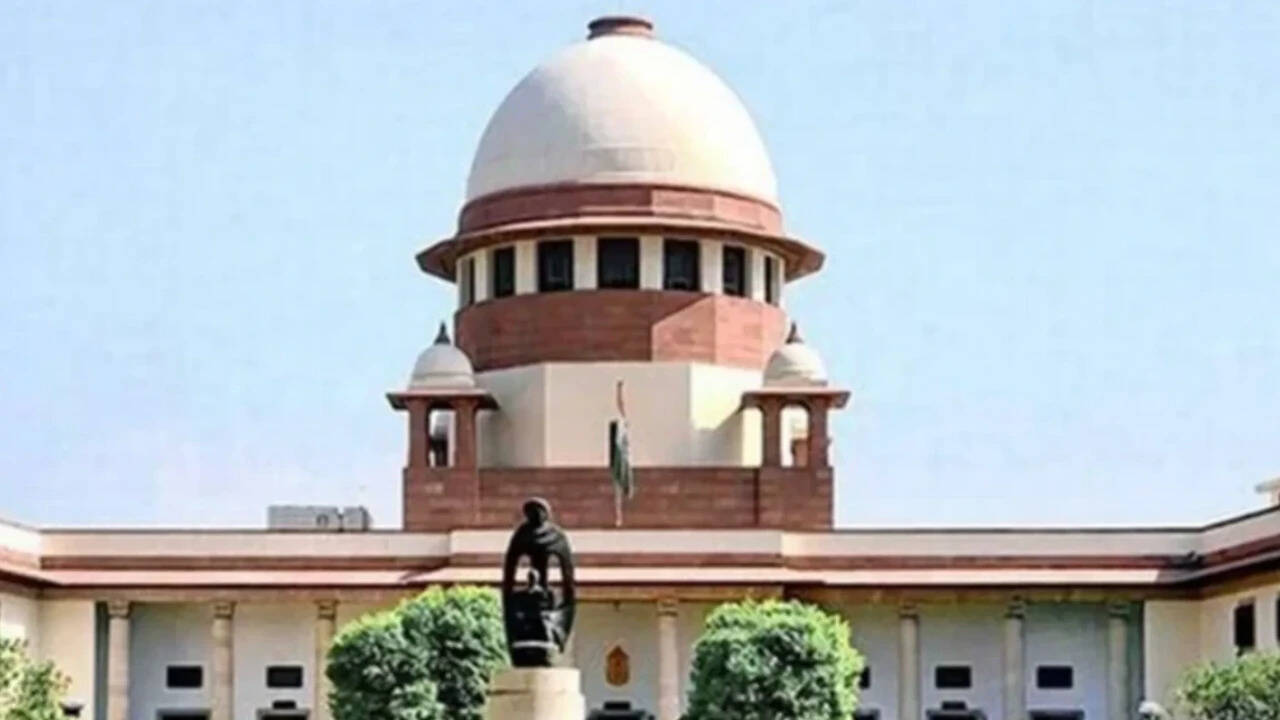
The Indian government has expressed its opposition to excluding the creamy layer from reservation benefits for Scheduled Castes (SC) and Scheduled Tribes (ST) in a submission to the Supreme Court. According to the government, the challenges faced by these communities are deeply rooted in issues beyond mere economic disparities.
The government's stance emphasizes that reservation is a means to rectify historical injustices and ensure equitable access to opportunities for marginalized groups. This position underscores the complexities of social and economic inequalities that SC and ST communities encounter.
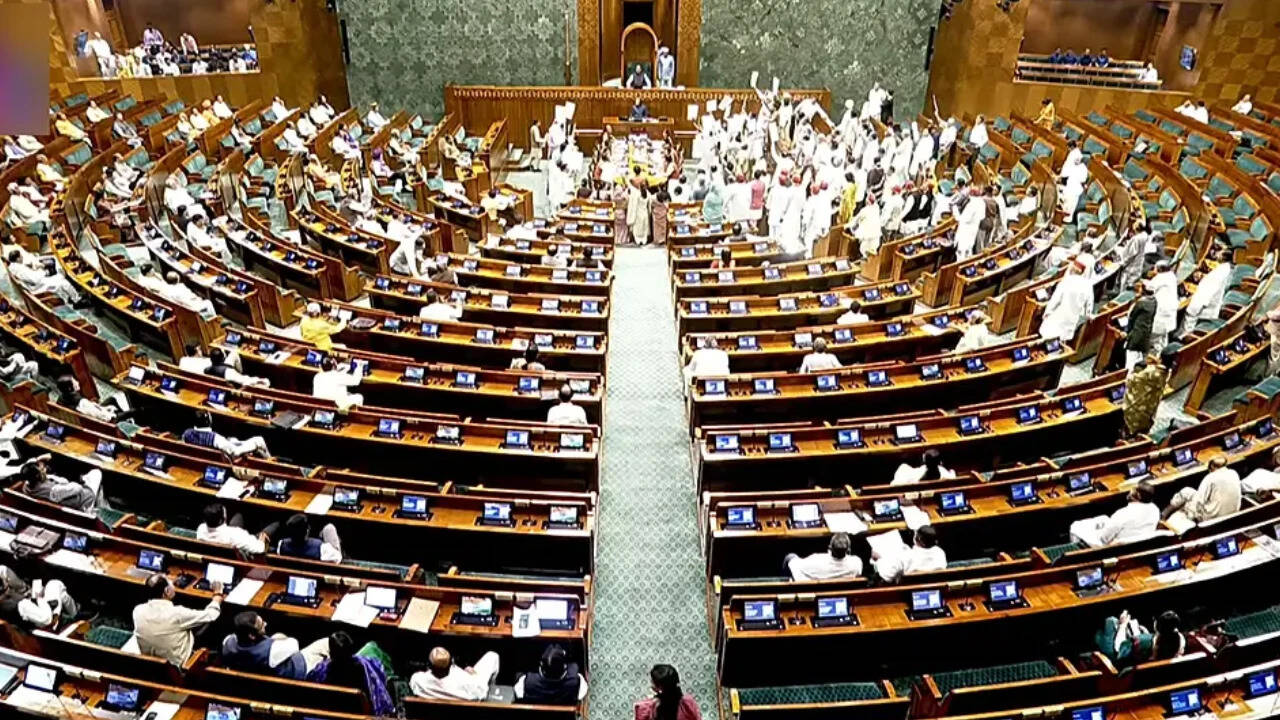
The Supreme Court has previously allowed states to categorize castes within SC groups, recognizing the diversity within these communities. However, the court has also clarified that only Parliament has the authority to amend the lists of SC and ST populations eligible for reservation benefits. This distinction highlights the delicate balance between state-level initiatives and federal oversight in matters of social welfare and equality.
The concept of the creamy layer was introduced to prevent the benefits of reservation from being cornered by the more affluent segments within marginalized communities, thereby ensuring that those who need these benefits the most are not left behind. The government's argument against applying this concept to SC/ST reservations suggests a belief that the historical and social disadvantages faced by these groups are so profound that economic status alone is not a sufficient criterion for determining eligibility for reservation benefits.
In the broader context of Indian society, the debate over reservation policies reflects ongoing efforts to address deep-seated inequalities and promote social justice. The government's stance on this issue is likely to be scrutinized closely by various stakeholders, including civil society organizations, political parties, and the judiciary.
The reservation policy is enshrined in the Indian Constitution, with Articles 15(4) and 16(4) providing the legal framework for affirmative action in favor of SCs and STs. These provisions aim to counterbalance the historical injustices and discrimination faced by these communities, thereby promoting equal opportunities in education, employment, and other spheres.
As the Supreme Court considers the government's submission, the outcome is likely to have significant implications for the future of reservation policies in India. The decision will not only affect the lives of millions of individuals belonging to SC and ST communities but also influence the broader discourse on social justice and equality in the country.
In conclusion, the government's opposition to excluding the creamy layer from SC/ST quotas underscores the complex interplay between social justice, economic empowerment, and constitutional provisions in India. The ultimate decision by the Supreme Court will be a crucial milestone in the ongoing journey towards a more equitable society.
Frequently asked questions
What is the government's stance on the creamy layer in SC/ST quotas?
The government opposes excluding the creamy layer from SC/ST quotas, citing historical wrongs and the need for equitable access.
Who has the power to amend the lists of SC and ST populations eligible for reservation benefits?
Only Parliament holds the authority to amend these lists.