RBI Sets New Rules for EMI Defaults
New RBI rules on EMI defaults, device locking explained
'%3E%3Crect%20width%3D'96'%20height%3D'96'%20fill%3D'%230B6E4F'%2F%3E%3Ccircle%20cx%3D'30'%20cy%3D'24'%20r%3D'44'%20fill%3D'%23fff'%20opacity%3D'.12'%2F%3E%3Ccircle%20cx%3D'60'%20cy%3D'74'%20r%3D'40'%20fill%3D'%23000'%20opacity%3D'.10'%2F%3E%3C%2Fg%3E%3Cg%20fill%3D'none'%20stroke%3D'%23fff'%20stroke-width%3D'3.2'%20stroke-linecap%3D'round'%20stroke-linejoin%3D'round'%3E%3Cpolyline%20points%3D'31%2C59%2041%2C49%2049%2C54%2063%2C37'%2F%3E%3Cpolyline%20points%3D'55%2C37%2063%2C37%2063%2C45'%2F%3E%3C%2Fg%3E%3C%2Fsvg%3E)
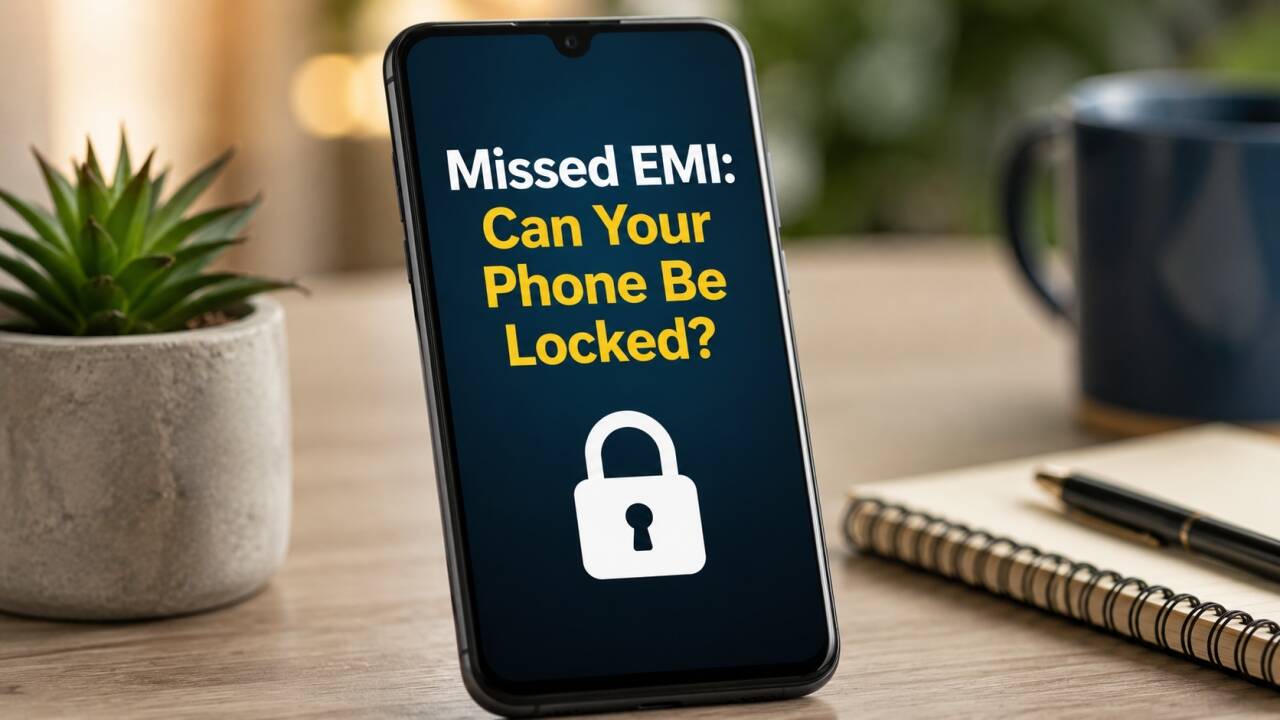
The Reserve Bank of India has introduced new guidelines for lenders to recover loans, including the possibility of blocking or locking devices purchased through EMI financing. These rules will come into effect on January 1, 2027.
The RBI's move aims to provide a framework for lenders to deal with defaults on EMI payments. The guidelines will help lenders to recover their dues and prevent unnecessary harassment of borrowers.
According to the new rules, lenders will have the option to block or lock devices in case of EMI defaults. However, the specifics of how this will be implemented are still unclear. It is expected that lenders will work with device manufacturers to develop a system for remotely locking devices.
The new framework is part of the RBI's efforts to regulate the lending industry and protect the interests of borrowers. The central bank has been working to prevent unfair practices by lenders and ensure that borrowers are treated fairly.
The RBI's guidelines on EMI defaults are significant, as they will impact a large number of borrowers who purchase devices through EMI financing. The rules will provide a clear framework for lenders to follow, and will help to prevent disputes between lenders and borrowers.
In recent years, there has been a growing trend of purchasing devices through EMI financing. This has led to an increase in defaults, as some borrowers struggle to make payments. The RBI's new rules aim to address this issue and provide a fair and transparent system for lenders to recover their dues.
The implementation of the new rules will be closely watched by the lending industry and borrowers alike. It is expected that the rules will have a significant impact on the way lenders deal with EMI defaults, and will help to prevent unnecessary harassment of borrowers.
The RBI's move is also seen as a step towards regulating the growing market of digital lending. The central bank has been working to prevent unfair practices by digital lenders and ensure that borrowers are protected.
In conclusion, the RBI's new rules on EMI defaults are an important development in the lending industry. The rules will provide a clear framework for lenders to follow, and will help to prevent disputes between lenders and borrowers. The implementation of the rules will be closely watched, and is expected to have a significant impact on the way lenders deal with EMI defaults.
Frequently asked questions
When will the new RBI rules on EMI defaults come into effect?
The new rules will come into effect from January 1, 2027.
What will happen to devices purchased through EMI financing if payments are missed?
Devices may be blocked or locked in case of EMI defaults, as per the new RBI guidelines.