BMC Launches Decentralised Waste Mission
BMC offers tax rebate for waste management. Housing societies to benefit.
'%3E%3Crect%20width%3D'96'%20height%3D'96'%20fill%3D'%23B3261E'%2F%3E%3Ccircle%20cx%3D'30'%20cy%3D'24'%20r%3D'44'%20fill%3D'%23fff'%20opacity%3D'.12'%2F%3E%3Ccircle%20cx%3D'60'%20cy%3D'74'%20r%3D'40'%20fill%3D'%23000'%20opacity%3D'.10'%2F%3E%3C%2Fg%3E%3Cg%20fill%3D'%23fff'%3E%3Crect%20x%3D'29'%20y%3D'49'%20width%3D'8'%20height%3D'19'%20rx%3D'1'%2F%3E%3Crect%20x%3D'39'%20y%3D'40'%20width%3D'9'%20height%3D'28'%20rx%3D'1'%2F%3E%3Crect%20x%3D'50'%20y%3D'45'%20width%3D'8'%20height%3D'23'%20rx%3D'1'%2F%3E%3Crect%20x%3D'60'%20y%3D'53'%20width%3D'7'%20height%3D'15'%20rx%3D'1'%2F%3E%3Crect%20x%3D'41'%20y%3D'34'%20width%3D'5'%20height%3D'6'%2F%3E%3C%2Fg%3E%3C%2Fsvg%3E)
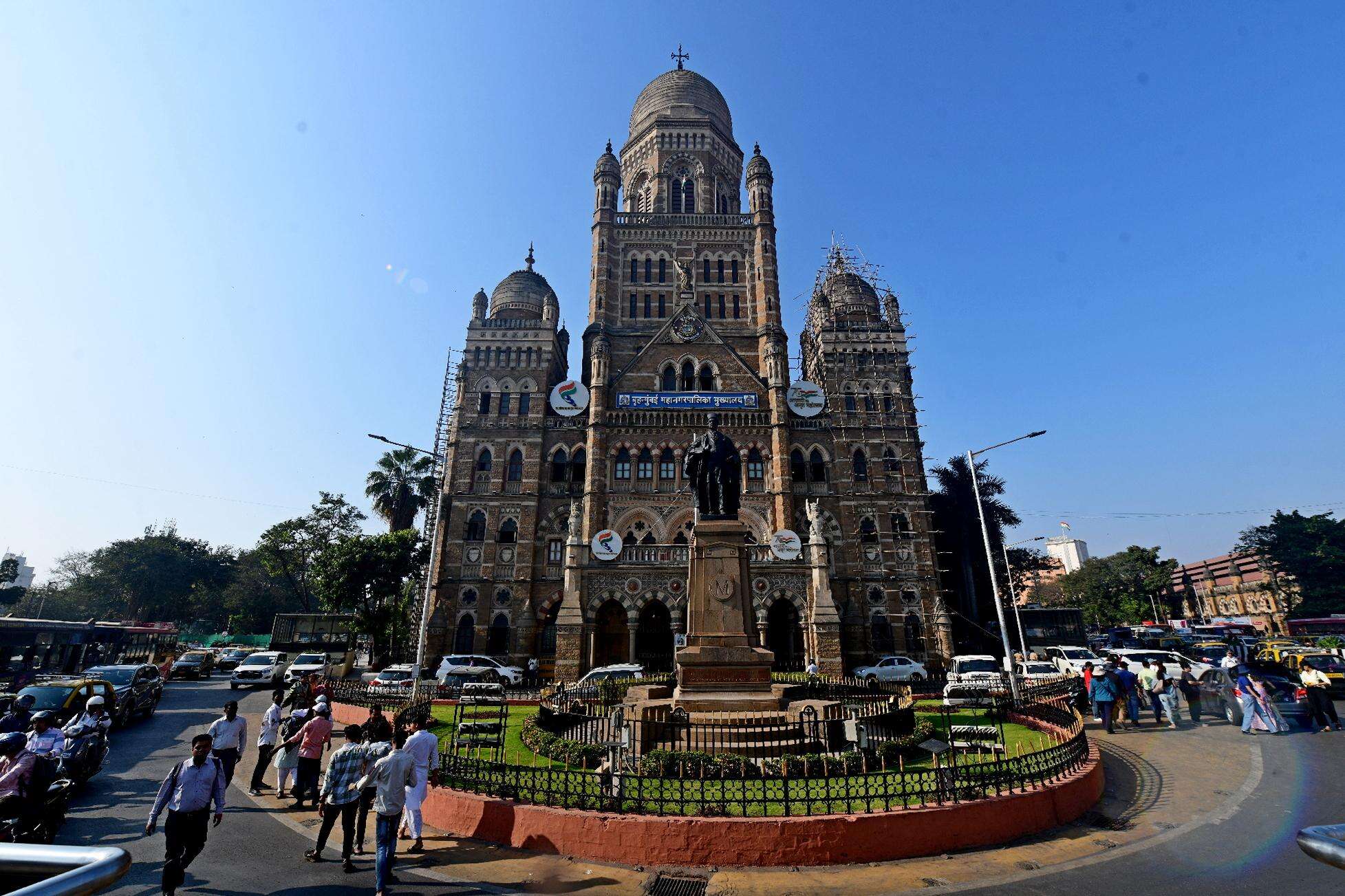
The Brihanmumbai Municipal Corporation (BMC) has launched a decentralised waste processing mission in Mumbai, aiming to promote efficient waste management across the city. As part of this initiative, the BMC is offering a property tax rebate of up to 15% to housing societies that adopt decentralised waste processing systems.
This move is expected to encourage housing societies to take responsibility for managing their own waste, reducing the burden on the city's waste management infrastructure. The decentralised waste processing systems will enable housing societies to process their waste within their premises, thereby reducing the amount of waste sent to landfills.
The BMC has identified several benefits of decentralised waste processing, including reduced transportation costs, decreased greenhouse gas emissions, and improved waste management efficiency. Housing societies that participate in this initiative will not only contribute to a cleaner and healthier environment but also benefit from the property tax rebate.
To be eligible for the rebate, housing societies will need to install and operate decentralised waste processing systems, such as composting or recycling facilities, within their premises. The BMC will provide technical guidance and support to help housing societies implement these systems.
The decentralised waste processing mission is part of the BMC's broader efforts to improve waste management in Mumbai. The city generates approximately 9,000 tonnes of waste per day, and the BMC is working to reduce this amount through various initiatives, including waste reduction, recycling, and composting.
The BMC's initiative has been welcomed by housing societies and environmental groups, who see it as a positive step towards improving waste management in Mumbai. With the property tax rebate serving as an incentive, many housing societies are expected to participate in this initiative, contributing to a cleaner and more sustainable environment for the city's residents.
The success of this initiative will depend on the participation and cooperation of housing societies, as well as the effectiveness of the decentralised waste processing systems. If successful, this initiative could serve as a model for other cities in India, promoting efficient waste management and sustainable development.
In the long run, the decentralised waste processing mission is expected to have a significant impact on the environment and public health in Mumbai. By reducing the amount of waste sent to landfills and promoting recycling and composting, this initiative will help to mitigate the environmental and health risks associated with improper waste management.
Overall, the BMC's decentralised waste processing mission is a positive step towards improving waste management in Mumbai, and the property tax rebate serves as a welcome incentive for housing societies to participate in this initiative.
Frequently asked questions
What is the decentralised waste processing mission?
The decentralised waste processing mission is an initiative launched by the BMC to promote efficient waste management across Mumbai, offering a property tax rebate to housing societies that adopt decentralised waste processing systems.
How much property tax rebate can housing societies get?
Housing societies can get up to 15% property tax rebate for adopting decentralised waste processing systems.