Supreme Court Rejects Ban on Jagannath Movie
SC backs creative liberty, rejects plea to ban animated film on Mahaprabhu Jagannath. Artists' freedom upheld. Tolerance for depicting deities emphasized.
'%3E%3Crect%20width%3D'96'%20height%3D'96'%20fill%3D'%23C2185B'%2F%3E%3Ccircle%20cx%3D'30'%20cy%3D'24'%20r%3D'44'%20fill%3D'%23fff'%20opacity%3D'.12'%2F%3E%3Ccircle%20cx%3D'60'%20cy%3D'74'%20r%3D'40'%20fill%3D'%23000'%20opacity%3D'.10'%2F%3E%3C%2Fg%3E%3Cpath%20fill%3D'%23fff'%20d%3D'M48%2031%20l4.6%2010.2%2011.2%201%20-8.4%207.5%202.5%2011%20-9.9%20-5.8%20-9.9%205.8%202.5%20-11%20-8.4%20-7.5%2011.2%20-1%20z'%2F%3E%3C%2Fsvg%3E)
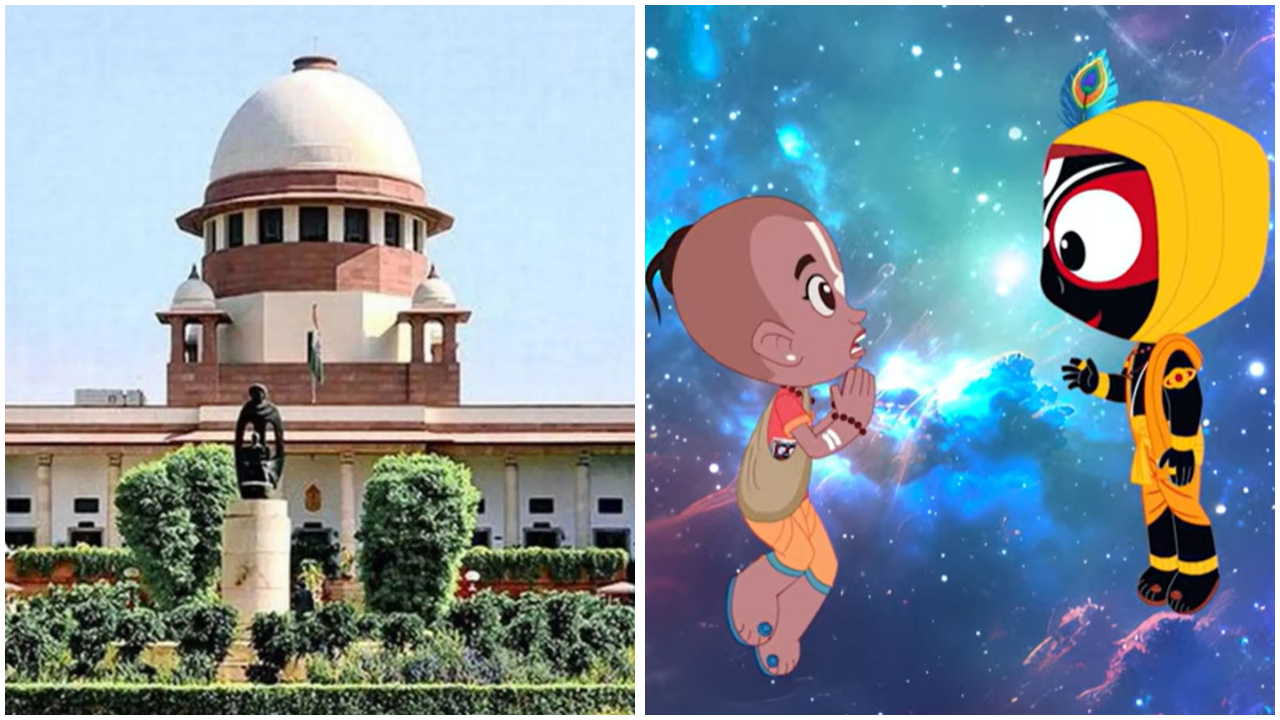
The Supreme Court has rejected a plea to ban an animated film on Mahaprabhu Jagannath, emphasizing the importance of artistic creative liberty. In its ruling, the court stated that artists must be allowed to enjoy freedom of expression and that tolerance is necessary for depicting deities in various forms of media.
The plea had sought to ban the film, citing objections to its depiction of the deity. However, the court noted that the Censor Board had already approved the film, and therefore, no judicial interference was needed. The justices also observed that preventing such depictions would have a chilling effect on many religious television programs and other forms of artistic expression.
The court's decision is a significant victory for artists and filmmakers, who often face challenges and objections to their work. The ruling emphasizes the importance of creative freedom and the need for tolerance in a diverse and pluralistic society. By rejecting the plea to ban the film, the court has upheld the principles of artistic expression and the freedom to depict deities in various forms of media.
The Supreme Court's decision is also a reminder that the Censor Board's approval is a crucial aspect of the film certification process. The board's role is to ensure that films comply with certain guidelines and standards, and its approval is a necessary step before a film can be released.
In recent years, there have been several instances of films and other forms of artistic expression facing objections and challenges from various groups. The Supreme Court's decision in this case is a significant step forward in upholding the principles of creative freedom and artistic expression.
The court's emphasis on tolerance and the need to allow artists to depict deities in various forms of media is also noteworthy. In a diverse and pluralistic society like India, it is essential to have a tolerant and open-minded approach to artistic expression. By rejecting the plea to ban the film, the court has sent a strong message in favor of creative freedom and artistic expression.
The decision is likely to have significant implications for the film industry and other forms of artistic expression. It is a reminder that artistic creativity and freedom of expression are essential aspects of a democratic society, and that they must be protected and upheld at all costs.
In conclusion, the Supreme Court's decision to reject the plea to ban the animated film on Mahaprabhu Jagannath is a significant victory for artistic freedom and creative expression. The ruling emphasizes the importance of tolerance and the need to allow artists to depict deities in various forms of media, and it is a reminder that the Censor Board's approval is a crucial aspect of the film certification process.
Frequently asked questions
Why did the Supreme Court reject the plea to ban the Jagannath movie?
The Supreme Court rejected the plea because it believed that artists must be allowed to enjoy creative liberty and that tolerance is necessary for depicting deities in various forms of media.
What is the significance of the Censor Board's approval in this case?
The Censor Board's approval is significant because it means that the film has complied with certain guidelines and standards, and therefore, no judicial interference is needed.