King Ratsnake Genome Mapped
Scientists map genome of snake that eats cobras and vipers.
'%3E%3Crect%20width%3D'96'%20height%3D'96'%20fill%3D'%23B3261E'%2F%3E%3Ccircle%20cx%3D'30'%20cy%3D'24'%20r%3D'44'%20fill%3D'%23fff'%20opacity%3D'.12'%2F%3E%3Ccircle%20cx%3D'60'%20cy%3D'74'%20r%3D'40'%20fill%3D'%23000'%20opacity%3D'.10'%2F%3E%3C%2Fg%3E%3Cg%20fill%3D'%23fff'%3E%3Crect%20x%3D'29'%20y%3D'49'%20width%3D'8'%20height%3D'19'%20rx%3D'1'%2F%3E%3Crect%20x%3D'39'%20y%3D'40'%20width%3D'9'%20height%3D'28'%20rx%3D'1'%2F%3E%3Crect%20x%3D'50'%20y%3D'45'%20width%3D'8'%20height%3D'23'%20rx%3D'1'%2F%3E%3Crect%20x%3D'60'%20y%3D'53'%20width%3D'7'%20height%3D'15'%20rx%3D'1'%2F%3E%3Crect%20x%3D'41'%20y%3D'34'%20width%3D'5'%20height%3D'6'%2F%3E%3C%2Fg%3E%3C%2Fsvg%3E)
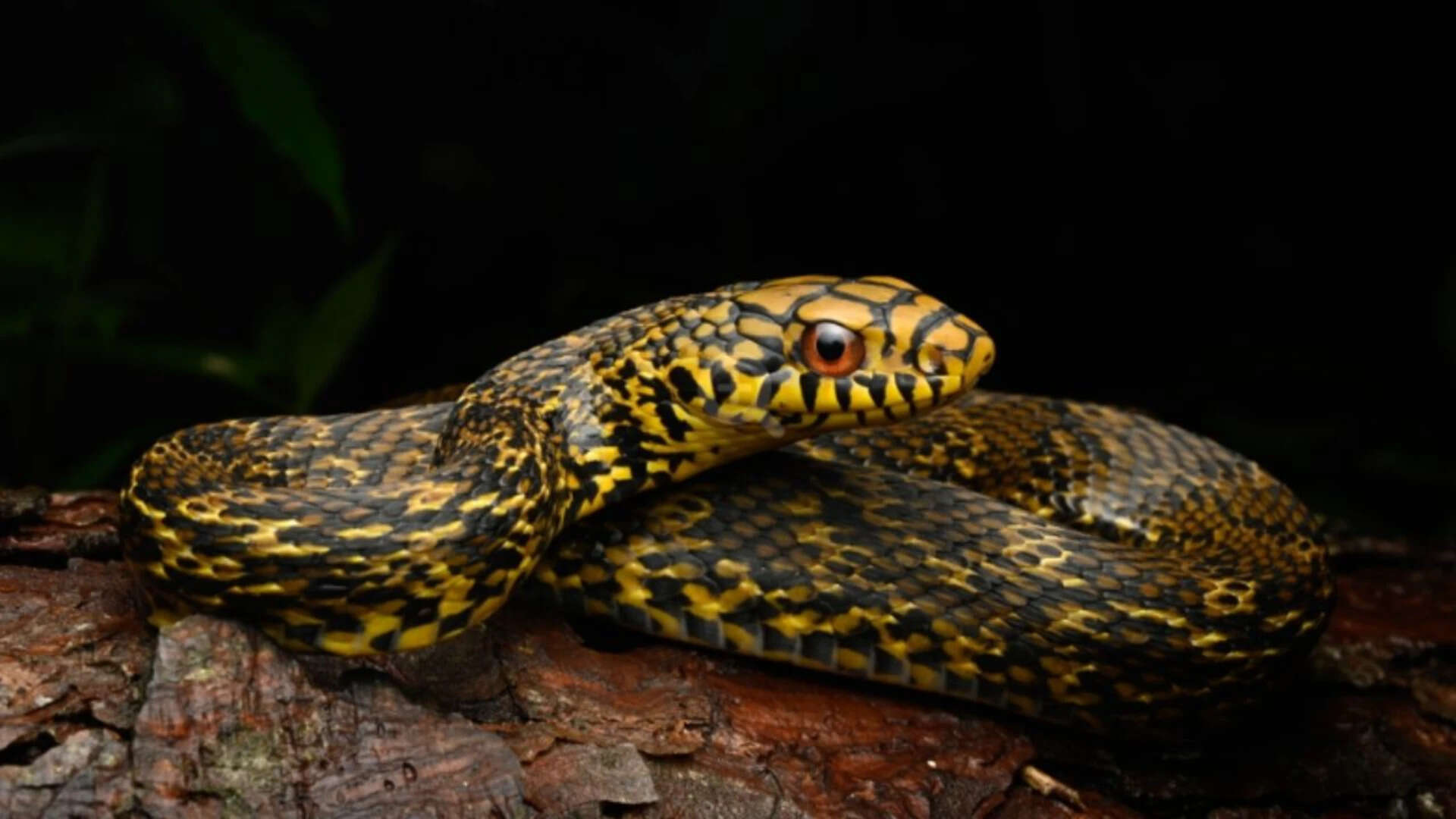
Scientists have successfully mapped the genome of the king ratsnake, a nonvenomous species known for its unique ability to hunt and eat deadly venomous snakes such as cobras and vipers. This breakthrough was achieved through the creation of a chromosome-level genome, which will enable researchers to investigate the genetic factors that contribute to the snake's natural resistance to venom.
The king ratsnake's ability to consume venomous snakes without succumbing to their venom has long fascinated scientists. By studying the snake's genome, researchers hope to gain a deeper understanding of the genetic mechanisms that underlie its venom resistance. This knowledge could have significant implications for the development of more effective antivenom therapies.
The study of the king ratsnake's genome is also expected to provide valuable insights into the evolution of snakes and the development of venom resistance. By comparing the king ratsnake's genome to those of other snake species, researchers may be able to identify the specific genetic factors that have enabled the king ratsnake to thrive in environments where venomous snakes are prevalent.
The mapping of the king ratsnake's genome is a significant achievement that could have far-reaching consequences for our understanding of snake biology and the development of new treatments for snake bites. As researchers continue to study the king ratsnake's genome, they may uncover new clues about the complex relationships between snakes, their venom, and their environments.
The king ratsnake is found in a variety of habitats, including forests, grasslands, and wetlands, and is native to several countries in Asia. Its ability to eat venomous snakes has made it a valuable component of its ecosystem, helping to regulate the populations of deadly snake species.
The study of the king ratsnake's genome is part of a broader effort to understand the biology of snakes and the complex relationships between species in ecosystems. By exploring the genetic factors that underlie the king ratsnake's unique abilities, researchers may be able to develop new strategies for managing snake populations and reducing the risk of snake bites.
In conclusion, the mapping of the king ratsnake's genome is a significant breakthrough that could have important implications for our understanding of snake biology and the development of new treatments for snake bites. As researchers continue to study the king ratsnake's genome, they may uncover new clues about the complex relationships between snakes, their venom, and their environments.
The findings of this study could also contribute to the development of more effective antivenom therapies, which could save countless lives in regions where snake bites are common. Furthermore, the study of the king ratsnake's genome could provide valuable insights into the evolution of snakes and the development of venom resistance, shedding new light on the complex and fascinating world of snake biology.
Overall, the mapping of the king ratsnake's genome is an exciting development that could have far-reaching consequences for our understanding of snake biology and the development of new treatments for snake bites.
Frequently asked questions
What is the king ratsnake known for?
The king ratsnake is known for eating deadly venomous snakes such as cobras and vipers.
Why is the king ratsnake's genome important?
The king ratsnake's genome could provide insights into snake evolution, venom resistance, and support future research into better antivenom therapies.