6% of Differently Abled Use Public Transport in Maharashtra
Low accessibility, digital exclusion, and lack of awareness hinder opportunities.
'%3E%3Crect%20width%3D'96'%20height%3D'96'%20fill%3D'%23B3261E'%2F%3E%3Ccircle%20cx%3D'30'%20cy%3D'24'%20r%3D'44'%20fill%3D'%23fff'%20opacity%3D'.12'%2F%3E%3Ccircle%20cx%3D'60'%20cy%3D'74'%20r%3D'40'%20fill%3D'%23000'%20opacity%3D'.10'%2F%3E%3C%2Fg%3E%3Cg%20fill%3D'%23fff'%3E%3Crect%20x%3D'29'%20y%3D'49'%20width%3D'8'%20height%3D'19'%20rx%3D'1'%2F%3E%3Crect%20x%3D'39'%20y%3D'40'%20width%3D'9'%20height%3D'28'%20rx%3D'1'%2F%3E%3Crect%20x%3D'50'%20y%3D'45'%20width%3D'8'%20height%3D'23'%20rx%3D'1'%2F%3E%3Crect%20x%3D'60'%20y%3D'53'%20width%3D'7'%20height%3D'15'%20rx%3D'1'%2F%3E%3Crect%20x%3D'41'%20y%3D'34'%20width%3D'5'%20height%3D'6'%2F%3E%3C%2Fg%3E%3C%2Fsvg%3E)
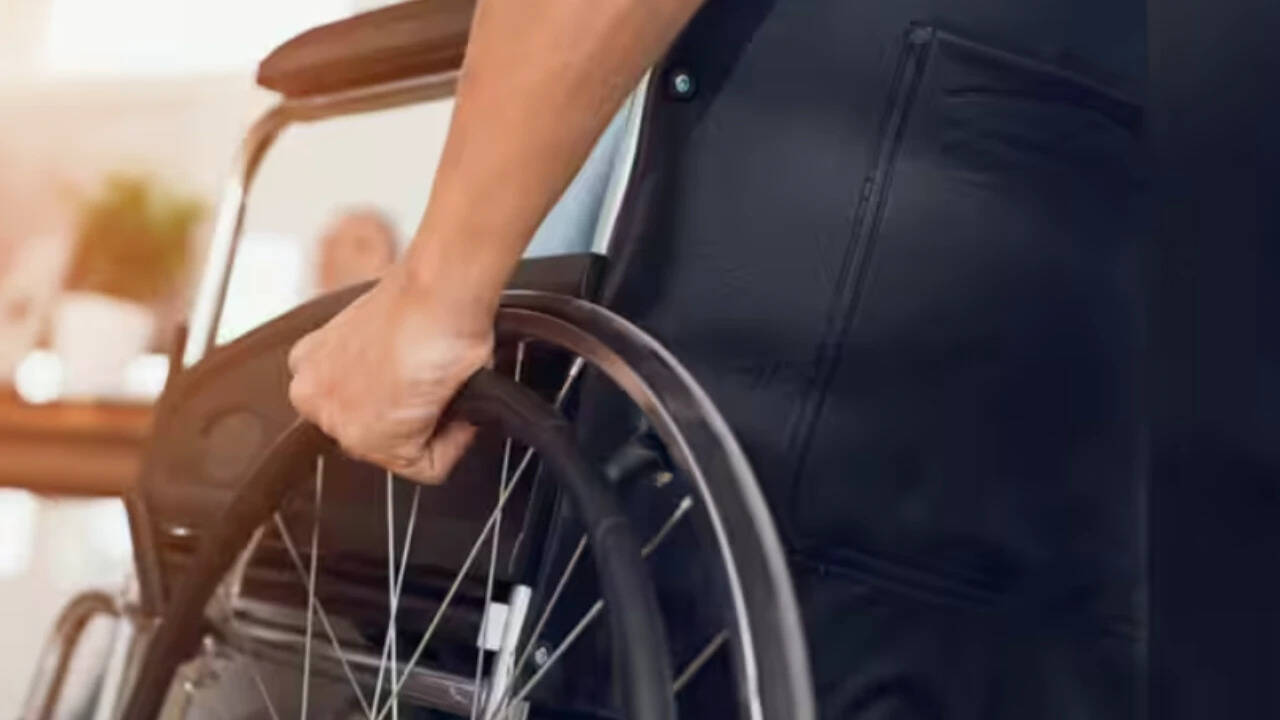
In Maharashtra, a mere 6% of people with disabilities are able to use public transport, revealing a significant accessibility crisis in the state. This issue is further complicated by the challenges of digital and economic exclusion, which result in limited employment opportunities for individuals with disabilities.
The lack of awareness about their legal rights is another major hurdle, with over 50% of disabled individuals being unaware of the protections and provisions that are available to them. This lack of knowledge can lead to further marginalization and exclusion from society.
Healthcare access is also a significant issue, with high costs and delays in obtaining necessary certifications and treatments hindering the ability of people with disabilities to receive the medical care they need. This can have serious consequences for their health and wellbeing.
The issue of accessibility is not limited to public transport, but also extends to other areas such as education, employment, and healthcare. The lack of accessible infrastructure and facilities can make it difficult for people with disabilities to participate fully in society and to access the opportunities and services that they need.
In order to address this crisis, it is essential that the government and other stakeholders take steps to improve accessibility and to promote the inclusion of people with disabilities. This can include measures such as providing accessible public transport, improving healthcare access, and increasing awareness about the legal rights of people with disabilities.
The situation in Maharashtra is reflective of a broader issue that exists across India, where people with disabilities often face significant barriers to accessing education, employment, and healthcare. Addressing this issue will require a concerted effort from governments, NGOs, and other stakeholders to promote the inclusion and empowerment of people with disabilities.
Ultimately, the goal should be to create a society that is inclusive and accessible to all, where people with disabilities are able to participate fully and to access the opportunities and services that they need to thrive. This will require a fundamental shift in the way that society approaches disability, from one of exclusion and marginalization to one of inclusion and empowerment.
The Maharashtra government has a critical role to play in addressing the accessibility crisis and promoting the inclusion of people with disabilities. This can include measures such as investing in accessible infrastructure, providing training and support for people with disabilities, and increasing awareness about the legal rights and protections that are available to them.
By taking these steps, it is possible to create a more inclusive and accessible society, where people with disabilities are able to participate fully and to access the opportunities and services that they need to thrive.
Frequently asked questions
What percentage of people with disabilities in Maharashtra can use public transport?
Only 6% of people with disabilities in Maharashtra can use public transport.
What is a major challenge faced by people with disabilities in Maharashtra?
One of the major challenges faced by people with disabilities in Maharashtra is the lack of awareness about their legal rights, with over 50% being unaware of the protections and provisions available to them.