Mumbai Autos, Taxis Face Marathi Rule Debate
Rival Senas clash over Marathi rule, BJP and Congress express concerns
'%3E%3Crect%20width%3D'96'%20height%3D'96'%20fill%3D'%23B3261E'%2F%3E%3Ccircle%20cx%3D'30'%20cy%3D'24'%20r%3D'44'%20fill%3D'%23fff'%20opacity%3D'.12'%2F%3E%3Ccircle%20cx%3D'60'%20cy%3D'74'%20r%3D'40'%20fill%3D'%23000'%20opacity%3D'.10'%2F%3E%3C%2Fg%3E%3Cg%20fill%3D'%23fff'%3E%3Crect%20x%3D'29'%20y%3D'49'%20width%3D'8'%20height%3D'19'%20rx%3D'1'%2F%3E%3Crect%20x%3D'39'%20y%3D'40'%20width%3D'9'%20height%3D'28'%20rx%3D'1'%2F%3E%3Crect%20x%3D'50'%20y%3D'45'%20width%3D'8'%20height%3D'23'%20rx%3D'1'%2F%3E%3Crect%20x%3D'60'%20y%3D'53'%20width%3D'7'%20height%3D'15'%20rx%3D'1'%2F%3E%3Crect%20x%3D'41'%20y%3D'34'%20width%3D'5'%20height%3D'6'%2F%3E%3C%2Fg%3E%3C%2Fsvg%3E)
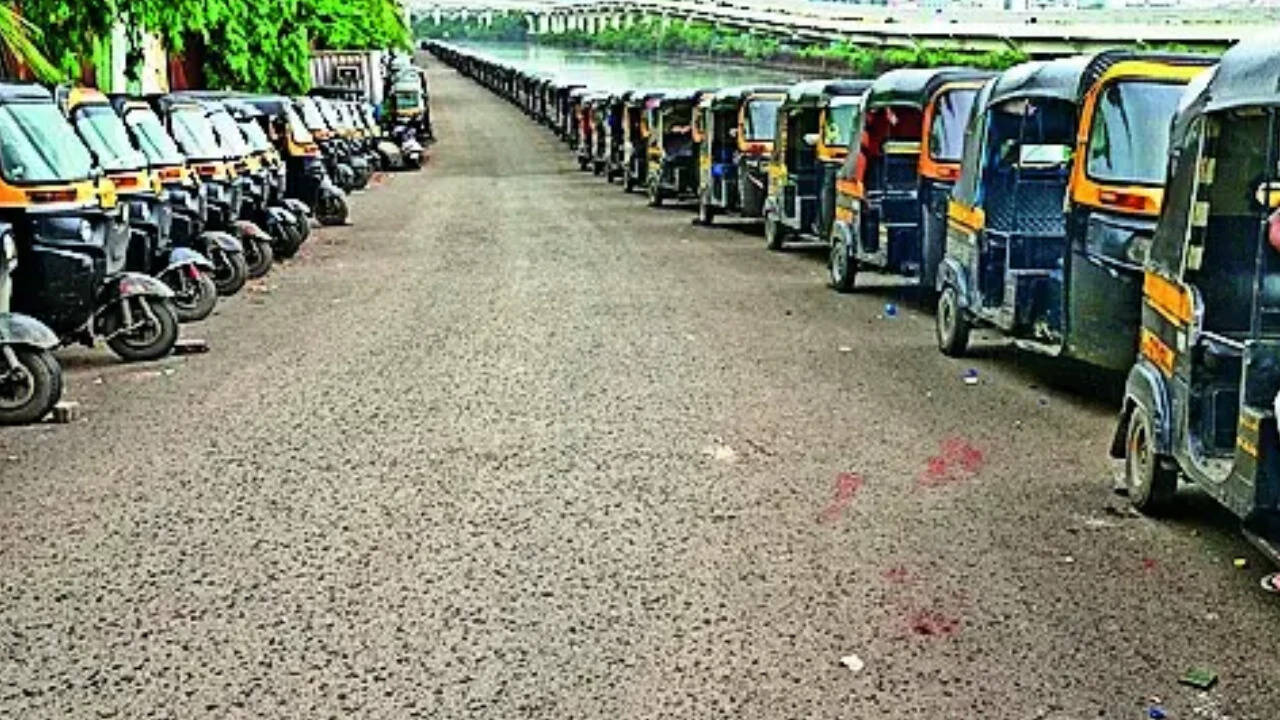
Mumbai's auto and taxi drivers are at the center of a new political debate, as the Shinde Sena's proposal to enforce a Marathi language rule sparks opposition from the Sena (UBT) and its allies. The rule, which aims to prioritize Marathi-speaking drivers, has raised concerns among the BJP, which fears it may impact its supporter base of migrant drivers who may not speak Marathi fluently.
The BJP has expressed concern over the potential consequences of the rule, citing the large number of migrant drivers who work in Mumbai's auto and taxi sector. The party fears that the rule may lead to job losses and instability in the sector. The Congress party has also opposed the strict enforcement of the Marathi rule, citing concerns over job security for drivers who may not speak Marathi.
The two rival Senas, Shinde Sena and Sena (UBT), are vying for the support of Marathi voters through this debate. The Shinde Sena sees the Marathi rule as a way to appease its core constituency, while the Sena (UBT) is opposing the rule, claiming it is unfair to non-Marathi speaking drivers.
The auto and taxi driver sector in Mumbai is a significant one, with thousands of drivers relying on it for their livelihood. The sector is also a major employer of migrant workers, who come to Mumbai from other parts of the country in search of work. The debate over the Marathi rule has sparked concerns over the potential impact on these workers, who may not speak Marathi fluently.
The Mumbai auto and taxi sector has long been a contentious issue, with drivers and operators often clashing with the government over issues such as fare hikes and regulations. The latest debate over the Marathi rule has added a new layer of complexity to the issue, with political parties weighing in on the matter.
The Shinde Sena's proposal to enforce the Marathi rule is seen as a move to consolidate its support base among Marathi voters. However, the opposition from the Sena (UBT) and other parties has raised questions over the viability of the rule. As the debate continues, it remains to be seen how the issue will be resolved and what impact it will have on Mumbai's auto and taxi drivers.
The controversy surrounding the Marathi rule has also highlighted the larger issue of language and identity in Mumbai. The city is a melting pot of cultures and languages, and the debate over the Marathi rule has sparked concerns over the potential marginalization of non-Marathi speaking communities.
In conclusion, the debate over the Marathi rule for auto and taxi drivers in Mumbai has become a major political issue, with rival Senas and other parties weighing in on the matter. As the issue continues to unfold, it remains to be seen how it will impact the city's auto and taxi sector and the larger political landscape of Mumbai.
Frequently asked questions
What is the Marathi rule proposed by the Shinde Sena?
The Marathi rule proposes to prioritize Marathi-speaking drivers in Mumbai's auto and taxi sector.
Why are the BJP and Congress opposing the Marathi rule?
The BJP and Congress are opposing the rule due to concerns over job security and potential impact on migrant drivers who may not speak Marathi fluently.