Ghosting Explained by Attachment Styles
Ghosting affects many, but why does it happen? Attachment styles may hold the key.
'%3E%3Crect%20width%3D'96'%20height%3D'96'%20fill%3D'%23B3261E'%2F%3E%3Ccircle%20cx%3D'30'%20cy%3D'24'%20r%3D'44'%20fill%3D'%23fff'%20opacity%3D'.12'%2F%3E%3Ccircle%20cx%3D'60'%20cy%3D'74'%20r%3D'40'%20fill%3D'%23000'%20opacity%3D'.10'%2F%3E%3C%2Fg%3E%3Cg%20fill%3D'%23fff'%3E%3Crect%20x%3D'29'%20y%3D'49'%20width%3D'8'%20height%3D'19'%20rx%3D'1'%2F%3E%3Crect%20x%3D'39'%20y%3D'40'%20width%3D'9'%20height%3D'28'%20rx%3D'1'%2F%3E%3Crect%20x%3D'50'%20y%3D'45'%20width%3D'8'%20height%3D'23'%20rx%3D'1'%2F%3E%3Crect%20x%3D'60'%20y%3D'53'%20width%3D'7'%20height%3D'15'%20rx%3D'1'%2F%3E%3Crect%20x%3D'41'%20y%3D'34'%20width%3D'5'%20height%3D'6'%2F%3E%3C%2Fg%3E%3C%2Fsvg%3E)
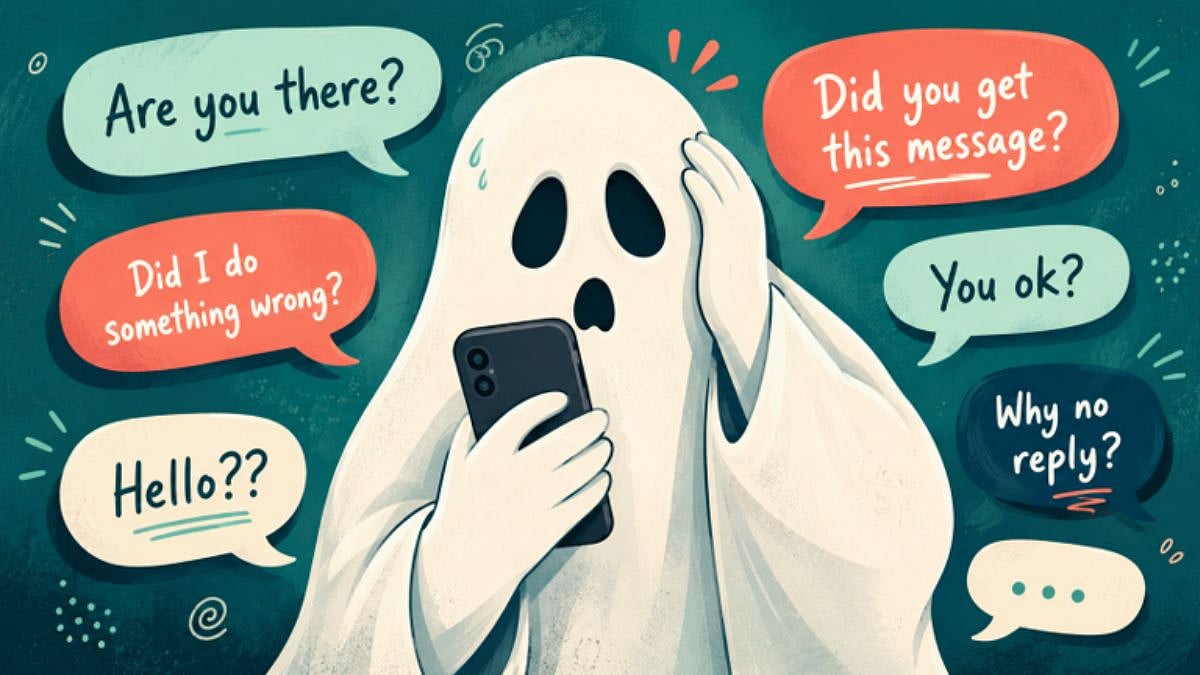
Mumbai residents have likely noticed the rise of 'ghosting' discussions on social media. Ghosting refers to the sudden cessation of communication without warning, leaving the other person confused and hurt. To understand this phenomenon, it's essential to explore attachment styles, which are patterns of forming bonds and responding in close relationships.
According to Ms. Sulagna Mondal, a clinical psychologist at BetterPlace Health, attachment styles are shaped by early interactions with primary caregivers and continue to influence adult relationships. There are four main attachment styles: secure, anxious, avoidant, and disorganised. Each style affects how individuals form and maintain relationships, including their propensity to ghost or be ghosted.
Securely attached individuals openly express their emotions and are comfortable with dependence. They rarely ghost others, instead preferring to communicate and find solutions. On the other hand, those with anxious attachment styles fear abandonment and seek reassurance, making them less likely to initiate ghosting but more likely to be devastated if ghosted.
Individuals with avoidant attachment styles tend to pull away from emotional closeness and may ghost others to avoid uncomfortable conversations. Disorganised attachment styles exhibit both anxious and avoidant traits, leading to a fear of rejection and a desire for closeness, which may result in ghosting to avoid risk.
Understanding attachment styles can help individuals make sense of their experiences and relationships. By recognising the underlying reasons for ghosting, people can develop more empathy and work towards building healthier relationships.
In the context of Mumbai's fast-paced and often emotionally charged social scene, understanding attachment styles can be particularly helpful. By being aware of their own attachment style and how it may impact their relationships, Mumbai residents can take steps towards more positive and fulfilling connections.
The rise of ghosting discussions on social media highlights the need for greater awareness and understanding of attachment styles. By exploring this concept, individuals can gain valuable insights into their own relationships and develop more effective strategies for building and maintaining meaningful connections.
In conclusion, ghosting is a complex issue that can be influenced by various factors, including attachment styles. By understanding and recognising these styles, individuals can work towards creating more positive and healthy relationships.
The significance of this topic lies in its ability to help individuals navigate the complexities of relationships and develop more empathy and understanding for others. By acknowledging the role of attachment styles in ghosting, Mumbai residents can take the first step towards building more meaningful and fulfilling connections.
Frequently asked questions
What is ghosting in relationships?
Ghosting refers to the sudden cessation of communication without warning, leaving the other person confused and hurt.
How do attachment styles affect ghosting?
Attachment styles, such as secure, anxious, avoidant, and disorganised, can influence an individual's propensity to ghost or be ghosted.