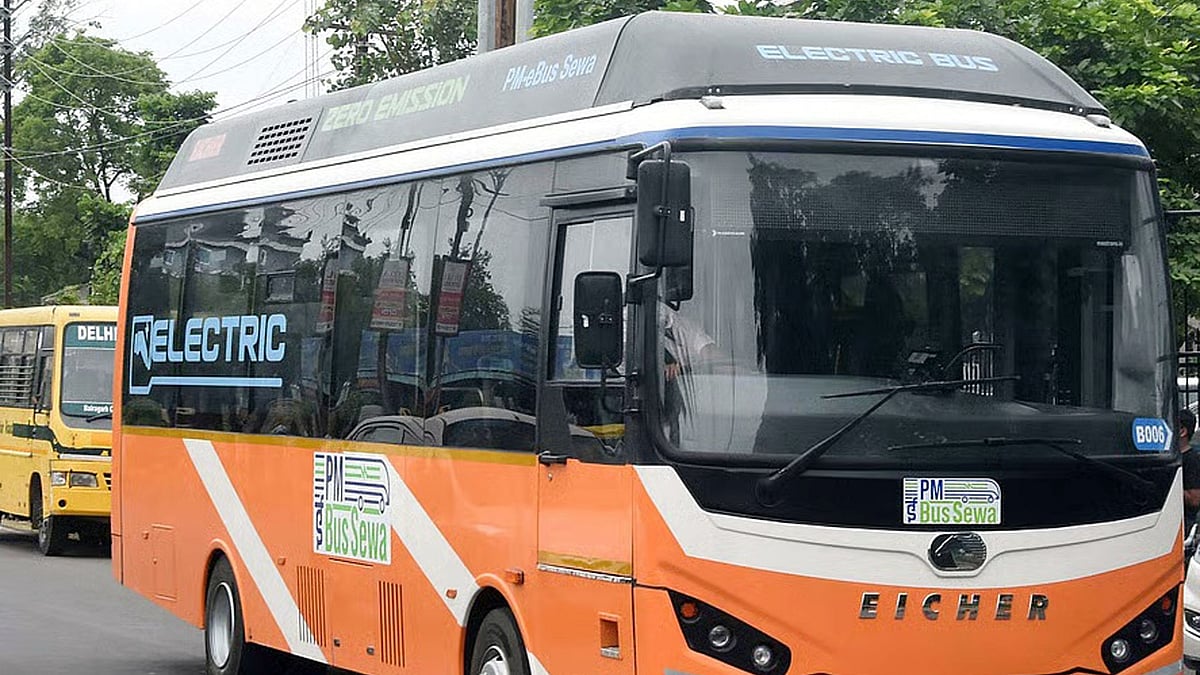
Centre Eases Emission Testing for Automakers
Automakers get relief as Centre proposes easier emission testing. Reduced testing frequency to improve ease of doing business.
'%3E%3Crect%20width%3D'96'%20height%3D'96'%20fill%3D'%23B3261E'%2F%3E%3Ccircle%20cx%3D'30'%20cy%3D'24'%20r%3D'44'%20fill%3D'%23fff'%20opacity%3D'.12'%2F%3E%3Ccircle%20cx%3D'60'%20cy%3D'74'%20r%3D'40'%20fill%3D'%23000'%20opacity%3D'.10'%2F%3E%3C%2Fg%3E%3Cg%20fill%3D'%23fff'%3E%3Crect%20x%3D'29'%20y%3D'49'%20width%3D'8'%20height%3D'19'%20rx%3D'1'%2F%3E%3Crect%20x%3D'39'%20y%3D'40'%20width%3D'9'%20height%3D'28'%20rx%3D'1'%2F%3E%3Crect%20x%3D'50'%20y%3D'45'%20width%3D'8'%20height%3D'23'%20rx%3D'1'%2F%3E%3Crect%20x%3D'60'%20y%3D'53'%20width%3D'7'%20height%3D'15'%20rx%3D'1'%2F%3E%3Crect%20x%3D'41'%20y%3D'34'%20width%3D'5'%20height%3D'6'%2F%3E%3C%2Fg%3E%3C%2Fsvg%3E)
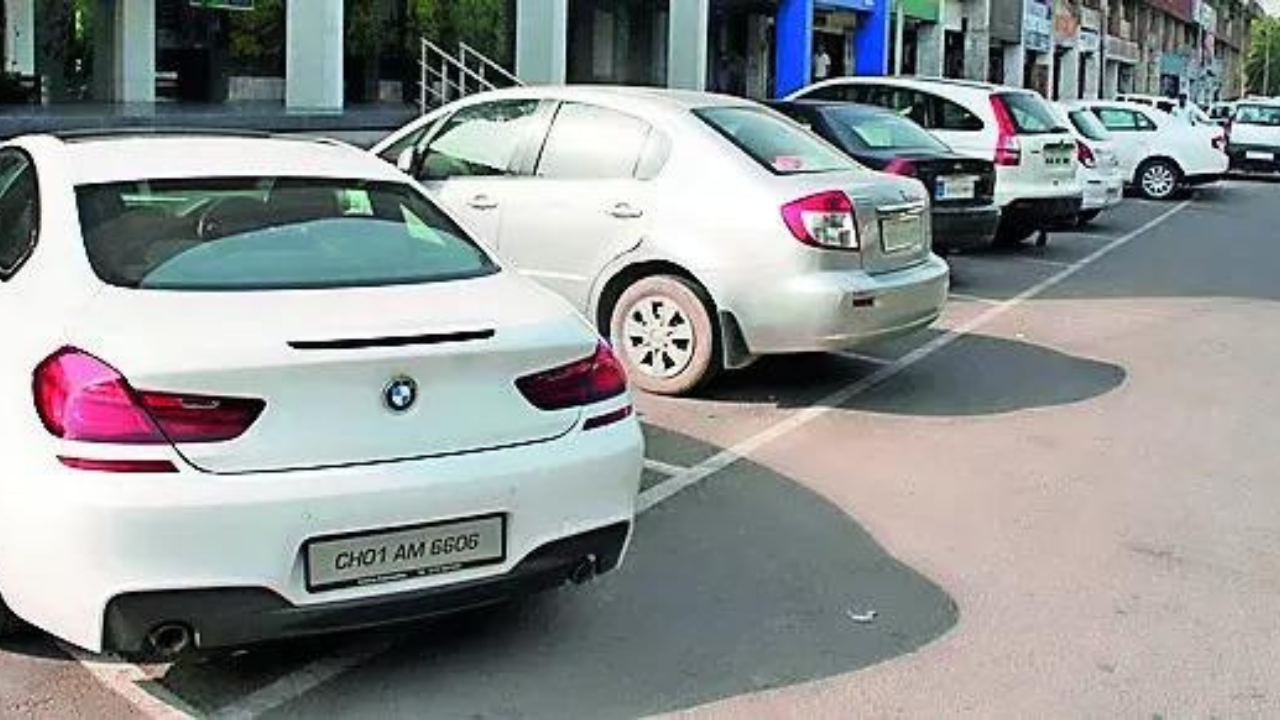
The Ministry of Road Transport has proposed changes to the emission compliance testing regime for vehicle manufacturers in India. As per the new proposal, new passenger cars and two-wheelers will be required to undergo emission compliance testing on an annual basis for a period of three years after their initial approval.
After the initial three-year period, the testing frequency for these vehicles will be reduced. On the other hand, larger vehicles will continue to undergo annual emission compliance testing as per the existing norms.
For existing vehicle models, the testing frequency will be reduced to once every three years. This move is expected to reduce the compliance burden on automakers and improve the ease of doing business in the sector.
The proposal is aimed at striking a balance between the need to ensure that vehicles meet emission standards and the need to reduce the regulatory burden on manufacturers. The road transport ministry has been working to simplify and streamline the regulatory framework for the automotive sector.
The automotive industry has been facing significant challenges in recent years, including the transition to newer emission norms and the impact of the COVID-19 pandemic. The proposed changes to the emission testing regime are expected to provide some relief to automakers and help them to focus on other aspects of their business.
The ease of doing business has been a key focus area for the government, and the proposed changes to the emission testing regime are expected to contribute to this effort. By reducing the compliance burden on automakers, the government hopes to encourage investment and growth in the sector.
The proposal is also expected to have a positive impact on the environment, as it will help to ensure that vehicles meet emission standards and reduce pollution. The government has been working to reduce pollution and improve air quality in cities across the country, and the proposed changes to the emission testing regime are expected to contribute to this effort.
Overall, the proposed changes to the emission testing regime are expected to have a positive impact on the automotive sector and the environment. The move is expected to reduce the compliance burden on automakers, improve the ease of doing business, and help to ensure that vehicles meet emission standards.
The automotive sector is a significant contributor to the Indian economy, and the proposed changes to the emission testing regime are expected to have a positive impact on the sector's growth and development. The government's efforts to simplify and streamline the regulatory framework for the sector are expected to encourage investment and growth, and help to make India a more attractive destination for automotive manufacturers.
In conclusion, the Centre's proposal to ease emission testing for automakers is a welcome move that is expected to have a positive impact on the sector and the environment. The move is expected to reduce the compliance burden on automakers, improve the ease of doing business, and help to ensure that vehicles meet emission standards.
Frequently asked questions
What is the proposed change to emission testing for new passenger cars and two-wheelers?
New passenger cars and two-wheelers will undergo annual testing for three years after approval.
How will the proposed change affect existing vehicle models?
Existing vehicle models will see testing frequency reduced to once every three years.