Klamath River Salmon Reclaim 88% Range
Salmon regain historic range, dams removed, Klamath River
'%3E%3Crect%20width%3D'96'%20height%3D'96'%20fill%3D'%23B3261E'%2F%3E%3Ccircle%20cx%3D'30'%20cy%3D'24'%20r%3D'44'%20fill%3D'%23fff'%20opacity%3D'.12'%2F%3E%3Ccircle%20cx%3D'60'%20cy%3D'74'%20r%3D'40'%20fill%3D'%23000'%20opacity%3D'.10'%2F%3E%3C%2Fg%3E%3Cg%20fill%3D'%23fff'%3E%3Crect%20x%3D'29'%20y%3D'49'%20width%3D'8'%20height%3D'19'%20rx%3D'1'%2F%3E%3Crect%20x%3D'39'%20y%3D'40'%20width%3D'9'%20height%3D'28'%20rx%3D'1'%2F%3E%3Crect%20x%3D'50'%20y%3D'45'%20width%3D'8'%20height%3D'23'%20rx%3D'1'%2F%3E%3Crect%20x%3D'60'%20y%3D'53'%20width%3D'7'%20height%3D'15'%20rx%3D'1'%2F%3E%3Crect%20x%3D'41'%20y%3D'34'%20width%3D'5'%20height%3D'6'%2F%3E%3C%2Fg%3E%3C%2Fsvg%3E)
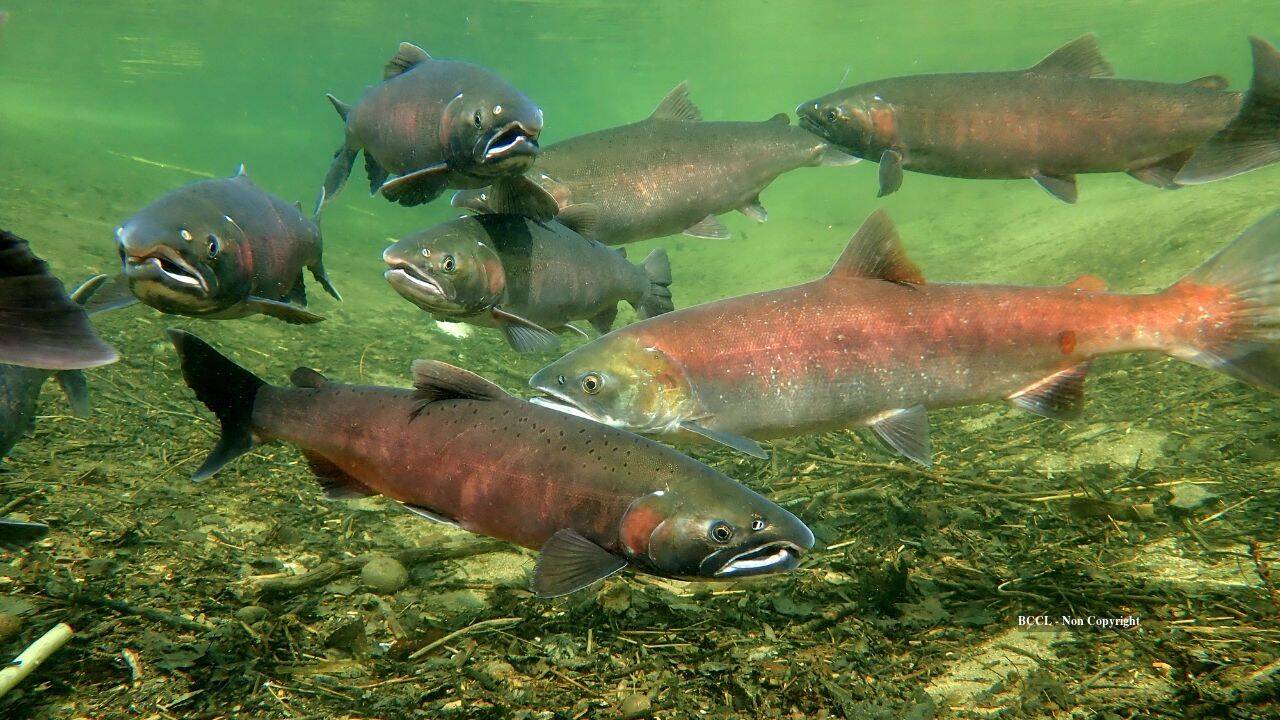
The Klamath River has seen a significant resurgence of salmon populations, with the species reclaiming 88% of its historic range. This development comes after the removal of dams along the river, which has allowed the salmon to migrate and thrive in areas that were previously inaccessible.
The removal of the dams has been a long-awaited and crucial step in the restoration of the Klamath River ecosystem. The dams had been a major obstacle for the salmon, blocking their migration paths and disrupting their natural habitats. With the dams gone, the salmon have been able to swim upstream and downstream, allowing them to reach their traditional spawning grounds and feeding areas.
The Klamath River is a vital waterway that flows through Oregon and California, and its salmon population has been a key part of the region's ecosystem and economy. The decline of the salmon population had significant impacts on the local environment and communities, including the loss of jobs and revenue from fishing and tourism.
The restoration of the Klamath River ecosystem is a complex and ongoing process, involving the collaboration of government agencies, local communities, and environmental organizations. The removal of the dams is a major milestone in this effort, and the rebound of the salmon population is a promising sign of the river's recovery.
The Klamath River's salmon population has been the subject of extensive research and conservation efforts, with scientists and experts working to understand the complex factors that affect the species' migration patterns, habitat needs, and population dynamics. The removal of the dams has provided a unique opportunity to study the river's ecosystem and the salmon population's response to the changes.
As the Klamath River continues to recover, it is likely to have significant benefits for the local environment and communities. The restoration of the river's ecosystem could lead to increased biodiversity, improved water quality, and enhanced recreational and economic opportunities.
The success of the Klamath River restoration project has important implications for other river ecosystems and conservation efforts around the world. It demonstrates the potential for large-scale ecosystem restoration and the importance of collaborative efforts to protect and preserve natural habitats.
In conclusion, the Klamath River salmon's reclaiming of 88% of their historic range is a significant achievement and a testament to the power of conservation efforts. As the river continues to recover, it is likely to have far-reaching benefits for the local environment and communities, and serve as a model for ecosystem restoration projects globally.
Frequently asked questions
What percentage of their historic range have Klamath River salmon reclaimed?
Klamath River salmon have reclaimed 88% of their historic range.
Why were the dams removed from the Klamath River?
The dams were removed to restore the Klamath River ecosystem and allow salmon to migrate and thrive in areas that were previously inaccessible.