RBI Warns Against Becoming Money Mules
RBI cautions against using bank accounts for illegal transfers. Serious legal trouble may follow.
'%3E%3Crect%20width%3D'96'%20height%3D'96'%20fill%3D'%23B3261E'%2F%3E%3Ccircle%20cx%3D'30'%20cy%3D'24'%20r%3D'44'%20fill%3D'%23fff'%20opacity%3D'.12'%2F%3E%3Ccircle%20cx%3D'60'%20cy%3D'74'%20r%3D'40'%20fill%3D'%23000'%20opacity%3D'.10'%2F%3E%3C%2Fg%3E%3Cg%20fill%3D'%23fff'%3E%3Crect%20x%3D'29'%20y%3D'49'%20width%3D'8'%20height%3D'19'%20rx%3D'1'%2F%3E%3Crect%20x%3D'39'%20y%3D'40'%20width%3D'9'%20height%3D'28'%20rx%3D'1'%2F%3E%3Crect%20x%3D'50'%20y%3D'45'%20width%3D'8'%20height%3D'23'%20rx%3D'1'%2F%3E%3Crect%20x%3D'60'%20y%3D'53'%20width%3D'7'%20height%3D'15'%20rx%3D'1'%2F%3E%3Crect%20x%3D'41'%20y%3D'34'%20width%3D'5'%20height%3D'6'%2F%3E%3C%2Fg%3E%3C%2Fsvg%3E)
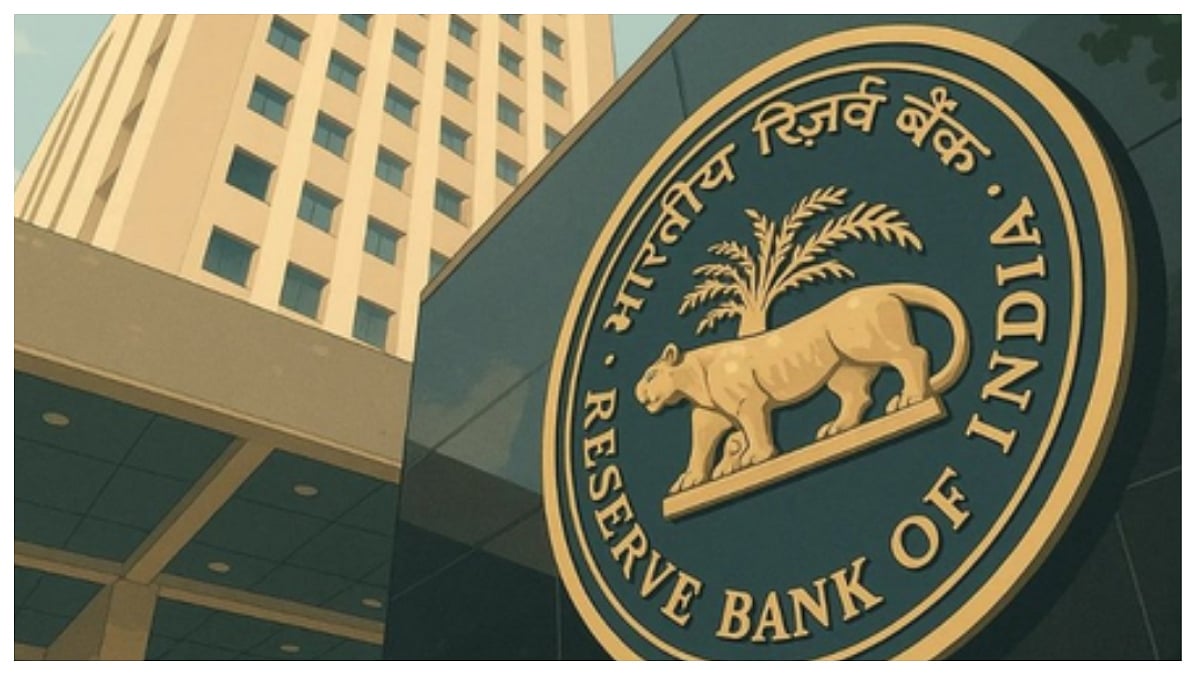
The Reserve Bank of India (RBI) has issued a warning to the public against allowing others to use their bank accounts for receiving or transferring money. This warning comes as a precaution against falling prey to fraudsters who promise easy cash in exchange for using one's bank account.
The RBI explains that a money mule is an individual who receives or transfers illegally obtained money on behalf of someone else. Fraudsters often use other people's bank accounts to conceal the source of stolen funds. They may contact potential victims through social media, messaging apps, emails, or phone calls, promising a commission or quick payment in return for using their bank account.
The modus operandi of these fraudsters typically involves sending money to the victim's account and asking them to forward it to another account. In some cases, the victim may be instructed to withdraw the amount in cash or transfer it through a digital payment app. Even if the victim is unaware that the money is linked to a crime, using their account in this manner can lead to investigation and serious legal consequences.
Bank accounts used for illegal transfers may be frozen by banks or investigating agencies, and the account holder may face police questioning, financial loss, or legal action. In severe cases, assisting criminals in moving illegal money can even result in imprisonment. The RBI emphasizes that a small commission is never worth the significant risk involved.
To protect themselves, the RBI advises individuals to keep their bank account details secret and never share their account number, debit card details, OTP, PIN, password, or internet banking information with anyone. It is also important to note that banks and RBI officials will never ask customers to reveal sensitive information such as passwords, PINs, or OTPs over a call, message, or email.
The RBI urges the public to stay alert and safe by not accepting money from unknown individuals or allowing others to operate their account. Suspicious messages or transactions should be reported to the bank immediately. More information on this topic is available on the RBI's awareness website, RBI Kehta Hai.
The RBI's message is clear: stay informed, remain alert, and protect your bank account. By being cautious and vigilant, individuals can avoid falling prey to these scams and prevent serious legal trouble.
The consequences of becoming a money mule can be severe, and it is essential to prioritize one's financial security and safety. The RBI's warning serves as a reminder to always be cautious when dealing with financial transactions and to never compromise on security.
In conclusion, the RBI's warning against becoming a money mule is a timely reminder to the public to be aware of the risks involved in using their bank accounts for illegal transfers. By staying informed and alert, individuals can protect themselves from falling prey to these scams and avoid serious legal consequences.
The RBI's efforts to raise awareness about this issue are commendable, and it is essential for the public to take heed of this warning and prioritize their financial security. By doing so, individuals can ensure their safety and avoid the risks associated with becoming a money mule.
The importance of staying vigilant and cautious when dealing with financial transactions cannot be overstated. The RBI's warning serves as a reminder to always prioritize security and to never compromise on safety. By doing so, individuals can protect themselves from falling prey to scams and avoid serious legal trouble.
In the end, it is crucial for the public to be aware of the risks involved in using their bank accounts for illegal transfers and to take necessary precautions to protect themselves. The RBI's warning is a step in the right direction, and it is essential for individuals to take heed of this warning and prioritize their financial security.
The RBI's awareness campaign is a commendable effort to educate the public about the risks associated with becoming a money mule. By raising awareness about this issue, the RBI aims to prevent individuals from falling prey to these scams and to promote financial security and safety.
In summary, the RBI's warning against becoming a money mule is a timely reminder to the public to be aware of the risks involved in using their bank accounts for illegal transfers. By staying informed and alert, individuals can protect themselves from falling prey to these scams and avoid serious legal consequences. It is essential for the public to prioritize their financial security and safety and to always be cautious when dealing with financial transactions.
The RBI's efforts to promote financial security and safety are commendable, and it is essential for the public to take heed of this warning and prioritize their financial security. By doing so, individuals can ensure their safety and avoid the risks associated with becoming a money mule.
In conclusion, the RBI's warning against becoming a money mule is a crucial reminder to the public to be aware of the risks involved in using their bank accounts for illegal transfers. By staying informed and alert, individuals can protect themselves from falling prey to these scams and avoid serious legal consequences. It is essential for the public to prioritize their financial security and safety and to always be cautious when dealing with financial transactions.
Frequently asked questions
What is a money mule?
A money mule is an individual who receives or transfers illegally obtained money on behalf of someone else.
How can I protect myself from becoming a money mule?
Keep your bank account details secret, never share sensitive information, and report suspicious transactions to your bank immediately.