India Develops Indigenous Signal System for High-Speed Trains
Indian Railways creates Bharat Train Control System, a made-in-India signal protocol for high-speed rail.
'%3E%3Crect%20width%3D'96'%20height%3D'96'%20fill%3D'%23B3261E'%2F%3E%3Ccircle%20cx%3D'30'%20cy%3D'24'%20r%3D'44'%20fill%3D'%23fff'%20opacity%3D'.12'%2F%3E%3Ccircle%20cx%3D'60'%20cy%3D'74'%20r%3D'40'%20fill%3D'%23000'%20opacity%3D'.10'%2F%3E%3C%2Fg%3E%3Cg%20fill%3D'%23fff'%3E%3Crect%20x%3D'29'%20y%3D'49'%20width%3D'8'%20height%3D'19'%20rx%3D'1'%2F%3E%3Crect%20x%3D'39'%20y%3D'40'%20width%3D'9'%20height%3D'28'%20rx%3D'1'%2F%3E%3Crect%20x%3D'50'%20y%3D'45'%20width%3D'8'%20height%3D'23'%20rx%3D'1'%2F%3E%3Crect%20x%3D'60'%20y%3D'53'%20width%3D'7'%20height%3D'15'%20rx%3D'1'%2F%3E%3Crect%20x%3D'41'%20y%3D'34'%20width%3D'5'%20height%3D'6'%2F%3E%3C%2Fg%3E%3C%2Fsvg%3E)
Indian Railways is taking a significant step towards self-reliance in its high-speed rail ambitions by developing an indigenous signalling protocol.
The Bharat Train Control System (BTCS) is being designed specifically to cater to Indian operating conditions, marking a crucial milestone in the country's push for indigenization of its rail infrastructure.
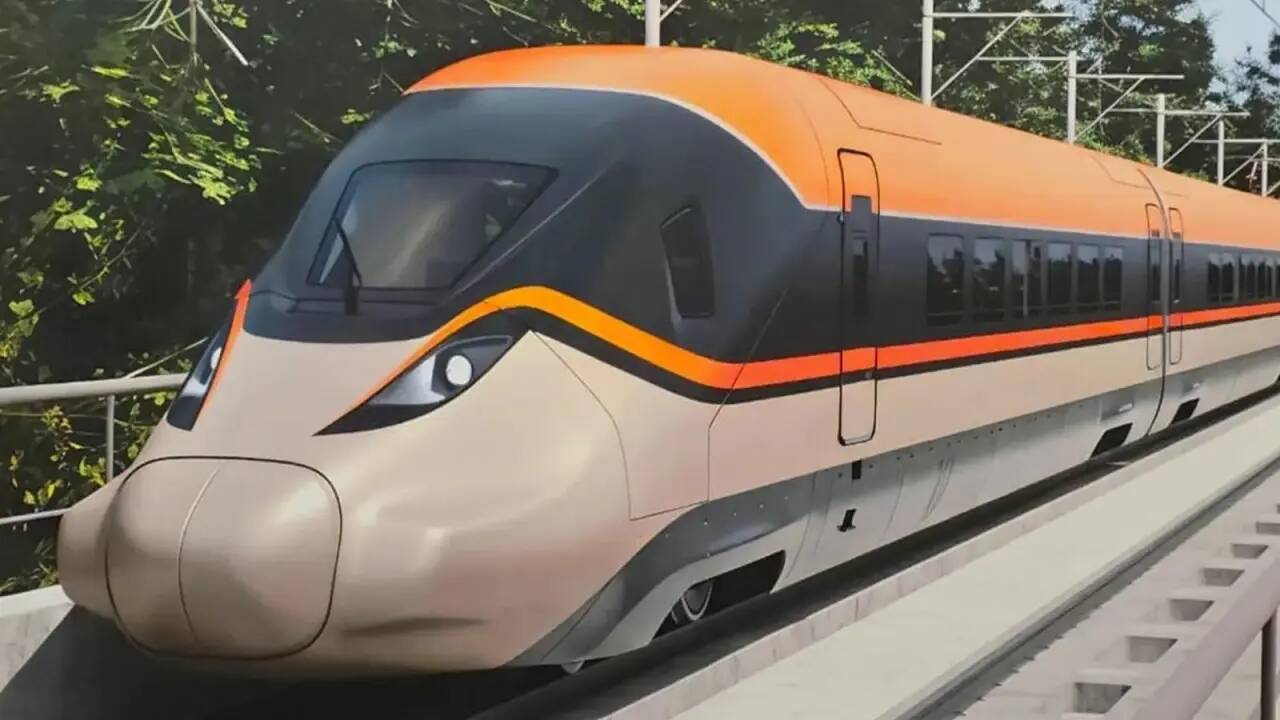
This development comes on the heels of India's foray into manufacturing its own bullet trains, underscoring the nation's commitment to reducing dependence on foreign technology. The BTCS is expected to play a pivotal role in the efficient operation of high-speed rail corridors, ensuring safety, punctuality, and optimal performance.
The Indian Railways' initiative to develop an indigenous signalling system is part of a broader strategy to enhance the country's rail network. By leveraging homegrown technology, the railways aim to not only reduce costs associated with importing foreign systems but also to foster innovation and expertise within the domestic industry.
High-speed rail corridors, once equipped with the BTCS, will benefit from advanced signalling capabilities that are tailored to the unique demands of Indian rail operations. This includes adapting to diverse environmental conditions, managing complex rail traffic, and ensuring seamless communication between trains and control centers.
The development of the BTCS also highlights India's growing capabilities in the rail technology sector. As the country continues to invest in its rail infrastructure, the importance of indigenous solutions like the BTCS will become increasingly evident. These solutions will not only contribute to the modernization of India's rail network but also pave the way for potential exports, bolstering the nation's position in the global rail technology market.
In the context of India's high-speed rail ambitions, the BTCS represents a significant step forward. With plans to expand its high-speed rail network, the availability of an indigenous signalling system will be crucial in supporting these endeavors. The success of the BTCS could also have implications for other sectors, demonstrating the potential for indigenization and self-reliance in various industries.
The development of an indigenous signal system for high-speed trains signifies a major achievement for Indian Railways and underscores the country's commitment to technological self-sufficiency. As India continues to push the boundaries of its rail capabilities, innovations like the BTCS will play a vital role in shaping the future of the nation's transportation infrastructure.
In conclusion, the Bharat Train Control System is a testament to India's growing prowess in rail technology and its determination to reduce dependence on foreign solutions. As the country moves forward with its high-speed rail projects, the BTCS is poised to become a cornerstone of its rail modernization efforts, contributing to a safer, more efficient, and more reliable rail network for the future.
Frequently asked questions
What is the Bharat Train Control System?
The Bharat Train Control System (BTCS) is an indigenous signalling protocol designed for high-speed rail in India.
Why is the BTCS important for Indian Railways?
The BTCS is important because it reduces India's dependence on foreign technology, enhances safety and efficiency, and supports the country's high-speed rail ambitions.