Assam Seeks Roadmap For Sustainable Tourism In Kaziranga
Assam Forest Minister meets stakeholders, seeks suggestions for conservation and tourism development
'%3E%3Crect%20width%3D'96'%20height%3D'96'%20fill%3D'%23B3261E'%2F%3E%3Ccircle%20cx%3D'30'%20cy%3D'24'%20r%3D'44'%20fill%3D'%23fff'%20opacity%3D'.12'%2F%3E%3Ccircle%20cx%3D'60'%20cy%3D'74'%20r%3D'40'%20fill%3D'%23000'%20opacity%3D'.10'%2F%3E%3C%2Fg%3E%3Cg%20fill%3D'%23fff'%3E%3Crect%20x%3D'29'%20y%3D'49'%20width%3D'8'%20height%3D'19'%20rx%3D'1'%2F%3E%3Crect%20x%3D'39'%20y%3D'40'%20width%3D'9'%20height%3D'28'%20rx%3D'1'%2F%3E%3Crect%20x%3D'50'%20y%3D'45'%20width%3D'8'%20height%3D'23'%20rx%3D'1'%2F%3E%3Crect%20x%3D'60'%20y%3D'53'%20width%3D'7'%20height%3D'15'%20rx%3D'1'%2F%3E%3Crect%20x%3D'41'%20y%3D'34'%20width%3D'5'%20height%3D'6'%2F%3E%3C%2Fg%3E%3C%2Fsvg%3E)
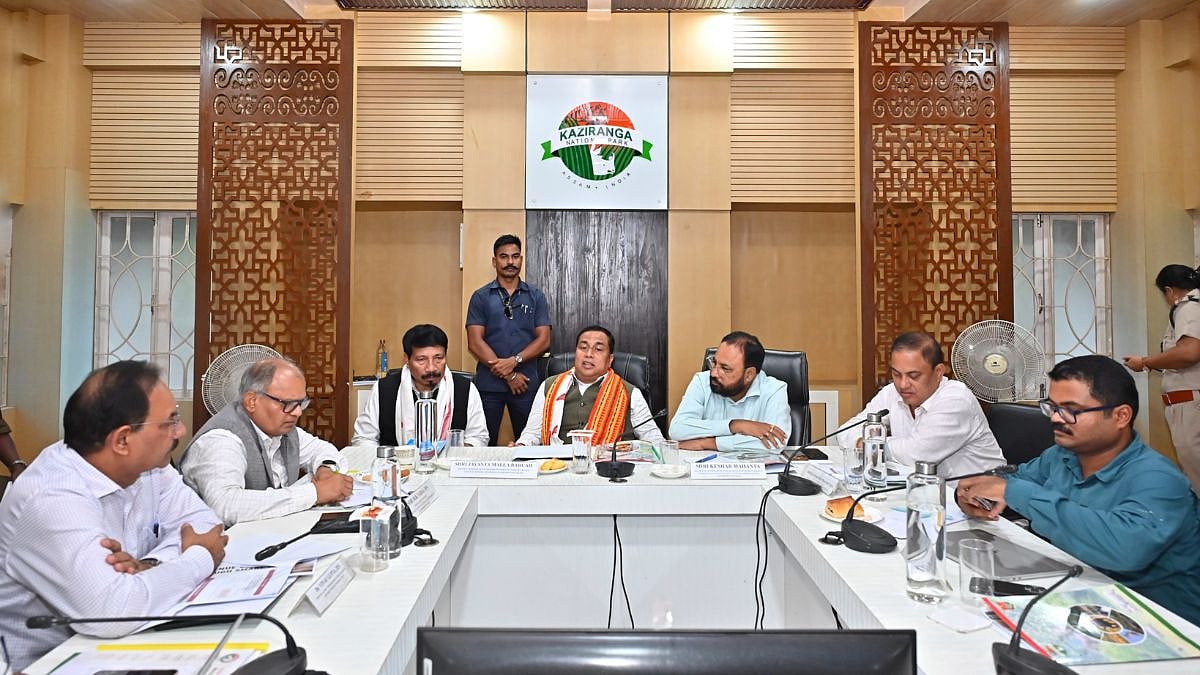
Assam Forest Minister Jayanta Mallabaruah held a review meeting with tourism stakeholders at the Forest Convention Centre in Kohora on Saturday to discuss a long-term roadmap for conservation and sustainable tourism in Kaziranga National Park and Tiger Reserve.
The meeting, which was attended by representatives of the tourism industry, local stakeholders, and Forest Department officials, focused on improving visitor facilities, strengthening wildlife conservation, and enhancing coordination among agencies involved in the management of the UNESCO World Heritage Site.
Mallabaruah said the consultation was aimed at preparing well in advance for the next tourism season by incorporating practical suggestions from stakeholders. He asked participants to submit written recommendations to the department within 10 days so that they could be examined and included in future plans.
The Minister said his earlier association with the Tourism Department had given him a close understanding of both Kaziranga’s strengths and the challenges faced by the tourism sector. He added that the Forest Department would work closely with stakeholders to identify priority areas for conservation, visitor management, and tourism development.
Suggestions were sought on improving facilities for temporary forest workers, strengthening tourist amenities, and enhancing wildlife protection measures. Mallabaruah said every recommendation would be examined carefully before any final decisions were taken.
He stressed the importance of coordination between the Forest and Tourism departments to ensure balanced development while safeguarding Kaziranga’s ecological integrity. Referring to recent reports of forest destruction along the Chirang-Bhutan border, the Minister said the department was maintaining a strict vigil and had already deployed officials to the affected areas.
Kaziranga National Park is a world-famous tourist destination and a vital habitat for numerous endangered species, including the one-horned rhinoceros. The park is also an important part of Assam's economy, generating significant revenue from tourism.
The meeting is a significant step towards developing a sustainable tourism model for Kaziranga, which balances the needs of conservation, local communities, and tourists. The Assam government's efforts to engage with stakeholders and seek their suggestions demonstrate a commitment to responsible and inclusive tourism development.
The roadmap for sustainable tourism in Kaziranga is expected to be finalized soon, with the Minister reviewing the recommendations and finalizing the plans for the coming tourism season. The development of a comprehensive plan for conservation and tourism development in Kaziranga is crucial for the long-term sustainability of the park and its ecosystem.
In recent years, Kaziranga has faced several challenges, including poaching, habitat destruction, and human-wildlife conflict. The development of a sustainable tourism model is essential to addressing these challenges and ensuring the park's ecological integrity.
The Assam government's initiative to develop a roadmap for sustainable tourism in Kaziranga is a positive step towards promoting responsible tourism and conservation practices in the state. The success of this initiative will depend on the effective implementation of the plans and the cooperation of all stakeholders involved.
Overall, the meeting between the Assam Forest Minister and stakeholders marks an important milestone in the development of a sustainable tourism model for Kaziranga National Park and Tiger Reserve. The outcome of this initiative will have significant implications for the conservation of the park's ecosystem and the development of the tourism sector in Assam.
The development of a comprehensive plan for conservation and tourism development in Kaziranga will also have a positive impact on the local communities living around the park. The plan is expected to provide benefits to local communities, including employment opportunities, infrastructure development, and improved livelihoods.
In conclusion, the Assam government's efforts to develop a roadmap for sustainable tourism in Kaziranga National Park and Tiger Reserve are a significant step towards promoting responsible tourism and conservation practices in the state. The success of this initiative will depend on the effective implementation of the plans and the cooperation of all stakeholders involved.