Delhi HC Denies Transfer of Activist Sonam Wangchuk to Private Hospital
Delhi High Court rejects plea to shift Sonam Wangchuk to private hospital. Court says government acted within rights.
'%3E%3Crect%20width%3D'96'%20height%3D'96'%20fill%3D'%231A5276'%2F%3E%3Ccircle%20cx%3D'30'%20cy%3D'24'%20r%3D'44'%20fill%3D'%23fff'%20opacity%3D'.12'%2F%3E%3Ccircle%20cx%3D'60'%20cy%3D'74'%20r%3D'40'%20fill%3D'%23000'%20opacity%3D'.10'%2F%3E%3C%2Fg%3E%3Cg%20fill%3D'%23fff'%3E%3Cpath%20d%3D'M31%2041%20L48%2031%20L65%2041%20Z'%2F%3E%3Crect%20x%3D'33'%20y%3D'43'%20width%3D'4'%20height%3D'17'%2F%3E%3Crect%20x%3D'41'%20y%3D'43'%20width%3D'4'%20height%3D'17'%2F%3E%3Crect%20x%3D'51'%20y%3D'43'%20width%3D'4'%20height%3D'17'%2F%3E%3Crect%20x%3D'59'%20y%3D'43'%20width%3D'4'%20height%3D'17'%2F%3E%3Crect%20x%3D'30'%20y%3D'62'%20width%3D'36'%20height%3D'4'%20rx%3D'1'%2F%3E%3C%2Fg%3E%3C%2Fsvg%3E)
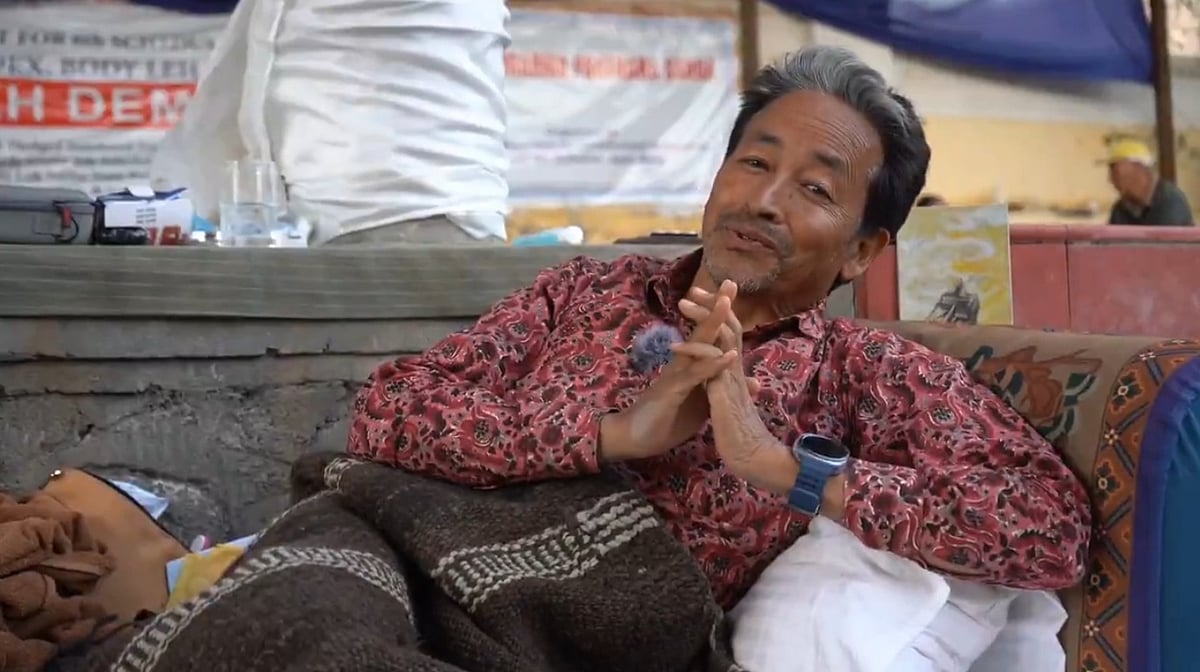
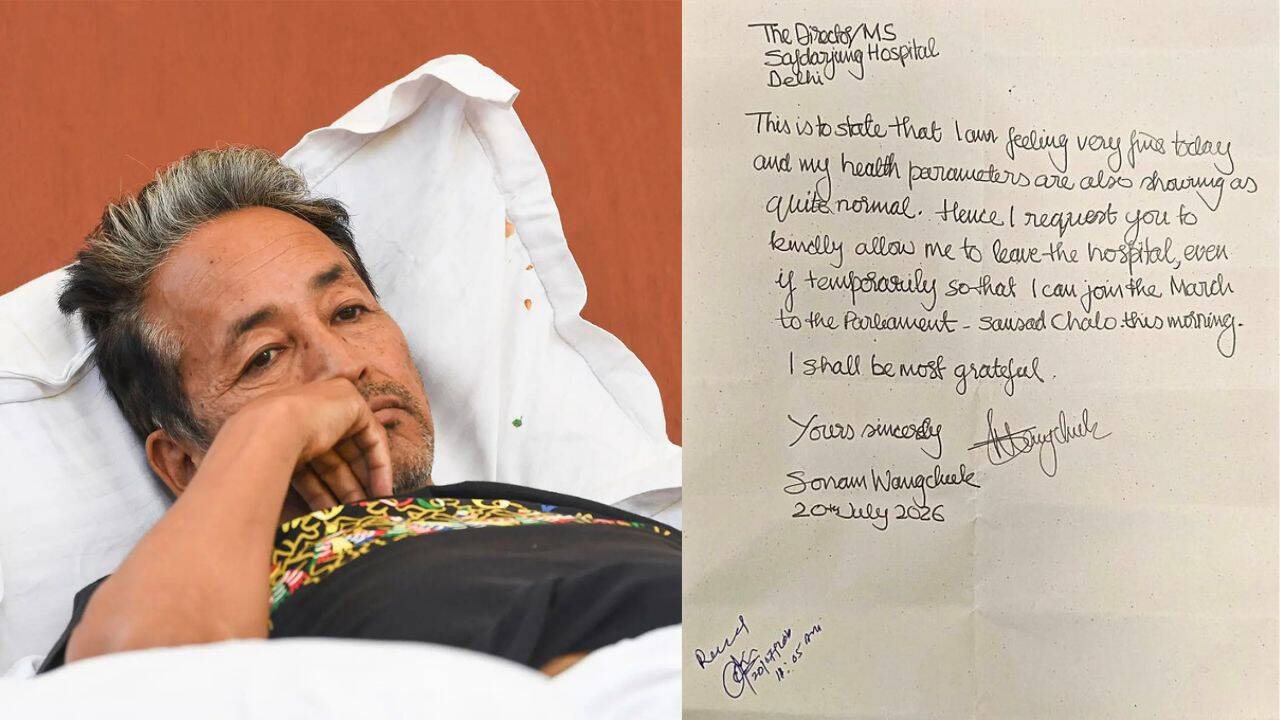
The Delhi High Court has refused to grant interim relief to activist Sonam Wangchuk, who has been on a hunger strike since June 28, by allowing his transfer to a private hospital of his choice.
The plea was moved by Wangchuk's wife, Dr Gitanjali Angmo, who sought to shift him to a private hospital due to concerns over his health. However, the Court held that the government's decision to shift Wangchuk from the Jantar Mantar protest site to Safdarjung Hospital was not arbitrary.
Justice Mini Pushkarna observed that since Wangchuk did not check himself into any hospital facility on his own, the government was within its rights to take such action. The Court noted that doctors at Safdarjung Hospital were closely monitoring Wangchuk's condition and had only administered ORS without sugar and potassium chloride tablets with his consent.
The Court also accepted the Centre's submission that Wangchuk's wife and brother had access to him and had been provided a separate room. It said no interim order was required at this stage and issued notice on Angmo's writ petition, directing the Centre to file its reply within three days.
During the hearing, Senior Advocate Kapil Sibal argued that Wangchuk should be free to choose his hospital since he was neither under detention nor facing any criminal allegation. He informed the Court that Medanta Hospital had agreed to admit Wangchuk and undertook that he would get admitted there if permitted.
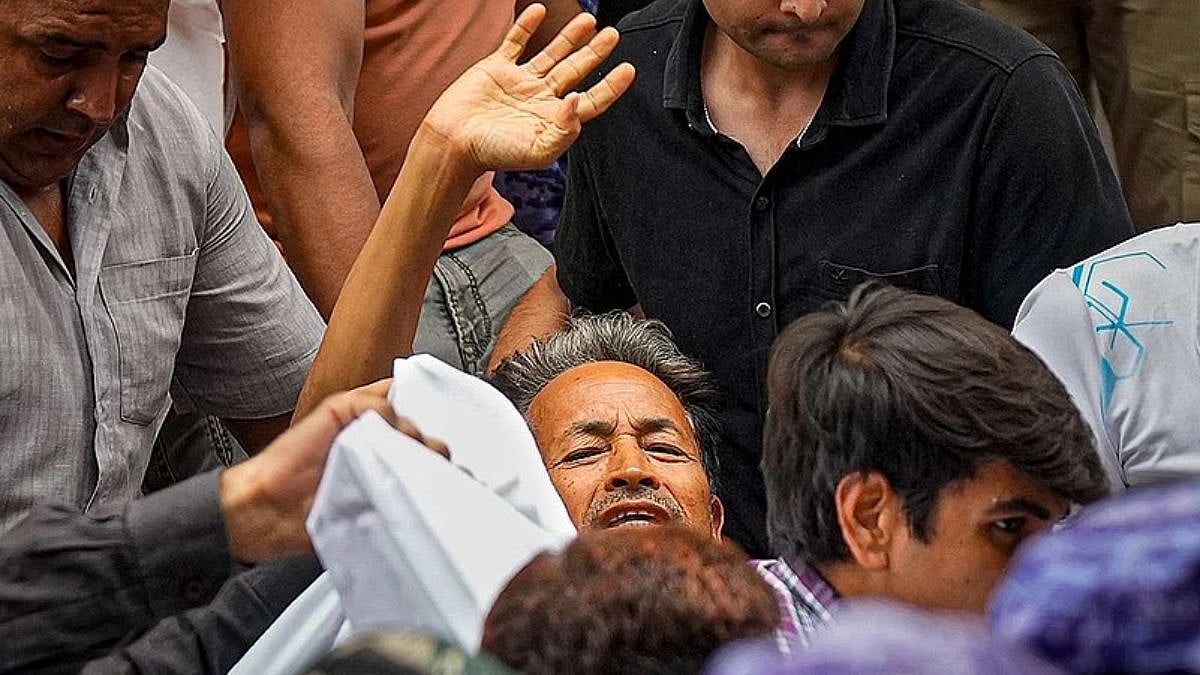
However, Additional Solicitor General Chetan Sharma opposed the plea, saying Wangchuk's health had deteriorated after his 18-day fast, making police intervention necessary. He told the Court that doctors from Safdarjung Hospital and AIIMS were monitoring Wangchuk's condition.
The Court's decision comes as a significant development in the case, which has sparked concerns over the government's handling of protests and the rights of activists. The issue has also raised questions about the balance between the government's responsibility to protect public health and the individual's right to choose their own medical treatment.
The Delhi High Court's order is likely to have implications for future cases involving protests and hunger strikes, and will be closely watched by activists and human rights groups. The Court's decision to allow the government to continue monitoring Wangchuk's health at Safdarjung Hospital suggests that it is prioritizing public health concerns over individual autonomy in this case.
In the broader context, the case highlights the ongoing tensions between the government and activists in India, and the challenges of balancing individual rights with public health and safety concerns. The Delhi High Court's decision is a significant development in this ongoing debate, and will likely be subject to further scrutiny and appeal.
The case will now proceed with the Centre filing its reply to the writ petition within three days, and the Court will consider further arguments and evidence before making a final decision. For now, Wangchuk will continue to receive medical treatment at Safdarjung Hospital, under the close monitoring of doctors from the hospital and AIIMS.
The significance of this case extends beyond the individual circumstances of Wangchuk's hunger strike, and raises important questions about the role of the government in protecting public health and the rights of activists. As the case continues to unfold, it will be important to consider the broader implications of the Court's decision and the potential impact on future cases involving protests and hunger strikes.
In conclusion, the Delhi High Court's decision to deny Wangchuk's transfer to a private hospital is a significant development in the case, and highlights the ongoing tensions between the government and activists in India. The case will continue to be closely watched, and its outcome will have important implications for the balance between public health concerns and individual autonomy in India.