Maharashtra Cabinet Approves Farm Loan Waiver Relief
Farmers to get major relief, asset monetisation policy approved, infrastructure projects cleared
'%3E%3Crect%20width%3D'96'%20height%3D'96'%20fill%3D'%231A5276'%2F%3E%3Ccircle%20cx%3D'30'%20cy%3D'24'%20r%3D'44'%20fill%3D'%23fff'%20opacity%3D'.12'%2F%3E%3Ccircle%20cx%3D'60'%20cy%3D'74'%20r%3D'40'%20fill%3D'%23000'%20opacity%3D'.10'%2F%3E%3C%2Fg%3E%3Cg%20fill%3D'%23fff'%3E%3Cpath%20d%3D'M31%2041%20L48%2031%20L65%2041%20Z'%2F%3E%3Crect%20x%3D'33'%20y%3D'43'%20width%3D'4'%20height%3D'17'%2F%3E%3Crect%20x%3D'41'%20y%3D'43'%20width%3D'4'%20height%3D'17'%2F%3E%3Crect%20x%3D'51'%20y%3D'43'%20width%3D'4'%20height%3D'17'%2F%3E%3Crect%20x%3D'59'%20y%3D'43'%20width%3D'4'%20height%3D'17'%2F%3E%3Crect%20x%3D'30'%20y%3D'62'%20width%3D'36'%20height%3D'4'%20rx%3D'1'%2F%3E%3C%2Fg%3E%3C%2Fsvg%3E)
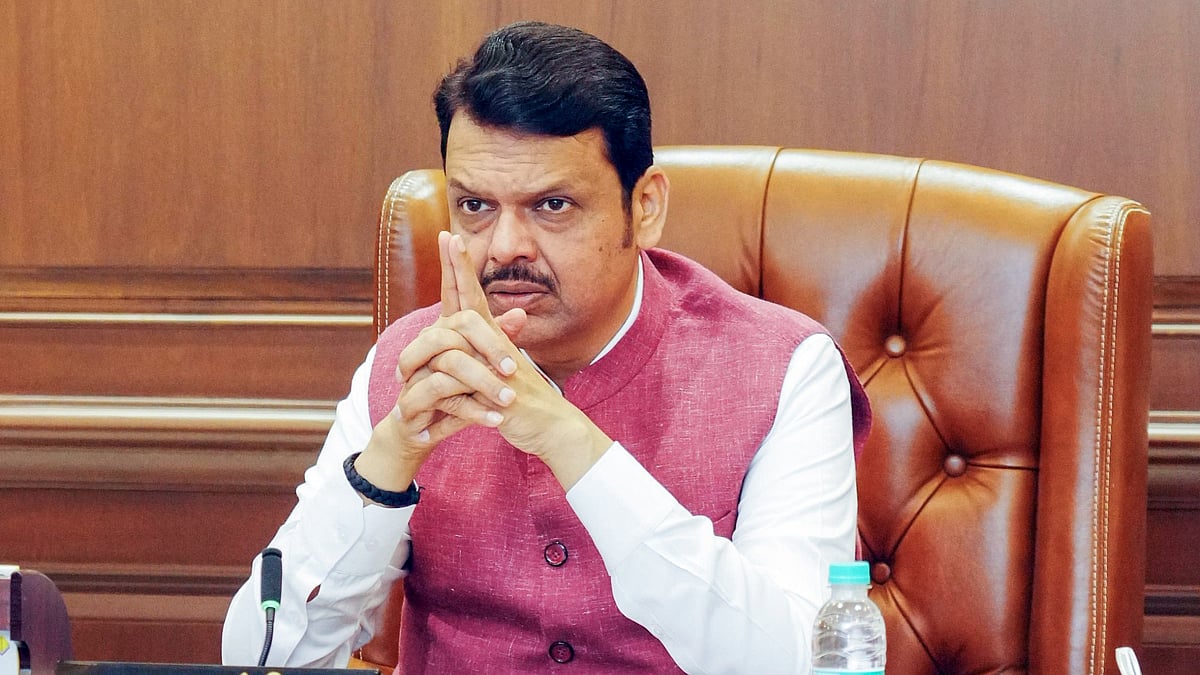
The Maharashtra Cabinet, led by Chief Minister Devendra Fadnavis, approved several key policy decisions on Tuesday, aimed at providing relief to farmers, strengthening urban local bodies, and boosting infrastructure.
The Cabinet approved amendments to the 'Punyashlok Ahilyadevi Holkar Shetkari Karjmukti Yojana 2026', a farm loan waiver scheme, offering major relief to lakhs of farmers across Maharashtra. The earlier Rs 50,000 ceiling applicable to nearly 13 lakh farmers has been removed, enabling them to receive the full benefit of the waiver.
The Cabinet also abolished the condition of regular loan repayment for the 2026-27 financial year, making around 23 lakh farmers eligible for incentive benefits. This scheme has already benefited nearly 56 lakh farmers with assistance amounting to Rs 36,585 crore.
In another major decision, the Cabinet approved the transfer of 558.43 hectares of government land for the development of an international-standard agricultural market in Dahanu taluka of Palghar district. The proposed facility will be developed on the lines of the renowned Rungis International Market in France and is expected to strengthen agricultural marketing and improve market access for farmers.
To improve the financial health of municipal corporations, the Cabinet approved a comprehensive Asset Monetisation Policy. The policy aims to generate sustainable revenue by developing and commercially utilising civic properties, including land parcels, buildings, and public infrastructure.
The government expects this initiative to reduce dependence on state grants while strengthening local bodies' capacity to fund essential services such as water supply, sanitation, roads, healthcare, education, and urban transport.
The Cabinet also approved the implementation of the Centre-sponsored Urban Challenge Fund (UCF) in Maharashtra, with suitable modifications in line with Central guidelines. The initiative seeks to encourage market-based financing, integrated regional development, governance reforms, institutional capacity building, and sustainable urban infrastructure.
Among other decisions, the Cabinet sanctioned works worth Rs 24.95 crore for upgrading the District Sports Complex in Beed with modern sports facilities. It also enhanced rehabilitation assistance for affected families and approved transport projects.
These decisions are expected to have a significant impact on the lives of farmers, urban residents, and the overall development of Maharashtra. The state government's efforts to provide relief to farmers, strengthen urban local bodies, and boost infrastructure are likely to improve the economic and social well-being of its citizens.
The approval of the Asset Monetisation Policy is also expected to improve the financial health of municipal corporations, enabling them to provide better services to citizens. The development of an international-standard agricultural market is likely to strengthen agricultural marketing and improve market access for farmers, leading to increased income and economic growth.
Overall, the Maharashtra Cabinet's decisions are a significant step towards improving the lives of its citizens and driving economic growth in the state.
The impact of these decisions will be closely watched by citizens, farmers, and urban residents, who are expecting significant improvements in their lives. The state government's efforts to provide relief to farmers, strengthen urban local bodies, and boost infrastructure are likely to have a positive impact on the overall development of Maharashtra.
In conclusion, the Maharashtra Cabinet's approval of the farm loan waiver relief, asset monetisation policy, and key infrastructure projects is a significant step towards improving the lives of its citizens and driving economic growth in the state. The state government's efforts are expected to have a positive impact on the overall development of Maharashtra, and its citizens are likely to benefit from these decisions.