Samsung Accelerates Chip Plant Opening To 2029
Samsung to start chip plant early, invests $1.35 trillion, responds to AI demand

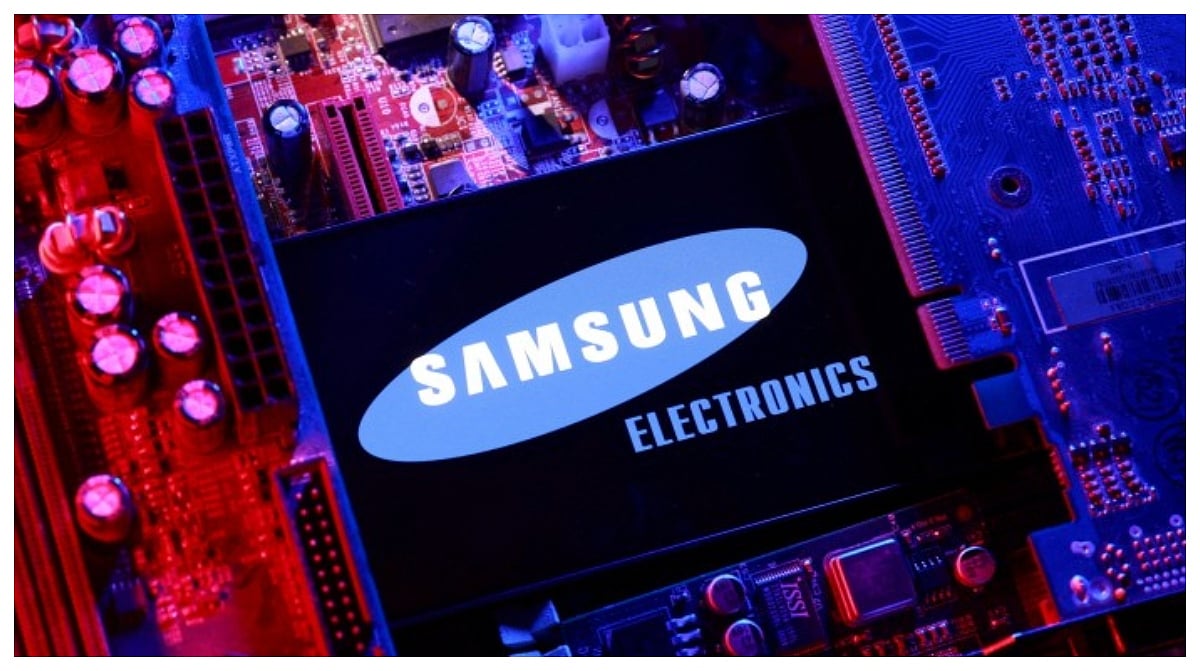
Samsung Electronics is set to begin operations at its first semiconductor fabrication plant in Yongin, South Korea, in 2029, a year or two earlier than initially planned. The company is accelerating its timeline as the government speeds up development of the Yongin National Industrial Complex, a strategic project aimed at creating a next-generation semiconductor manufacturing hub.
The first plant is part of a larger complex that will feature six semiconductor plants, located just south of Seoul. According to industry sources, the early start of operations will enable Samsung to respond more quickly to the rapidly growing global demand for artificial intelligence chips.
Samsung has also announced plans to invest 2,030 trillion won (US$1.35 trillion) in its Pyeongtaek and Yongin semiconductor clusters, as well as 400 trillion won to build two new chip plants in Gwangju, located 270 kilometers south of Seoul. This investment is part of the company's mega project investment plan, which aims to advance its position in the global semiconductor market.
In addition to Samsung's investment, SK Group has pledged to invest 470 trillion won in the southwest region to build two semiconductor fabs and a 1-gigawatt AI data centre. The combined investment of Samsung and SK Group totals 896 trillion won ($578 billion), which will contribute to the government's vision of pursuing shared growth in the artificial intelligence industry.
The Ministry of Trade, Industry and Resources has pledged to provide necessary support for the smooth implementation of these investment plans. The government's tripolar mega projects aim to advance technologies across the country and turn South Korea into an industrial powerhouse in the emerging AI era.
The accelerated timeline for the Yongin chip plant is a significant development for Samsung, as it will enable the company to increase its production capacity and respond to growing demand for AI chips. The investment plans announced by Samsung and SK Group are also expected to have a positive impact on the South Korean economy, creating new job opportunities and driving growth in the technology sector.
The development of the Yongin National Industrial Complex is a key part of the government's strategy to create a hub for next-generation semiconductor manufacturing. The complex is expected to play a crucial role in advancing South Korea's position in the global semiconductor market and driving growth in the AI industry.
In the context of the global semiconductor market, Samsung's investment plans and the development of the Yongin National Industrial Complex are significant developments. The global demand for AI chips is growing rapidly, and companies like Samsung are investing heavily to increase their production capacity and meet this demand.
The investment plans announced by Samsung and SK Group are also expected to have a positive impact on the development of the AI industry in South Korea. The government's vision of pursuing shared growth in the AI industry is aimed at creating a hub for AI technology and driving growth in the sector.
In conclusion, Samsung's decision to accelerate the opening of its first Yongin chip plant to 2029 is a significant development for the company and the South Korean economy. The investment plans announced by Samsung and SK Group are expected to drive growth in the technology sector and contribute to the development of the AI industry in South Korea.
The significance of this development for Mumbai or India is limited, as it primarily relates to the South Korean economy and the global semiconductor market. However, the growth of the AI industry and the development of new technologies are expected to have a positive impact on the global economy, including India.