Humpback Whale Sightings Drop 60% Near Australia
Humpback whale sightings decline, seabirds struggle due to ocean changes.
'%3E%3Crect%20width%3D'96'%20height%3D'96'%20fill%3D'%23B3261E'%2F%3E%3Ccircle%20cx%3D'30'%20cy%3D'24'%20r%3D'44'%20fill%3D'%23fff'%20opacity%3D'.12'%2F%3E%3Ccircle%20cx%3D'60'%20cy%3D'74'%20r%3D'40'%20fill%3D'%23000'%20opacity%3D'.10'%2F%3E%3C%2Fg%3E%3Cg%20fill%3D'%23fff'%3E%3Crect%20x%3D'29'%20y%3D'49'%20width%3D'8'%20height%3D'19'%20rx%3D'1'%2F%3E%3Crect%20x%3D'39'%20y%3D'40'%20width%3D'9'%20height%3D'28'%20rx%3D'1'%2F%3E%3Crect%20x%3D'50'%20y%3D'45'%20width%3D'8'%20height%3D'23'%20rx%3D'1'%2F%3E%3Crect%20x%3D'60'%20y%3D'53'%20width%3D'7'%20height%3D'15'%20rx%3D'1'%2F%3E%3Crect%20x%3D'41'%20y%3D'34'%20width%3D'5'%20height%3D'6'%2F%3E%3C%2Fg%3E%3C%2Fsvg%3E)
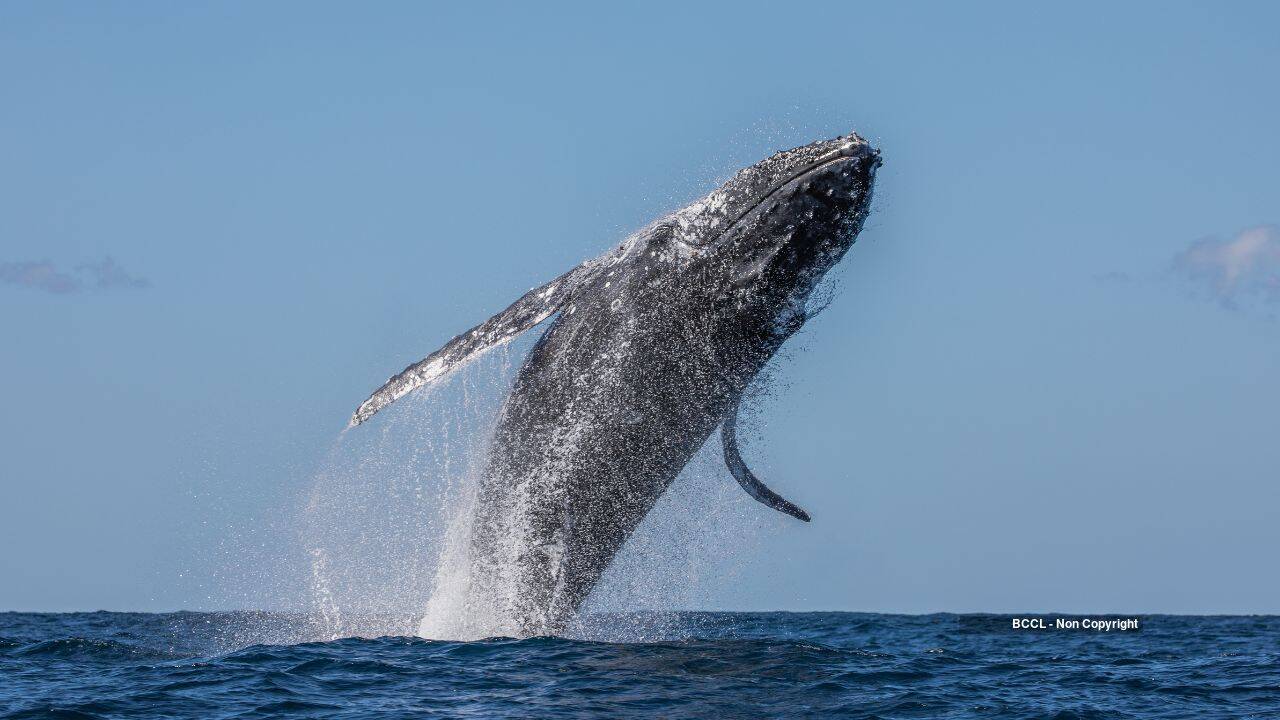
A significant decline in humpback whale sightings has been observed in the Southern Ocean, with a 60% drop reported. This change is accompanied by unusual seabird sightings, indicating shifting ocean conditions. The Southern Ocean, surrounding Australia and Antarctica, is experiencing marine heat waves that disrupt the delicate balance of food webs and drive marine life off their usual courses.
The impact of these warming events on marine ecosystems is substantial, yet limited monitoring and data collection hinder a comprehensive understanding of these changes. As a result, scientists are calling for better long-term data to track the accelerating shifts in ocean conditions and their effects on marine life.
The decline in humpback whale sightings and the struggles of seabirds reaching Australia's east coast are symptoms of a larger issue - the changing ocean conditions due to global warming. Marine heat waves, which are prolonged periods of unusually warm ocean temperatures, can have devastating effects on marine ecosystems.
In the context of the Southern Ocean, these heat waves can disrupt the food chain, making it difficult for whales and seabirds to find food. This, in turn, can lead to changes in their migration patterns, behavior, and overall population dynamics.
The need for long-term data to understand these changes cannot be overstated. With better data, scientists can identify trends, patterns, and correlations between ocean conditions and marine life. This information can then be used to inform conservation efforts, management strategies, and policy decisions aimed at mitigating the impacts of climate change on marine ecosystems.
The situation highlights the importance of continued research and monitoring of ocean conditions and marine life. By improving our understanding of these complex systems, we can work towards preserving the health and biodiversity of our oceans.
In conclusion, the decline in humpback whale sightings and the struggles of seabirds are indicators of the significant changes occurring in the Southern Ocean. It is essential that we take a proactive approach to understanding and addressing these changes to ensure the long-term sustainability of marine ecosystems.
Frequently asked questions
What is causing the decline in humpback whale sightings?
The decline in humpback whale sightings is attributed to changing ocean conditions, particularly marine heat waves, which disrupt food webs and affect marine life.
Why is long-term data needed to track ocean changes?
Long-term data is necessary to understand the accelerating shifts in ocean conditions and their effects on marine life, enabling informed conservation efforts and policy decisions.