Landlords Can't Install CCTV Without Consent
Landlords' rights to monitor tenants, CCTV camera laws explained
'%3E%3Crect%20width%3D'96'%20height%3D'96'%20fill%3D'%23B3261E'%2F%3E%3Ccircle%20cx%3D'30'%20cy%3D'24'%20r%3D'44'%20fill%3D'%23fff'%20opacity%3D'.12'%2F%3E%3Ccircle%20cx%3D'60'%20cy%3D'74'%20r%3D'40'%20fill%3D'%23000'%20opacity%3D'.10'%2F%3E%3C%2Fg%3E%3Cg%20fill%3D'%23fff'%3E%3Crect%20x%3D'29'%20y%3D'49'%20width%3D'8'%20height%3D'19'%20rx%3D'1'%2F%3E%3Crect%20x%3D'39'%20y%3D'40'%20width%3D'9'%20height%3D'28'%20rx%3D'1'%2F%3E%3Crect%20x%3D'50'%20y%3D'45'%20width%3D'8'%20height%3D'23'%20rx%3D'1'%2F%3E%3Crect%20x%3D'60'%20y%3D'53'%20width%3D'7'%20height%3D'15'%20rx%3D'1'%2F%3E%3Crect%20x%3D'41'%20y%3D'34'%20width%3D'5'%20height%3D'6'%2F%3E%3C%2Fg%3E%3C%2Fsvg%3E)
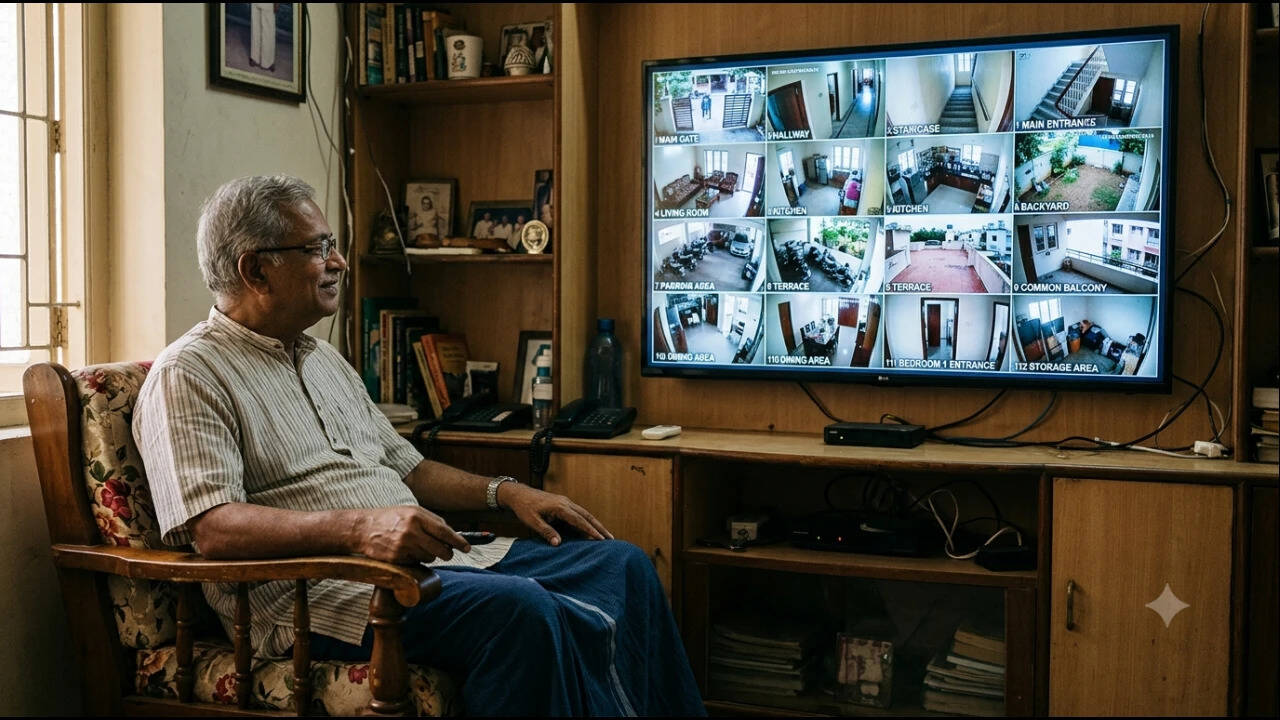
A recent discussion has sparked debate about the rights of landlords to install CCTV cameras outside rented homes. The question remains, can landlords assume unrestricted rights to monitor tenants' private spaces? The answer is no. According to the law, surveillance that invades a tenant's private area may violate their privacy rights.
The Supreme Court has affirmed that privacy is an intrinsic part of personal liberty, which means that individuals have the right to privacy and protection from unwarranted surveillance. This ruling has significant implications for tenants who may feel that their landlord is overstepping their boundaries.
A ruling by the Calcutta High Court has also supported tenants' privacy against intrusive cameras. The court's decision emphasizes that landlords cannot install CCTV cameras that capture private areas without the consent of the tenants. This means that landlords must obtain explicit permission from their tenants before installing any surveillance equipment.
The laws protecting tenants from intentional capture of private areas without consent are clear. Landlords who fail to comply with these laws may face legal consequences. It is essential for tenants to understand their rights and for landlords to respect these boundaries.
In India, the right to privacy is a fundamental right, and any infringement on this right can have serious consequences. The government has implemented various laws to protect citizens' privacy, including the Information Technology Act, 2000, and the Personal Data Protection Bill, 2019.
Tenants who feel that their privacy is being violated can take action against their landlords. They can file a complaint with the local authorities or seek legal advice from a lawyer. It is crucial for tenants to document any evidence of surveillance and to keep a record of any communication with their landlord.
In conclusion, landlords cannot install CCTV cameras outside rented homes without the consent of their tenants. The law protects tenants' privacy rights, and any infringement on these rights can have serious consequences. Tenants must be aware of their rights and take action if they feel that their privacy is being violated.
The issue of CCTV cameras and privacy is a complex one, and it requires a balanced approach. While landlords may have legitimate concerns about security, they must also respect the privacy rights of their tenants. By understanding the laws and regulations surrounding surveillance, landlords and tenants can work together to create a safe and respectful living environment.
As the debate around CCTV cameras and privacy continues, it is essential to remember that the right to privacy is a fundamental right that must be protected. Tenants and landlords must work together to find a solution that balances security concerns with privacy rights.
Frequently asked questions
Can a landlord install CCTV cameras without tenant consent?
No, landlords cannot install CCTV cameras without the consent of their tenants, as it may violate their privacy rights.
What can tenants do if they feel their privacy is being violated?
Tenants can file a complaint with the local authorities or seek legal advice from a lawyer.