Pacific Garbage Patch Covers 1.6 Million Sq Km
Hawaii to California, a massive patch of plastic debris threatens marine life.
'%3E%3Crect%20width%3D'96'%20height%3D'96'%20fill%3D'%231B5E20'%2F%3E%3Ccircle%20cx%3D'30'%20cy%3D'24'%20r%3D'44'%20fill%3D'%23fff'%20opacity%3D'.12'%2F%3E%3Ccircle%20cx%3D'60'%20cy%3D'74'%20r%3D'40'%20fill%3D'%23000'%20opacity%3D'.10'%2F%3E%3C%2Fg%3E%3Cg%3E%3Ccircle%20cx%3D'48'%20cy%3D'48'%20r%3D'15'%20fill%3D'%23fff'%2F%3E%3Cpath%20d%3D'M43%2034%20Q50%2048%2043%2062'%20fill%3D'none'%20stroke%3D'%238a94a6'%20stroke-width%3D'2.4'%2F%3E%3Cpath%20d%3D'M47%2033%20Q54%2048%2047%2063'%20fill%3D'none'%20stroke%3D'%238a94a6'%20stroke-width%3D'1.8'%20stroke-dasharray%3D'1.5%203'%2F%3E%3C%2Fg%3E%3C%2Fsvg%3E)
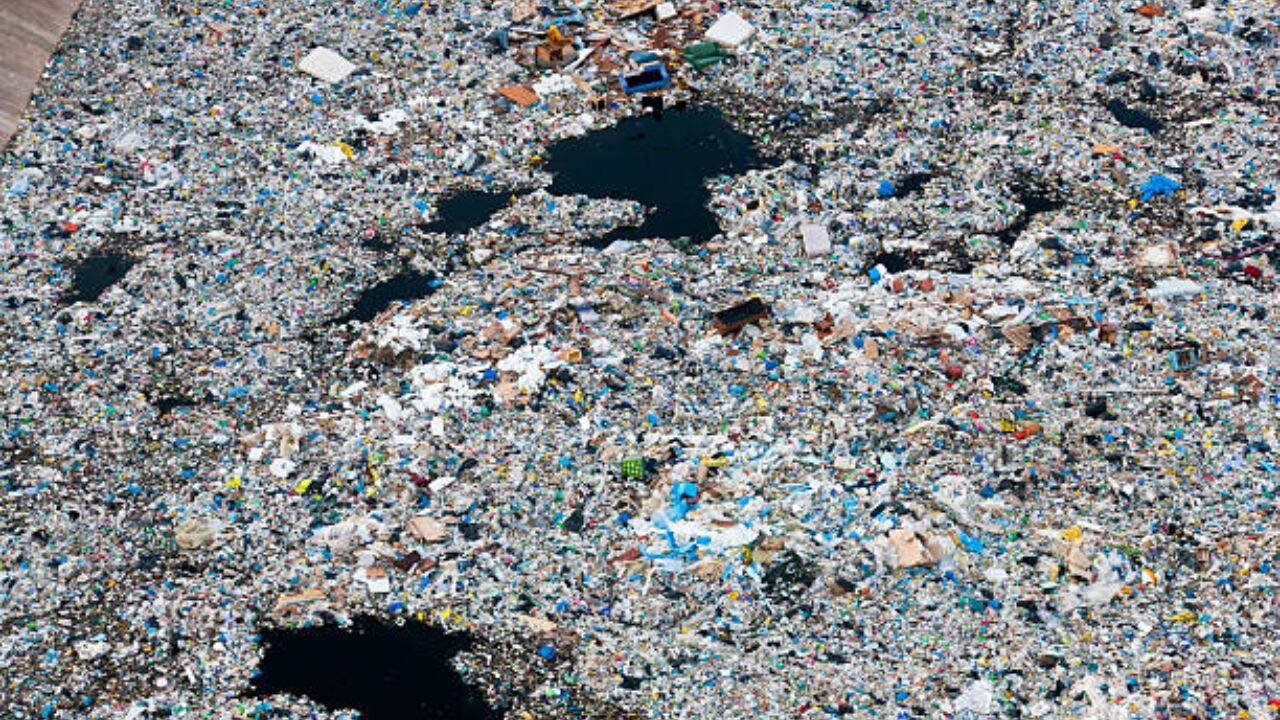
A staggering 1.6 million square kilometers of plastic debris floats between the shores of Hawaii and California, posing serious threats to marine wildlife. This vast island of waste includes not just nets and ropes but also countless microplastics.
The debris is dominated by fishing gear, which is a major contributor to the problem. Ghost fishing gear, in particular, is a significant threat as animals often become trapped in it.
The presence of microplastics is also a major concern. These tiny plastic particles can be mistaken for food by marine animals, causing them harm. The impact of plastic debris on marine life is a pressing issue that needs to be addressed.
The Pacific garbage patch is a massive collection of plastic debris that has accumulated in the ocean. It is not a solid island of trash, but rather a collection of microplastics and larger debris that are dispersed throughout the water.
The problem of plastic debris in the ocean is not limited to the Pacific garbage patch. It is a global issue that affects marine life and ecosystems around the world. The impact of plastic pollution on marine life is a major concern, and efforts are being made to reduce the amount of plastic waste that enters the ocean.
One of the main challenges in addressing the problem of plastic debris is the lack of effective waste management systems in many parts of the world. In addition, the use of single-use plastics is still widespread, which contributes to the problem.
To address the issue, there is a need for a multi-faceted approach that includes reducing plastic waste, improving waste management systems, and promoting sustainable practices. This can include measures such as banning single-use plastics, increasing recycling rates, and promoting the use of biodegradable materials.
The impact of plastic debris on marine life is a pressing issue that needs to be addressed. The Pacific garbage patch is a stark reminder of the need for urgent action to reduce plastic waste and protect marine ecosystems.
In conclusion, the Pacific garbage patch is a major environmental concern that highlights the need for urgent action to address the problem of plastic debris in the ocean. It is a complex issue that requires a multi-faceted approach, but with concerted efforts, it is possible to reduce the amount of plastic waste that enters the ocean and protect marine life.
The issue of plastic debris in the ocean is not just an environmental concern, but also a human health issue. The ingestion of microplastics by marine animals can lead to the transfer of toxic chemicals to humans who consume seafood. Therefore, it is essential to address the problem of plastic debris to protect both marine life and human health.
Overall, the Pacific garbage patch is a stark reminder of the need for urgent action to reduce plastic waste and protect marine ecosystems. It is a complex issue that requires a multi-faceted approach, but with concerted efforts, it is possible to make a positive impact and protect the health of our oceans.
Frequently asked questions
What is the size of the Pacific garbage patch?
The Pacific garbage patch covers an area of 1.6 million square kilometers.
What is the main component of the debris in the Pacific garbage patch?
The debris is dominated by fishing gear, including nets and ropes.