Hawaii Mosquitofish Invasion Hurts Native Species
Mosquitofish introduced in 1905 harm Hawaii ecosystem, native insects decline
'%3E%3Crect%20width%3D'96'%20height%3D'96'%20fill%3D'%23B3261E'%2F%3E%3Ccircle%20cx%3D'30'%20cy%3D'24'%20r%3D'44'%20fill%3D'%23fff'%20opacity%3D'.12'%2F%3E%3Ccircle%20cx%3D'60'%20cy%3D'74'%20r%3D'40'%20fill%3D'%23000'%20opacity%3D'.10'%2F%3E%3C%2Fg%3E%3Cg%20fill%3D'%23fff'%3E%3Crect%20x%3D'29'%20y%3D'49'%20width%3D'8'%20height%3D'19'%20rx%3D'1'%2F%3E%3Crect%20x%3D'39'%20y%3D'40'%20width%3D'9'%20height%3D'28'%20rx%3D'1'%2F%3E%3Crect%20x%3D'50'%20y%3D'45'%20width%3D'8'%20height%3D'23'%20rx%3D'1'%2F%3E%3Crect%20x%3D'60'%20y%3D'53'%20width%3D'7'%20height%3D'15'%20rx%3D'1'%2F%3E%3Crect%20x%3D'41'%20y%3D'34'%20width%3D'5'%20height%3D'6'%2F%3E%3C%2Fg%3E%3C%2Fsvg%3E)
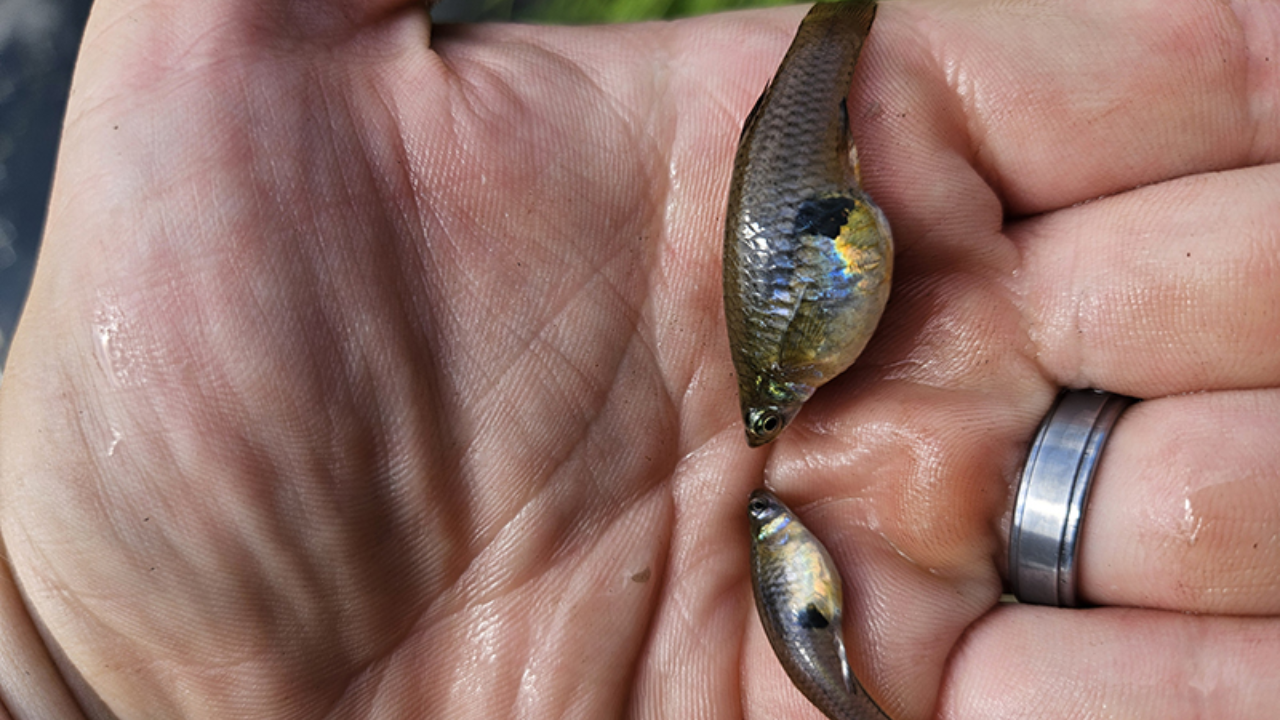
A significant environmental issue has emerged in Hawaii, stemming from the introduction of mosquitofish in 1905. This invasive species has drastically altered the ecosystem, leading to substantial declines in native aquatic insects. The primary cause of this decline is the mosquitofish's aggressive predation on local species, which disrupts the delicate balance of food chains.
Native damselflies are particularly susceptible to the mosquitofish's attacks, resulting in plummeting populations. Furthermore, the invasive fish compete with endemic fish and crustaceans for limited food resources, making control efforts challenging.
The intricate waterways in Hawaii complicate the situation, allowing the mosquitofish to thrive and breed rapidly. Their fast breeding habits have enabled them to establish a strong presence in the ecosystem, exacerbating the decline of native species.
Hawaii's ecosystem is unique and fragile, with many native species found nowhere else in the world. The introduction of invasive species like the mosquitofish can have far-reaching and devastating consequences, highlighting the need for careful consideration and management of introduced species.
The decline of native aquatic insects can have a ripple effect throughout the ecosystem, impacting other species that rely on them for food or habitat. It is essential to address the issue of invasive species in Hawaii and work towards preserving the native biodiversity.
The Hawaiian government and conservation efforts are working to mitigate the effects of the mosquitofish invasion and protect the native species. However, more needs to be done to prevent further declines and restore the balance of the ecosystem.
In conclusion, the introduction of mosquitofish in Hawaii has had a profound impact on the ecosystem, leading to significant declines in native aquatic insects. It is crucial to take immediate action to address this issue and preserve the unique biodiversity of Hawaii.
The situation in Hawaii serves as a cautionary tale for other regions, highlighting the importance of careful consideration and management of introduced species. It also underscores the need for continued conservation efforts to protect native biodiversity and preserve the delicate balance of ecosystems.
Overall, the decline of native species in Hawaii due to the mosquitofish invasion is a pressing environmental issue that requires immediate attention and action.
Frequently asked questions
What is the main cause of native species decline in Hawaii?
The main cause of native species decline in Hawaii is the introduction of invasive species like the mosquitofish, which prey on local species and disrupt food chains.
Why is it challenging to control the mosquitofish population in Hawaii?
Control efforts are complicated due to the intricate waterways and the fast breeding habits of the mosquitofish.