HC Rules No Ticket Doesn't Mean Ticketless Traveler
Court grants compensation to deceased's mother, rejects Railway Tribunal's decision
'%3E%3Crect%20width%3D'96'%20height%3D'96'%20fill%3D'%23B3261E'%2F%3E%3Ccircle%20cx%3D'30'%20cy%3D'24'%20r%3D'44'%20fill%3D'%23fff'%20opacity%3D'.12'%2F%3E%3Ccircle%20cx%3D'60'%20cy%3D'74'%20r%3D'40'%20fill%3D'%23000'%20opacity%3D'.10'%2F%3E%3C%2Fg%3E%3Cg%20fill%3D'%23fff'%3E%3Crect%20x%3D'29'%20y%3D'49'%20width%3D'8'%20height%3D'19'%20rx%3D'1'%2F%3E%3Crect%20x%3D'39'%20y%3D'40'%20width%3D'9'%20height%3D'28'%20rx%3D'1'%2F%3E%3Crect%20x%3D'50'%20y%3D'45'%20width%3D'8'%20height%3D'23'%20rx%3D'1'%2F%3E%3Crect%20x%3D'60'%20y%3D'53'%20width%3D'7'%20height%3D'15'%20rx%3D'1'%2F%3E%3Crect%20x%3D'41'%20y%3D'34'%20width%3D'5'%20height%3D'6'%2F%3E%3C%2Fg%3E%3C%2Fsvg%3E)
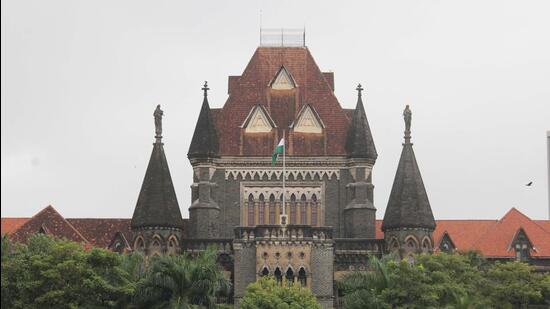
The Bombay High Court has made a significant ruling in a case involving a man who died after falling from a train. The court stated that the absence of a valid railway ticket on the deceased's person does not necessarily mean he was a ticketless traveler.
The case began when the mother of the deceased filed a claim for compensation with the Railway Accident Claims Tribunal. However, the tribunal rejected her claim, citing the fact that no valid railway ticket was found on her son's body at the time of the accident.
The tribunal's decision was based on the assumption that the lack of a ticket indicated the deceased was traveling without a valid ticket. The mother then appealed this decision to the Bombay High Court.
The High Court has now overturned the tribunal's decision, granting the mother ₹4 lakh in compensation. The court held that the tribunal erred in rejecting the claim solely because no valid railway ticket was found on the deceased's body.
The court's ruling highlights the importance of considering all circumstances in such cases, rather than relying on a single factor. The absence of a ticket does not necessarily imply that the person was traveling without a valid ticket, as there could be other explanations for its absence.
This ruling is significant, as it sets a precedent for similar cases in the future. It emphasizes the need for a more nuanced approach when determining the status of a traveler in such situations.
The Bombay High Court's decision is a welcome move, as it provides a measure of relief to the family of the deceased. The court's ruling also serves as a reminder of the importance of considering all factors when making decisions in such cases.
In the context of railway accidents, this ruling is particularly relevant. It highlights the need for a more compassionate and considered approach when dealing with the families of victims.
The ruling is also significant in the broader context of consumer rights and the responsibilities of public services. It emphasizes the importance of considering the circumstances of each case, rather than relying on rigid rules or assumptions.
In conclusion, the Bombay High Court's decision is a significant step forward in providing justice and compensation to the families of victims of railway accidents. It sets an important precedent for similar cases in the future and highlights the need for a more nuanced and compassionate approach in such situations.