Massachusetts Cranberry Farm Restored to Wetland
Former farm transformed, thousands of fish return. Restoration work began in 2010.
'%3E%3Crect%20width%3D'96'%20height%3D'96'%20fill%3D'%23B3261E'%2F%3E%3Ccircle%20cx%3D'30'%20cy%3D'24'%20r%3D'44'%20fill%3D'%23fff'%20opacity%3D'.12'%2F%3E%3Ccircle%20cx%3D'60'%20cy%3D'74'%20r%3D'40'%20fill%3D'%23000'%20opacity%3D'.10'%2F%3E%3C%2Fg%3E%3Cg%20fill%3D'%23fff'%3E%3Crect%20x%3D'29'%20y%3D'49'%20width%3D'8'%20height%3D'19'%20rx%3D'1'%2F%3E%3Crect%20x%3D'39'%20y%3D'40'%20width%3D'9'%20height%3D'28'%20rx%3D'1'%2F%3E%3Crect%20x%3D'50'%20y%3D'45'%20width%3D'8'%20height%3D'23'%20rx%3D'1'%2F%3E%3Crect%20x%3D'60'%20y%3D'53'%20width%3D'7'%20height%3D'15'%20rx%3D'1'%2F%3E%3Crect%20x%3D'41'%20y%3D'34'%20width%3D'5'%20height%3D'6'%2F%3E%3C%2Fg%3E%3C%2Fsvg%3E)
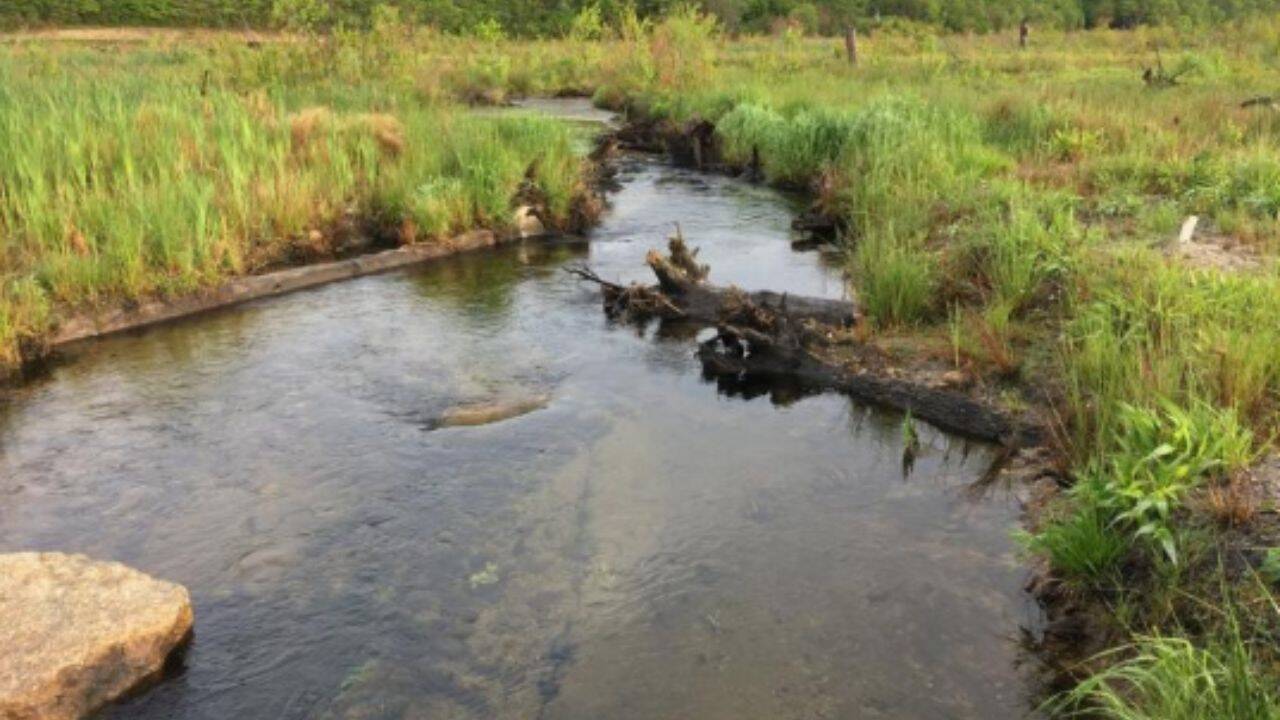
A former cranberry farm in Plymouth, Massachusetts, has undergone a significant transformation into a thriving freshwater wetland. The restoration project, which started in 2010, aimed to revive the natural ecosystem of the area.
The project involved restoring 225 acres of wetland and over three miles of stream habitat. This included the removal of dams and barriers that had previously disrupted the natural flow of water. As a result, native plants and wildlife have begun to flourish in the area.
One of the most notable outcomes of the restoration project has been the return of thousands of migratory fish. Species such as alewife and blueback herring have been able to reach areas that were previously inaccessible to them for over 100 years. This is a significant milestone for the project, as it indicates a substantial improvement in the overall health of the ecosystem.
The restoration of the wetland has also had a positive impact on the local environment. The removal of dams and barriers has allowed for a more natural flow of water, which has helped to reduce the risk of flooding and improve water quality. Additionally, the reintroduction of native plants and wildlife has helped to maintain a balance in the ecosystem.
The project is an example of how restoration work can have a positive impact on the environment. By restoring natural habitats and removing obstacles, it is possible to revive ecosystems that had previously been disrupted. This can have a range of benefits, including improved biodiversity, better water quality, and enhanced ecosystem services.
The return of the migratory fish is a significant indicator of the project's success. It demonstrates that the restoration work has been effective in creating a thriving ecosystem that can support a wide range of plant and animal species. As the project continues to evolve, it is likely that even more species will begin to inhabit the area.
The transformation of the former cranberry farm into a thriving wetland is a testament to the power of restoration work. With careful planning and execution, it is possible to revive even the most degraded ecosystems. This project serves as a model for similar restoration efforts in other areas, and highlights the importance of preserving and protecting natural habitats.
In terms of its significance, the restoration of the wetland has important implications for the local environment and ecosystem. It demonstrates the potential for restoration work to have a positive impact on the environment, and highlights the importance of preserving natural habitats. The project also serves as a reminder of the importance of protecting and preserving ecosystems, and the potential consequences of neglecting or degrading them.
The success of the project is a result of the collaborative efforts of various stakeholders, including local communities, conservation organizations, and government agencies. The project's outcome is a testament to the effectiveness of restoration work in reviving degraded ecosystems and promoting biodiversity.
The restoration of the Massachusetts cranberry farm to a wetland is a significant achievement, with important implications for the local environment and ecosystem. The project's success demonstrates the potential for restoration work to have a positive impact on the environment, and highlights the importance of preserving and protecting natural habitats.
The project's impact on the local ecosystem is likely to be long-lasting, with the potential to support a wide range of plant and animal species. The return of the migratory fish is a significant indicator of the project's success, and demonstrates the effectiveness of restoration work in reviving degraded ecosystems.
In conclusion, the restoration of the former cranberry farm in Massachusetts is a significant achievement, with important implications for the local environment and ecosystem. The project's success demonstrates the potential for restoration work to have a positive impact on the environment, and highlights the importance of preserving and protecting natural habitats.
Frequently asked questions
What was the outcome of the restoration project in Massachusetts?
The project restored 225 acres of wetland and over three miles of stream habitat, and thousands of migratory fish returned to the area.
What type of fish returned to the area after the restoration project?
Thousands of migratory fish, including alewife and blueback herring, returned to the area.