Police Clash with Protesters Near Parliament
Protesters and police clash, several detained. CJP march faces resistance.
'%3E%3Crect%20width%3D'96'%20height%3D'96'%20fill%3D'%231A5276'%2F%3E%3Ccircle%20cx%3D'30'%20cy%3D'24'%20r%3D'44'%20fill%3D'%23fff'%20opacity%3D'.12'%2F%3E%3Ccircle%20cx%3D'60'%20cy%3D'74'%20r%3D'40'%20fill%3D'%23000'%20opacity%3D'.10'%2F%3E%3C%2Fg%3E%3Cg%20fill%3D'%23fff'%3E%3Cpath%20d%3D'M31%2041%20L48%2031%20L65%2041%20Z'%2F%3E%3Crect%20x%3D'33'%20y%3D'43'%20width%3D'4'%20height%3D'17'%2F%3E%3Crect%20x%3D'41'%20y%3D'43'%20width%3D'4'%20height%3D'17'%2F%3E%3Crect%20x%3D'51'%20y%3D'43'%20width%3D'4'%20height%3D'17'%2F%3E%3Crect%20x%3D'59'%20y%3D'43'%20width%3D'4'%20height%3D'17'%2F%3E%3Crect%20x%3D'30'%20y%3D'62'%20width%3D'36'%20height%3D'4'%20rx%3D'1'%2F%3E%3C%2Fg%3E%3C%2Fsvg%3E)
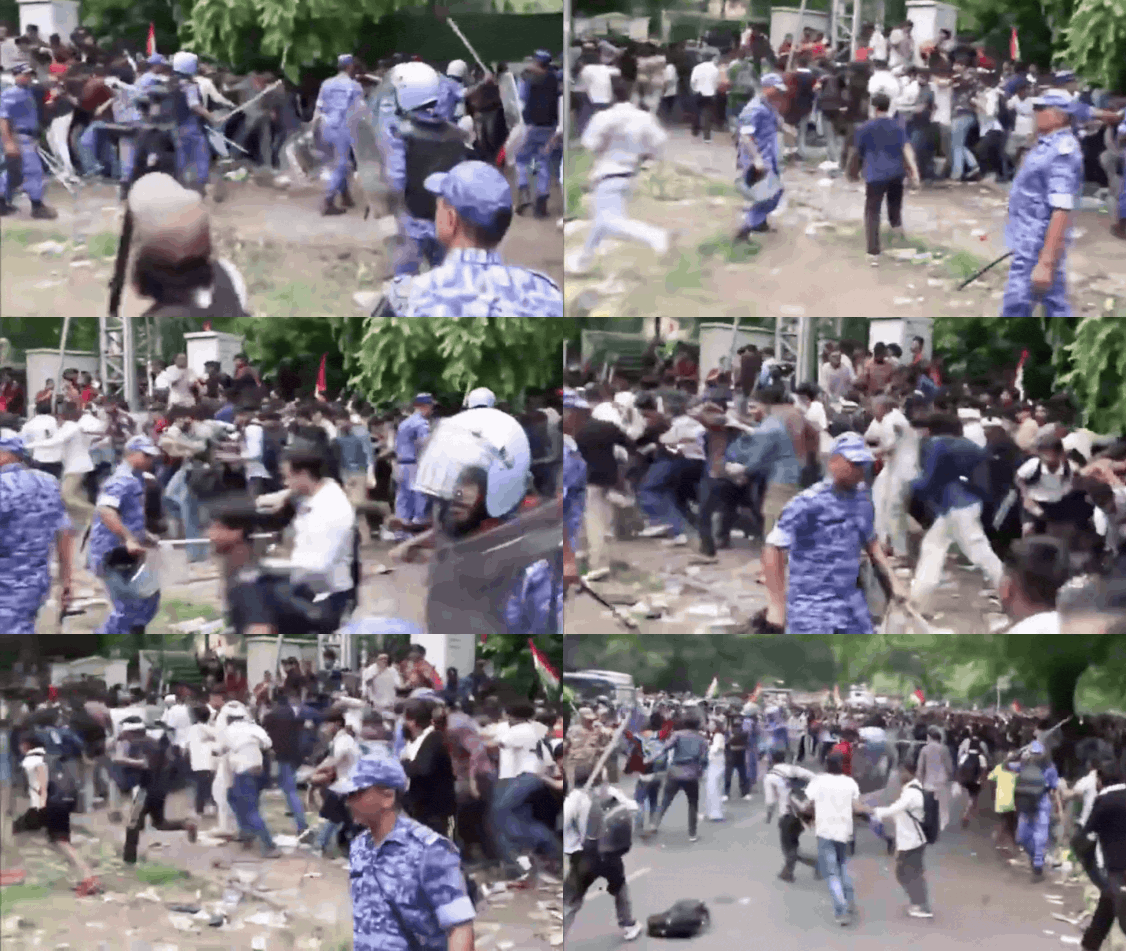
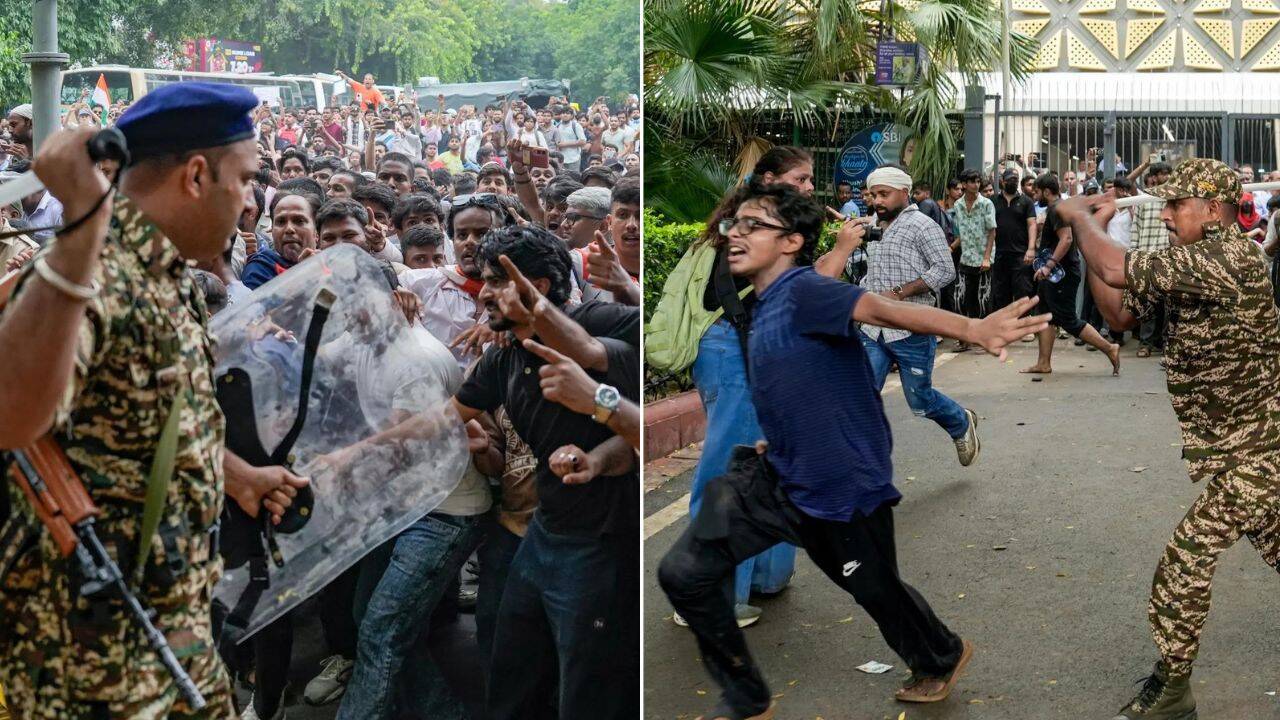
A major confrontation erupted on Monday near Jantar Mantar in New Delhi as protesters attempting to march towards Parliament were met with police force. The protesters, part of the CJP march, defied prohibitory orders that were in place due to the ongoing Monsoon Session.
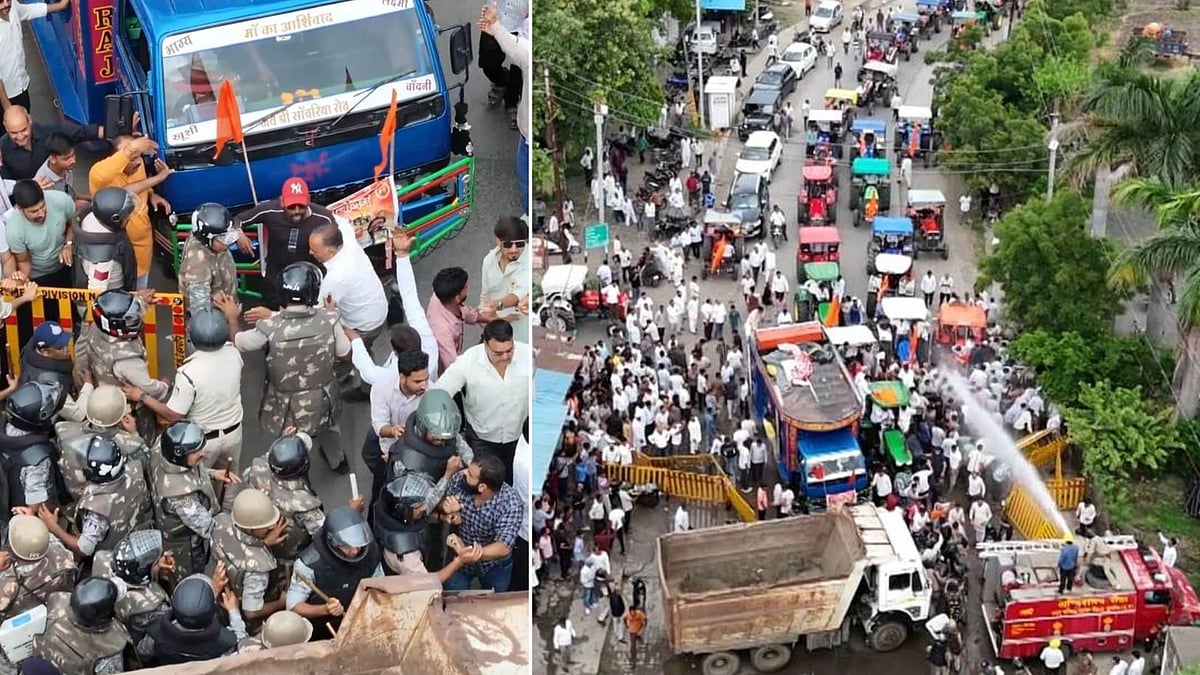
The situation escalated when the protesters, who were demanding examination reforms, tried to push past the security barricades. Police and RAF personnel responded with lathicharges in an attempt to disperse the crowd. Several protesters were detained during the clash.
Notable figures such as Chandra Shekhar Azad and Prakash Raj have come out in support of the agitators, adding weight to the protest. Despite the tense situation, the CJP has indicated its willingness to engage in talks with the government regarding the examination reforms.
The Monsoon Session of Parliament has seen heightened security measures across the New Delhi district. The government's decision to impose prohibitory orders was aimed at maintaining law and order during this period. However, the determination of the protesters to have their voices heard has led to this confrontation.
The CJP's demand for examination reforms is part of a broader movement seeking changes in the education sector. The organization believes that the current system is flawed and needs overhaul. By marching towards Parliament, the protesters aimed to draw the attention of lawmakers to their cause.
The use of force by the police has raised questions about the balance between maintaining law and order and respecting the right to protest. While the government has the responsibility to ensure public safety, protesters also have the right to express their grievances peacefully.
As the situation continues to unfold, it remains to be seen how the government will respond to the CJP's demands. The organization's openness to talks suggests that there could be a peaceful resolution to the standoff. However, the willingness of the government to engage in meaningful dialogue will be crucial in determining the outcome.
The incident highlights the ongoing tensions between the government and various groups demanding reforms. It also underscores the importance of finding peaceful and democratic means of resolving differences. For the protesters, the march towards Parliament was a last resort to bring attention to their cause. The government's response will be closely watched in the coming days.
In the broader context, this protest is part of a larger narrative of discontent with certain policies and the desire for reform. The government faces the challenge of addressing these grievances while maintaining public order. The outcome of this situation will have implications for how future protests are handled and the extent to which the government is willing to listen to and act upon the demands of its citizens.
The significance of this event lies in its reflection of the complex interplay between the right to protest, the need for law and order, and the government's responsibility to listen to its citizens. As India continues to navigate its democratic journey, incidents like these will shape the discourse on civil liberties and the role of the government in addressing public grievances.