Trump Orders Strike on Iran if Assassinated
Trump reveals plans for massive military response, dismisses Israeli intel reports.

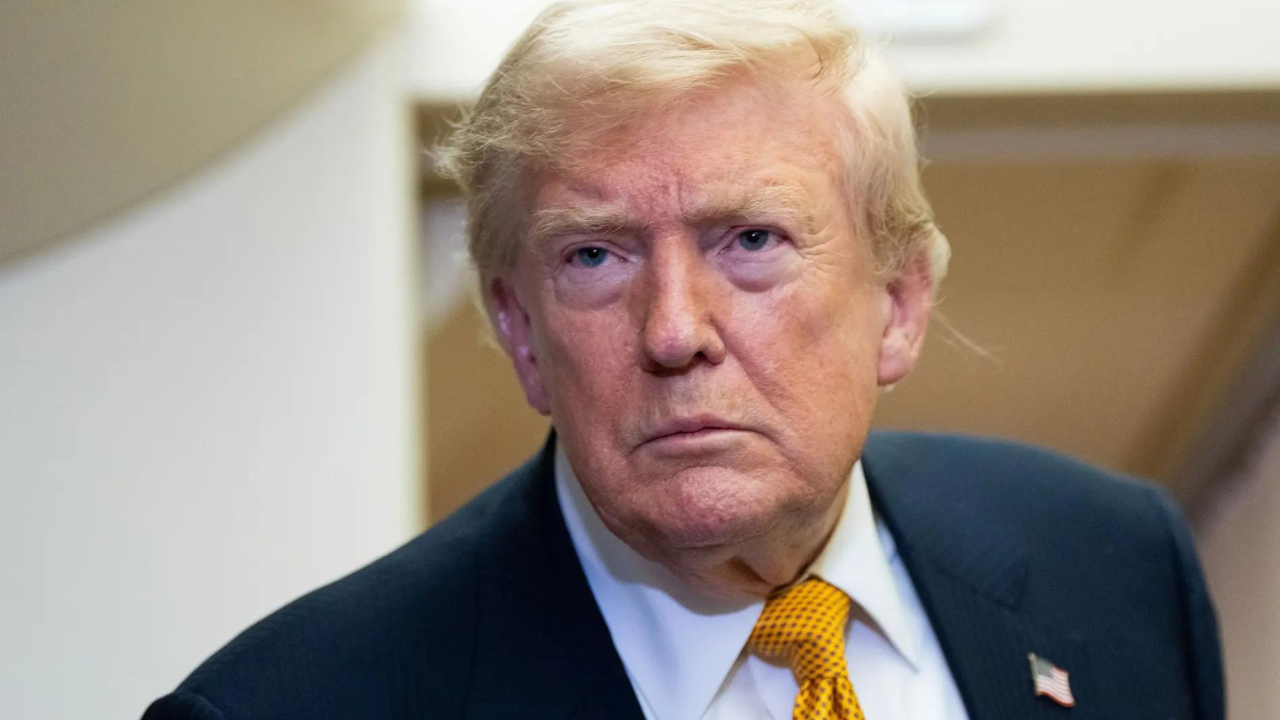
President Donald Trump has announced that he has given instructions for a massive military response against Iran if the country attempts to assassinate him. This statement comes amidst ongoing tensions between the US and Iran, which have been heightened since the killing of top Iranian military commander Qassem Soleimani.
Trump has dismissed reports of new Israeli intelligence suggesting a specific Iranian plot to target him. Despite this, US officials believe that Israeli intelligence could play a significant role in shaping decisions on potential military action against Iran. The US has been on high alert for possible Iranian retaliation since Soleimani's death.
The situation between the US and Iran remains volatile, with both countries engaging in a war of words and diplomatic maneuvers. Iran has long sought revenge for the killing of Soleimani, who was a key figure in the country's military establishment. The US, on the other hand, has been pushing for a tougher stance against Iran, citing concerns over its nuclear program and regional influence.
Despite the tensions, Qatar has reiterated its commitment to pursuing diplomatic efforts to resolve the crisis. The country has been playing a key role in mediating between the US and Iran, and its efforts have been seen as a beacon of hope in an otherwise volatile region.
The US-Iran standoff has significant implications for global security and stability. The region has been on edge since the killing of Soleimani, with many countries calling for restraint and diplomacy. The international community is watching the situation closely, with many fearing that a miscalculation could lead to a wider conflict.
In recent months, the US has imposed tough sanctions on Iran, citing its nuclear program and human rights record. Iran, on the other hand, has been accused of sponsoring terrorism and destabilizing the region. The country has denied these allegations, saying that it is being unfairly targeted by the US and its allies.
As the situation continues to unfold, one thing is clear: the US and Iran are engaged in a high-stakes game of cat and mouse, with the potential for miscalculation and conflict hanging precariously in the balance. The international community can only hope that diplomacy and restraint will prevail, and that a wider conflict can be avoided.
The US-Iran crisis has also raised questions about the role of intelligence in shaping military decisions. The Israeli intelligence reports that Trump dismissed have been seen as a significant factor in shaping US policy towards Iran. However, the accuracy and reliability of these reports have been questioned by some experts, who argue that they may be exaggerated or misleading.
In conclusion, the situation between the US and Iran remains highly volatile, with both countries engaging in a war of words and diplomatic maneuvers. While Qatar's efforts to pursue diplomatic solutions are welcome, the risk of miscalculation and conflict remains high. The international community can only hope that restraint and diplomacy will prevail, and that a wider conflict can be avoided.