India Notifies Import Rules For UK Cars
India sets rules for importing UK cars with lower duties. Quota system to apply from July 15.

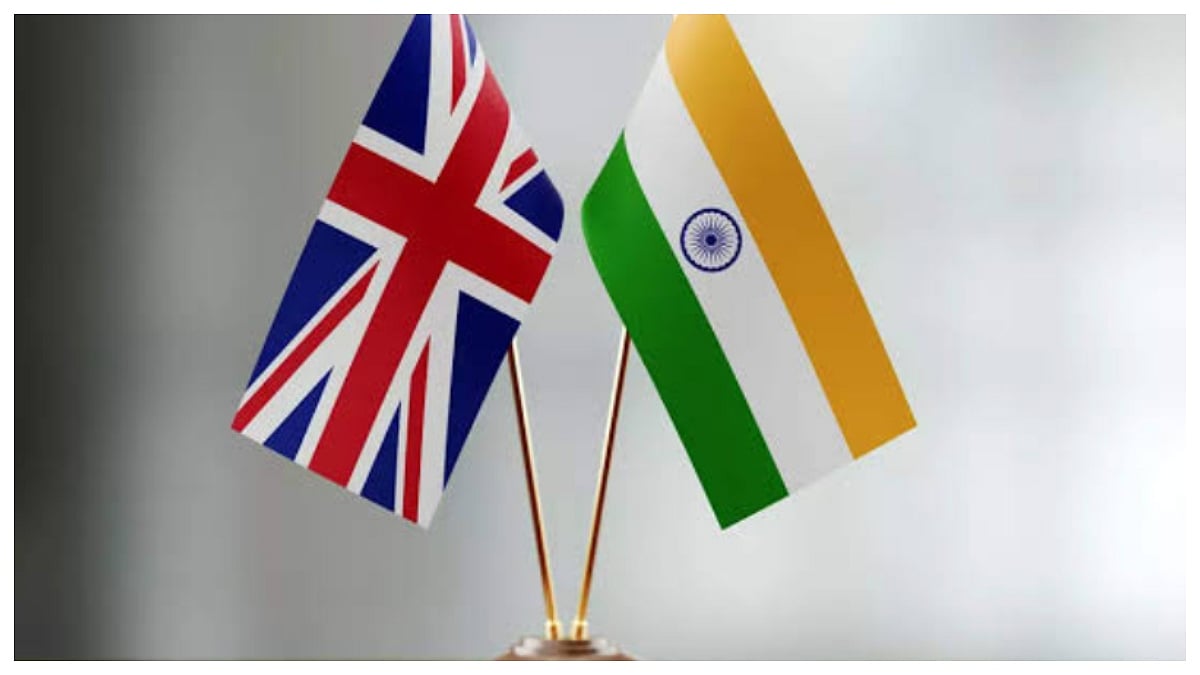
India has notified the framework for importing passenger cars and goods vehicles from the UK at concessional customs duties under the India-UK Comprehensive Economic Trade Agreement.
The agreement, which comes into effect from July 15, will allow eligible UK-origin vehicles to enter India at reduced customs duties within specified annual limits. The Directorate General of Foreign Trade has issued procedures for importers seeking tariff rate quota benefits under the agreement.
Under the trade pact, India will gradually reduce import duties on select automobile imports from the UK from around 110% to 10% over a phased period, subject to quota restrictions. India will permit imports of up to 3.78 lakh conventional-engine passenger cars from the UK at concessional duty rates during the first 15 years of the agreement.
Only original equipment manufacturers and dealers or channel partners authorised by vehicle manufacturers in the UK will be eligible to apply for TRQ allocations. Applicants will also need to submit a Certificate of Origin issued by UK authorities along with a pre-purchase agreement from a UK-based OEM mentioning the number of vehicles proposed to be supplied during the TRQ period.
The DGFT said TRQ certificates will be issued based on available quota limits and no additional certificates will be granted once the allocated quantity is exhausted. The certificates will remain valid for up to 12 months or until the end of the relevant calendar year, whichever is earlier.
Importers benefiting from the quota have also been advised to pass on the advantage of lower customs duties to customers. The annual quota for conventional-engine passenger vehicles will increase gradually, reaching 37,000 units by the fifth year of the agreement.
In the first year, India will allow imports of 20,000 passenger cars across various engine categories. For larger-engine vehicles, customs duties will fall to 30% from 110%, while duties on mid-sized and mass-market petrol and diesel cars will reduce to 50% from 66%.
However, India has retained safeguards for domestic manufacturers by keeping vehicles priced below GBP 40,000 outside the duty concession framework. The agreement also excludes electric, hybrid and hydrogen-powered passenger vehicles from duty benefits during the first five years.
From the sixth year onwards, concessional duties will be available for higher-priced vehicles under specified quotas. The move marks a major step in implementing the India-UK trade agreement while balancing greater market access with protection for India’s automotive industry.
This development is expected to have a significant impact on the Indian automotive industry, with major players like JLR already cutting prices of their UK-built models by up to ₹75 lakh for the India market ahead of the FTA implementation.
The implementation of the India-UK trade agreement is a significant step towards increasing trade between the two countries, and the notification of import rules for UK cars is a major milestone in this process. It will be interesting to see how the Indian automotive industry responds to these changes and how it will affect the market in the coming years.
In terms of significance for India, this agreement is a major step towards increasing trade and investment between India and the UK. It is expected to have a positive impact on the Indian economy, particularly the automotive industry, and will provide Indian consumers with more options and better prices for cars.
Overall, the notification of import rules for UK cars under the India-UK trade agreement is a significant development that will have a major impact on the Indian automotive industry and the economy as a whole. It will be important to monitor the implementation of this agreement and its effects on the market in the coming years.