Kerala Islamic Scholar's Remarks On Women Spark Backlash
Kerala Islamic scholar sparks controversy, political backlash with remarks on women's role in public life.
'%3E%3Crect%20width%3D'96'%20height%3D'96'%20fill%3D'%231A5276'%2F%3E%3Ccircle%20cx%3D'30'%20cy%3D'24'%20r%3D'44'%20fill%3D'%23fff'%20opacity%3D'.12'%2F%3E%3Ccircle%20cx%3D'60'%20cy%3D'74'%20r%3D'40'%20fill%3D'%23000'%20opacity%3D'.10'%2F%3E%3C%2Fg%3E%3Cg%20fill%3D'%23fff'%3E%3Cpath%20d%3D'M31%2041%20L48%2031%20L65%2041%20Z'%2F%3E%3Crect%20x%3D'33'%20y%3D'43'%20width%3D'4'%20height%3D'17'%2F%3E%3Crect%20x%3D'41'%20y%3D'43'%20width%3D'4'%20height%3D'17'%2F%3E%3Crect%20x%3D'51'%20y%3D'43'%20width%3D'4'%20height%3D'17'%2F%3E%3Crect%20x%3D'59'%20y%3D'43'%20width%3D'4'%20height%3D'17'%2F%3E%3Crect%20x%3D'30'%20y%3D'62'%20width%3D'36'%20height%3D'4'%20rx%3D'1'%2F%3E%3C%2Fg%3E%3C%2Fsvg%3E)
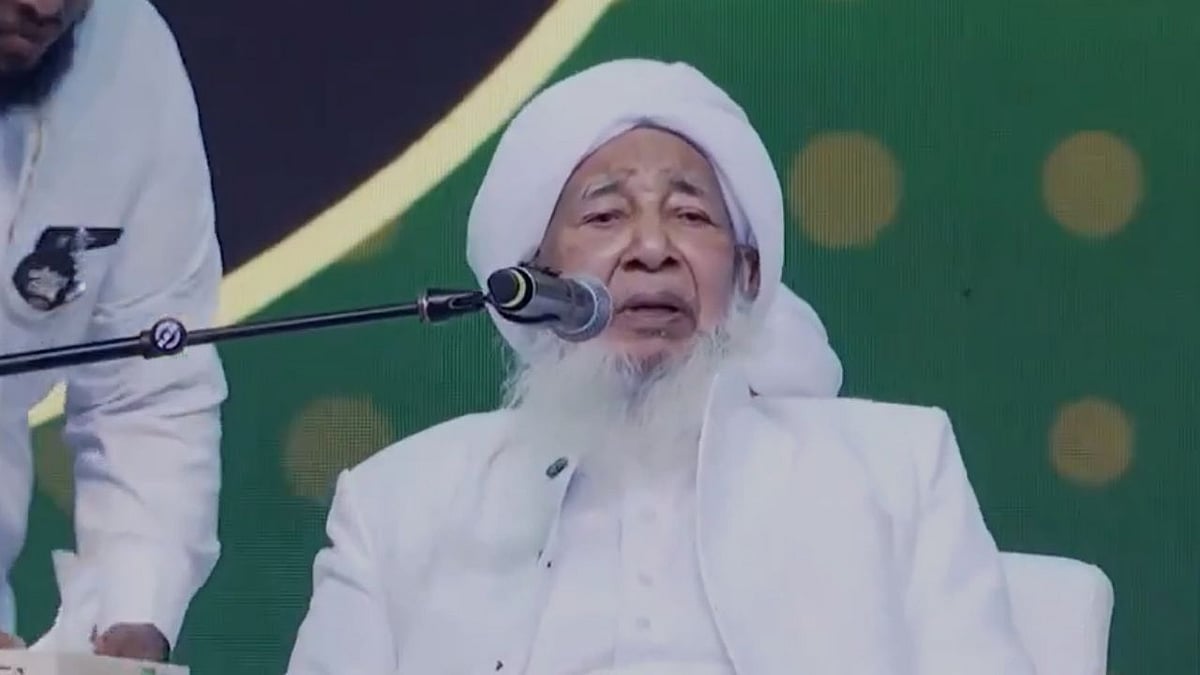
Kanthapuram A.P. Aboobacker Musliyar, a prominent Kerala Islamic scholar, has triggered a political and public backlash after stating that women should remain confined to their homes and not enter the public sphere.
Speaking at the Hubbul Rasool conference in Kochi on Sunday, August 30, Musliyar argued that bringing women onto public platforms could lead to 'great destruction' and said Islam had prescribed purdah, or seclusion and veiling, as a safeguard. He compared women to a gold necklace that should be kept safely inside a box to preserve its beauty and value.
Musliyar's comments came days after a circular issued by the Kanthapuram faction of the Samastha Kerala Jamiyyathul Ulama, which directed that women should not share stages with men or appear alongside men in public spaces during religious celebrations and programmes. The circular was signed by Samastha president E. Sulaiman Musliyar and Kanthapuram.
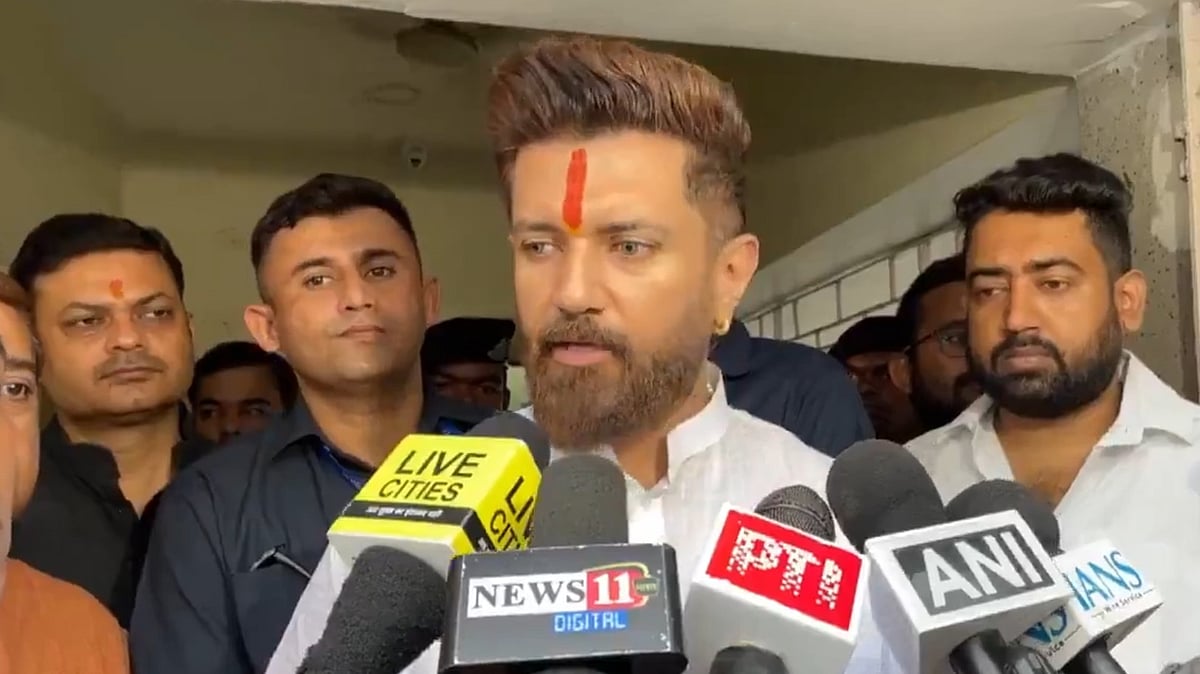
The remarks have drawn sharp criticism from political leaders in Kerala, including CPI(M) leaders and women politicians, who described them as derogatory, misogynistic, and regressive. Kerala Labour Minister Bindu Krishna said such views could push women 'centuries back' and argued that they were incompatible with constitutional equality and women's freedom to participate in public life.
The controversy has intensified the debate over the role of religious institutions in determining women's participation in Kerala's public and social life. The criticism has also brought renewed focus on the tension between religious prescriptions and constitutional guarantees of equality and individual freedom.
Musliyar maintained that the position was intended to protect women's 'honour and dignity' and said Samastha scholars had been teaching this view for around 100 years. He also said religious scholars had a responsibility to continue preaching these principles despite criticism.
The backlash against Musliyar's remarks is a significant development in the ongoing debate about women's rights and religious freedom in India. The controversy highlights the challenges of balancing individual freedoms with religious and cultural traditions.
In conclusion, the remarks made by Kanthapuram A.P. Aboobacker Musliyar have sparked a significant controversy in Kerala, with many criticizing his views as outdated and misogynistic. The debate is likely to continue, with many arguing that women's rights and freedoms should be protected and promoted, rather than restricted by religious or cultural traditions.
The incident also raises questions about the role of religious institutions in shaping public discourse and policy in India. As the country continues to evolve and grow, it is essential to ensure that individual freedoms and rights are protected and promoted, while also respecting and preserving cultural and religious traditions.
The controversy surrounding Musliyar's remarks is a reminder that the struggle for women's rights and equality is ongoing, and that there is still much work to be done to achieve true equality and freedom for women in India.
Frequently asked questions
What did Kanthapuram A.P. Aboobacker Musliyar say about women's role in public life?
He said women should remain confined to their homes and not enter the public sphere, as it could lead to 'great destruction'.
Why did Musliyar's remarks draw criticism from political leaders?
His views were described as derogatory, misogynistic, and regressive, and were seen as incompatible with constitutional equality and women's freedom to participate in public life.