Rio Uses Salon Hair to Protect Mangroves from Oil
Discarded hair absorbs oil, aids mangrove recovery. Innovative project in Guanabara Bay.
'%3E%3Crect%20width%3D'96'%20height%3D'96'%20fill%3D'%23B3261E'%2F%3E%3Ccircle%20cx%3D'30'%20cy%3D'24'%20r%3D'44'%20fill%3D'%23fff'%20opacity%3D'.12'%2F%3E%3Ccircle%20cx%3D'60'%20cy%3D'74'%20r%3D'40'%20fill%3D'%23000'%20opacity%3D'.10'%2F%3E%3C%2Fg%3E%3Cg%20fill%3D'%23fff'%3E%3Crect%20x%3D'29'%20y%3D'49'%20width%3D'8'%20height%3D'19'%20rx%3D'1'%2F%3E%3Crect%20x%3D'39'%20y%3D'40'%20width%3D'9'%20height%3D'28'%20rx%3D'1'%2F%3E%3Crect%20x%3D'50'%20y%3D'45'%20width%3D'8'%20height%3D'23'%20rx%3D'1'%2F%3E%3Crect%20x%3D'60'%20y%3D'53'%20width%3D'7'%20height%3D'15'%20rx%3D'1'%2F%3E%3Crect%20x%3D'41'%20y%3D'34'%20width%3D'5'%20height%3D'6'%2F%3E%3C%2Fg%3E%3C%2Fsvg%3E)
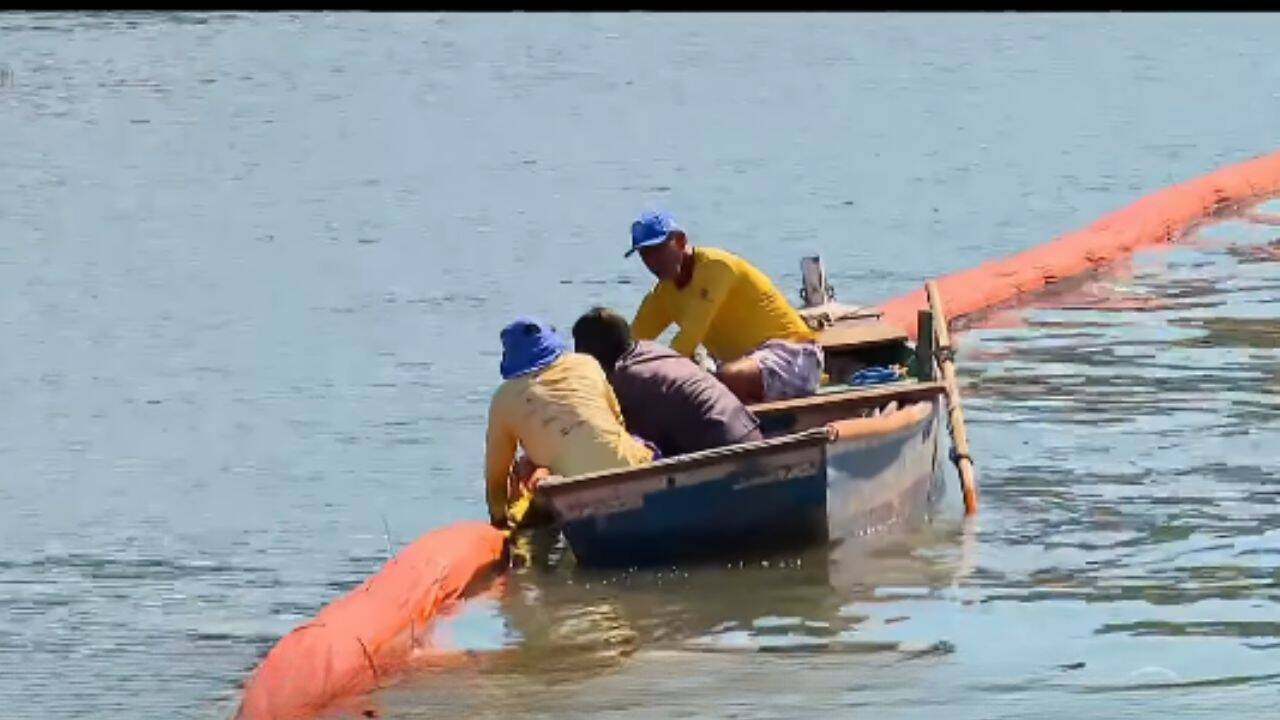
In a unique initiative, discarded human hair from salons in Rio de Janeiro is being used to create barriers that protect mangroves in Guanabara Bay from oil pollution. The hair, which would otherwise be thrown away, has been found to be highly effective in absorbing oil, with each gram of hair able to absorb approximately five grams of oil. This property allows the hair barriers to repel water and remain effective for up to four months in the water.
The project aims to mitigate the impact of chronic and everyday oil leaks on the vulnerable mangrove ecosystems in the bay. Mangroves are an essential part of the marine ecosystem, providing a habitat for numerous species of plants and animals. However, they are highly susceptible to damage from oil pollution, which can have devastating effects on the environment.
The use of discarded hair to create oil-absorbing barriers is an innovative solution to this problem. The hair is collected from salons and then processed into long, sausage-like barriers that can be deployed in the water. These barriers are designed to absorb oil and prevent it from reaching the mangroves, thereby protecting them from damage.
The initiative is part of a broader effort to aid the recovery of the bay's marine life. Guanabara Bay has been plagued by pollution and environmental degradation for many years, and the project is seen as a step towards restoring the health of the ecosystem. By using a waste product to create a solution to an environmental problem, the project is also helping to reduce waste and promote sustainability.
The effectiveness of the hair barriers has been proven in tests, which have shown that they can absorb significant amounts of oil and remain effective for several months. The project has the potential to be replicated in other locations where mangroves are at risk from oil pollution, and could provide a valuable tool in the fight against environmental degradation.
The use of innovative solutions like this is crucial in the fight against pollution and environmental degradation. By thinking outside the box and finding new uses for waste products, it is possible to create effective solutions to complex problems. The project in Guanabara Bay is a prime example of this, and demonstrates the potential for creative thinking to make a positive impact on the environment.
In conclusion, the use of discarded salon hair to protect mangroves from oil pollution in Guanabara Bay is a highly innovative and effective solution. The project has the potential to make a significant positive impact on the environment, and could provide a valuable tool in the fight against pollution and environmental degradation.
The success of this project could have significant implications for the health of marine ecosystems around the world. By providing a cost-effective and sustainable solution to the problem of oil pollution, the project could help to protect vulnerable ecosystems and promote the recovery of marine life. As the world continues to grapple with the challenges of environmental degradation and pollution, innovative solutions like this will be essential in the fight to protect the planet.
Frequently asked questions
What is the purpose of using discarded hair in Guanabara Bay?
The purpose is to create barriers that protect mangroves from oil pollution.
How long can the hair barriers remain effective in the water?
The hair barriers can remain effective for up to four months in the water.