Mumbai Redevelopment Yields Valuable Materials
Mumbai's redevelopment boom can reduce waste, experts say. Demolition debris can be reused in new projects.

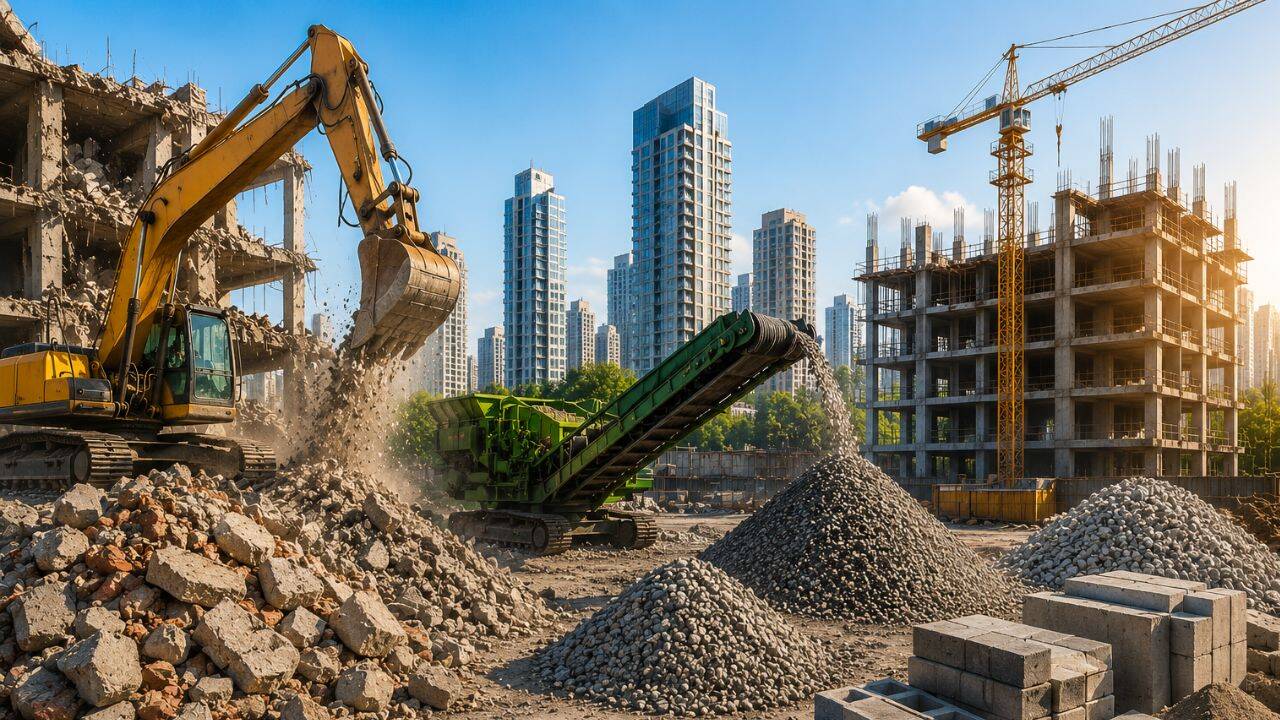
Mumbai is currently undergoing an extensive redevelopment drive, with numerous old buildings being demolished to make way for new ones. This drive presents a significant opportunity for waste material reuse, according to experts.
The city's redevelopment boom can be viewed as a chance to create a 'materials mine', rather than a debris crisis. By properly segregating waste, it can be processed into recycled aggregates and building components, reducing the pressure on landfills and conserving natural resources.
Experts advocate for a shift in perspective, where demolition debris is seen as a valuable resource for new construction projects. This approach can contribute to sustainable urban growth, reducing the need for extracting and processing raw materials from natural sources.
In the future, buildings in Mumbai may increasingly utilize materials from demolished structures. This can include recycled concrete aggregates, which can be used as a substitute for natural aggregates in construction. The use of recycled materials can also help reduce the carbon footprint of new buildings.
The concept of reusing demolition debris is not new, but it has gained significant traction in recent years. With the increasing focus on sustainability and reducing waste, Mumbai's redevelopment drive can set an example for other cities to follow.
The city's authorities and developers are being encouraged to adopt sustainable practices and explore the potential of recycled materials. By doing so, they can reduce the environmental impact of their projects and create more sustainable buildings.
Mumbai's redevelopment boom is expected to continue in the coming years, with many old buildings being redeveloped into new residential and commercial complexes. As the city grows and develops, it is essential to adopt sustainable practices and reduce waste.
The use of recycled materials in construction can also help reduce the cost of building projects. By using locally sourced recycled materials, developers can reduce transportation costs and minimize the need for extracting and processing raw materials.
In conclusion, Mumbai's redevelopment drive presents a significant opportunity for waste material reuse. By adopting sustainable practices and exploring the potential of recycled materials, the city can reduce its environmental impact and create more sustainable buildings.
The future of Mumbai's construction industry looks promising, with a growing focus on sustainability and reducing waste. As the city continues to grow and develop, it is likely that we will see more buildings made from recycled materials, reducing the need for landfills and conserving natural resources.
This shift towards sustainable construction practices can have a significant impact on the city's environment and contribute to a more sustainable future for Mumbai.