Bombay HC Rules Waiting At Police Station Is Not Arrest
Court dismisses petition, says waiting does not mean arrest. No illegal detention found.
'%3E%3Crect%20width%3D'96'%20height%3D'96'%20fill%3D'%23B3261E'%2F%3E%3Ccircle%20cx%3D'30'%20cy%3D'24'%20r%3D'44'%20fill%3D'%23fff'%20opacity%3D'.12'%2F%3E%3Ccircle%20cx%3D'60'%20cy%3D'74'%20r%3D'40'%20fill%3D'%23000'%20opacity%3D'.10'%2F%3E%3C%2Fg%3E%3Cg%20fill%3D'%23fff'%3E%3Crect%20x%3D'29'%20y%3D'49'%20width%3D'8'%20height%3D'19'%20rx%3D'1'%2F%3E%3Crect%20x%3D'39'%20y%3D'40'%20width%3D'9'%20height%3D'28'%20rx%3D'1'%2F%3E%3Crect%20x%3D'50'%20y%3D'45'%20width%3D'8'%20height%3D'23'%20rx%3D'1'%2F%3E%3Crect%20x%3D'60'%20y%3D'53'%20width%3D'7'%20height%3D'15'%20rx%3D'1'%2F%3E%3Crect%20x%3D'41'%20y%3D'34'%20width%3D'5'%20height%3D'6'%2F%3E%3C%2Fg%3E%3C%2Fsvg%3E)
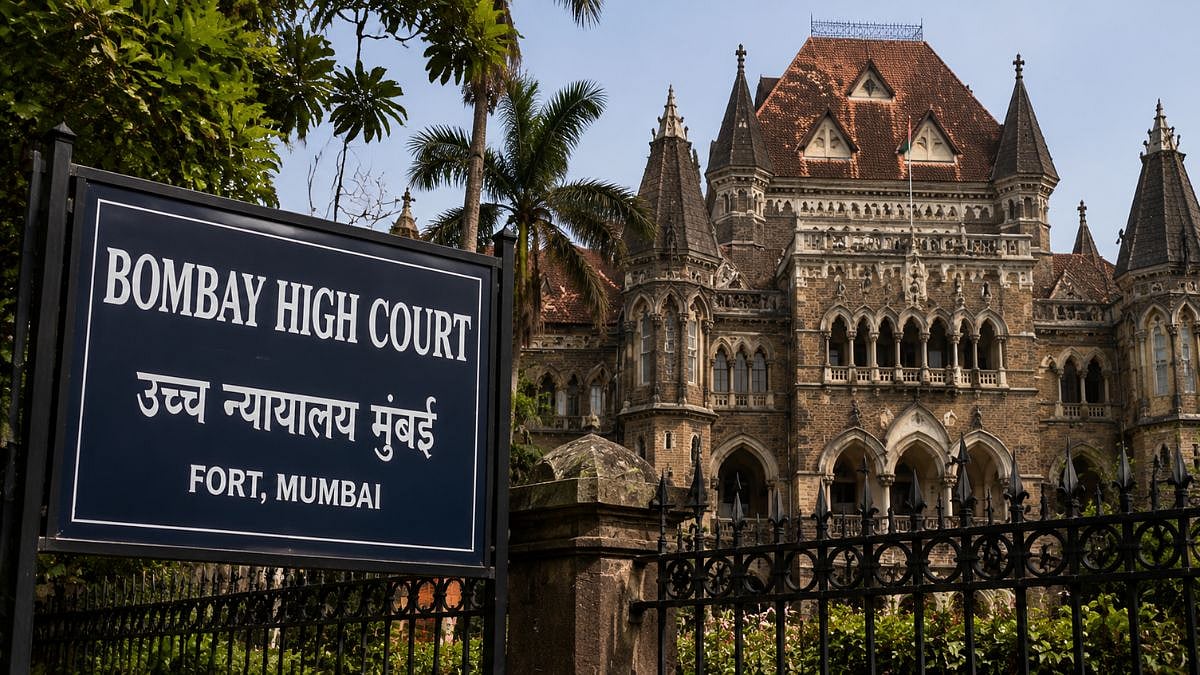
The Bombay High Court has ruled that simply waiting at a police station while the investigating officer is busy does not amount to an arrest. This decision was made in the case of Manohar Pathare, who claimed that the time he spent waiting at the police station should be considered as the period of his arrest.
The court, comprising Justices Sarang Kotwal and R.R. Bhonsale, dismissed Pathare's petition, stating that the police had not restricted his movement or prevented him from contacting his relatives. Pathare had been named as an accused in an FIR registered at Dongri police station in Mumbai on June 4.
The court examined the circumstances of Pathare's arrest and found that he had been called to the police station for an inquiry. The police had neither picked him up from elsewhere nor gone to his home to arrest him. The investigating officer had been busy with another case, where an accused had suffered health problems and had to be taken to hospital.
The court accepted the officer's explanation for not questioning Pathare immediately, finding it reasonable. The judges said that merely making Pathare wait at the police station until the officer became available could not be treated as an arrest.
The court also noted that there was no material to show that Pathare had been prevented from contacting his relatives. In fact, phone records showed that he was in touch with others until around 7:00 p.m. in the evening.
The court emphasized that police officers must have an opportunity to assess an accused's involvement before deciding whether an arrest is necessary. In this case, the court found that the police had taken sufficient precautions before formally arresting Pathare.
The bench accepted the prosecution's case that Pathare was arrested at 8:15 p.m. on June 10, 2026, and was produced before the court within 24 hours. The court held that there was no illegal detention and no violation of Article 22(2) of the Constitution, and declined to grant any relief.
This decision highlights the importance of understanding the nuances of arrest and detention in the Indian legal system. The court's ruling provides clarity on what constitutes an arrest and ensures that the rights of individuals are protected.
The Bombay High Court's decision is significant, as it sets a precedent for similar cases in the future. The court's emphasis on the need for police officers to assess an accused's involvement before making an arrest underscores the importance of due process and the protection of individual rights.
In conclusion, the Bombay High Court's ruling in this case provides important guidance on the issue of arrest and detention. The decision highlights the need for police officers to follow proper procedures and ensures that individuals are protected from arbitrary arrest and detention.
The court's decision is a significant development in the Indian legal system, and it is likely to have implications for similar cases in the future. The ruling emphasizes the importance of upholding the rights of individuals and ensuring that the legal system is fair and just.
The Bombay High Court's decision is a welcome development, as it provides clarity and guidance on the issue of arrest and detention. The court's emphasis on the need for police officers to follow proper procedures and protect individual rights is an important reminder of the importance of upholding the rule of law.
In the end, the court's decision is a significant step forward in ensuring that the Indian legal system is fair, just, and protective of individual rights. The ruling provides important guidance on the issue of arrest and detention and underscores the need for police officers to follow proper procedures.
The decision is also a reminder of the importance of understanding the nuances of the Indian legal system. The court's ruling highlights the need for individuals to be aware of their rights and to seek legal advice if they are facing arrest or detention.
Overall, the Bombay High Court's decision is a significant development in the Indian legal system, and it is likely to have important implications for similar cases in the future. The ruling emphasizes the importance of upholding individual rights and ensuring that the legal system is fair and just.
The court's decision is a welcome development, and it provides important guidance on the issue of arrest and detention. The ruling is a significant step forward in ensuring that the Indian legal system is protective of individual rights and upholds the rule of law.
In conclusion, the Bombay High Court's ruling in this case is a significant development in the Indian legal system. The decision provides important guidance on the issue of arrest and detention and emphasizes the need for police officers to follow proper procedures. The ruling is a welcome development, and it underscores the importance of upholding individual rights and ensuring that the legal system is fair and just.
Frequently asked questions
What does the Bombay High Court's ruling mean for individuals facing arrest?
The ruling means that simply waiting at a police station while the investigating officer is busy does not amount to an arrest. Individuals facing arrest should be aware of their rights and seek legal advice if necessary.
What is the significance of the court's decision?
The decision is significant because it provides clarity on what constitutes an arrest and ensures that the rights of individuals are protected. It also sets a precedent for similar cases in the future.