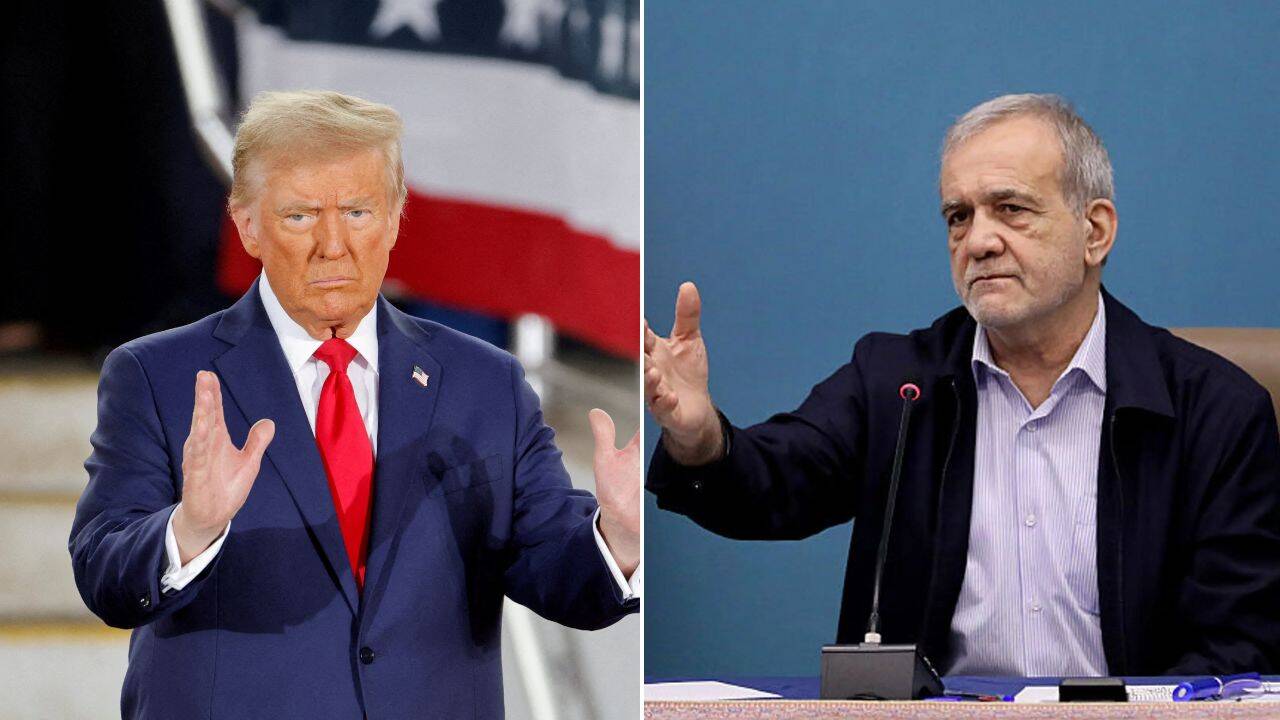
Netanyahu Criticizes UK Over Iran Nuclear Issue
Israel's PM slams UK, Iran nuclear deal sparks tension
'%3E%3Crect%20width%3D'96'%20height%3D'96'%20fill%3D'%234A235A'%2F%3E%3Ccircle%20cx%3D'30'%20cy%3D'24'%20r%3D'44'%20fill%3D'%23fff'%20opacity%3D'.12'%2F%3E%3Ccircle%20cx%3D'60'%20cy%3D'74'%20r%3D'40'%20fill%3D'%23000'%20opacity%3D'.10'%2F%3E%3C%2Fg%3E%3Cg%20fill%3D'none'%20stroke%3D'%23fff'%20stroke-width%3D'3'%3E%3Ccircle%20cx%3D'48'%20cy%3D'48'%20r%3D'16'%2F%3E%3Cellipse%20cx%3D'48'%20cy%3D'48'%20rx%3D'6.5'%20ry%3D'16'%2F%3E%3Cline%20x1%3D'32'%20y1%3D'42'%20x2%3D'64'%20y2%3D'42'%2F%3E%3Cline%20x1%3D'32'%20y1%3D'54'%20x2%3D'64'%20y2%3D'54'%2F%3E%3C%2Fg%3E%3C%2Fsvg%3E)
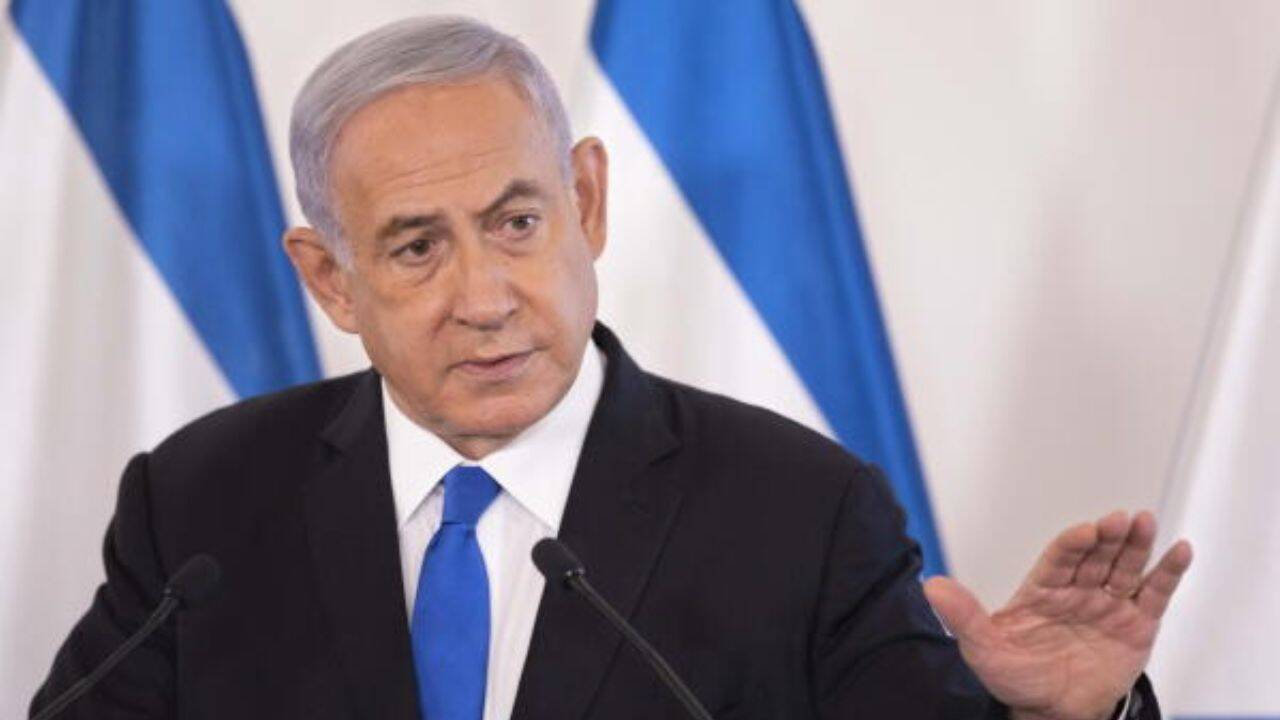
Israeli Prime Minister Benjamin Netanyahu has criticized the United Kingdom over its stance on Iran's nuclear program.
In a recent statement, Netanyahu expressed his concerns about the potential consequences of Iran becoming a nuclear-armed state. He emphasized that Iran could become the first Islamic republic to possess nuclear weapons, which would have significant implications for global security.
Netanyahu's comments come amid ongoing tensions between Iran and Western countries over its nuclear program. The Israeli Prime Minister has been a vocal critic of the Iranian nuclear deal, arguing that it does not do enough to prevent Iran from developing nuclear weapons.
The Iranian nuclear deal, also known as the Joint Comprehensive Plan of Action (JCPOA), was signed in 2015 between Iran, the US, the UK, France, Germany, China, and Russia. The deal aimed to limit Iran's nuclear program in exchange for relief from economic sanctions.
However, the deal has been controversial, with some countries expressing concerns that it does not do enough to prevent Iran from developing nuclear weapons. Netanyahu has been a strong critic of the deal, arguing that it poses a significant threat to Israel's security.
The UK has been a key player in the Iranian nuclear deal, and Netanyahu's criticism is likely to spark tension between the two countries. The UK has maintained that the deal is the best way to prevent Iran from developing nuclear weapons, while Netanyahu argues that it is not enough.
The situation highlights the complex and sensitive nature of the Iranian nuclear issue, with different countries having different opinions on how to address it. As the situation continues to unfold, it remains to be seen how the UK and other countries will respond to Netanyahu's criticism.
The Iranian nuclear program has been a major concern for many countries, including Israel, which sees it as a significant threat to its security. The program has been the subject of intense scrutiny and debate, with some countries arguing that it is intended for peaceful purposes, while others believe that it is aimed at developing nuclear weapons.
In recent years, there have been numerous reports of Iran's nuclear activities, including the development of centrifuges and the enrichment of uranium. These reports have sparked concerns that Iran is moving closer to developing nuclear weapons, which would have significant implications for global security.
As the situation continues to unfold, it is likely that the Iranian nuclear issue will remain a major point of contention between different countries. The UK and other countries will need to navigate this complex issue carefully, taking into account the concerns of all parties involved.
The implications of Iran becoming a nuclear-armed state would be significant, with potential consequences for global security and stability. It is essential that countries work together to address this issue and prevent the proliferation of nuclear weapons.
In conclusion, Netanyahu's criticism of the UK over its stance on Iran's nuclear program highlights the complex and sensitive nature of this issue. As the situation continues to unfold, it remains to be seen how the UK and other countries will respond to Netanyahu's criticism and address the concerns surrounding Iran's nuclear program.
Frequently asked questions
What is the Iranian nuclear deal?
The Iranian nuclear deal, also known as the Joint Comprehensive Plan of Action (JCPOA), is an agreement signed in 2015 between Iran, the US, the UK, France, Germany, China, and Russia to limit Iran's nuclear program in exchange for relief from economic sanctions.
Why is Netanyahu criticizing the UK?
Netanyahu is criticizing the UK over its stance on Iran's nuclear program, arguing that the Iranian nuclear deal does not do enough to prevent Iran from developing nuclear weapons.