BMHRC Issues Advisory on Snakebites
Bhopal's BMHRC warns against traditional rituals, emphasizes first aid and hospital treatment for snakebites.
'%3E%3Crect%20width%3D'96'%20height%3D'96'%20fill%3D'%23B3261E'%2F%3E%3Ccircle%20cx%3D'30'%20cy%3D'24'%20r%3D'44'%20fill%3D'%23fff'%20opacity%3D'.12'%2F%3E%3Ccircle%20cx%3D'60'%20cy%3D'74'%20r%3D'40'%20fill%3D'%23000'%20opacity%3D'.10'%2F%3E%3C%2Fg%3E%3Cg%20fill%3D'%23fff'%3E%3Crect%20x%3D'29'%20y%3D'49'%20width%3D'8'%20height%3D'19'%20rx%3D'1'%2F%3E%3Crect%20x%3D'39'%20y%3D'40'%20width%3D'9'%20height%3D'28'%20rx%3D'1'%2F%3E%3Crect%20x%3D'50'%20y%3D'45'%20width%3D'8'%20height%3D'23'%20rx%3D'1'%2F%3E%3Crect%20x%3D'60'%20y%3D'53'%20width%3D'7'%20height%3D'15'%20rx%3D'1'%2F%3E%3Crect%20x%3D'41'%20y%3D'34'%20width%3D'5'%20height%3D'6'%2F%3E%3C%2Fg%3E%3C%2Fsvg%3E)
A lecture series on snakebites was recently organized by the Hospital Infection Control Team at ICMR-BMHRC in Bhopal, Madhya Pradesh. The event featured a talk by Dr. Lalit Kumar, Head of the Department of Pulmonary Medicine, who stressed the importance of immediate first aid and medical treatment in snakebite cases.
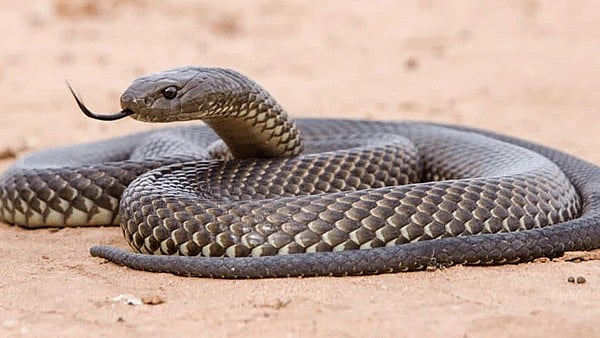
Dr. Lalit Kumar noted that snakebite cases are more common during the monsoon season and that only 50 out of 300 species of snakes are venomous. He identified the Cobra, Common Krait, Russell's Viper, and Saw-scaled Viper as the most common causes of medical concern. Dr. Kumar advised against resorting to traditional rituals or superstitious practices, instead emphasizing the need for immediate medical treatment.
The lecture highlighted the importance of keeping the victim calm and preventing panic, as well as prioritizing immediate transport to the nearest hospital for treatment. Dr. Kumar explained that the only effective treatment for a snakebite is the administration of Anti-Snake Venom (ASV) injections at a hospital, which is effective for victims of all age groups.
Dr. Manisha Srivastava, the Institute's Director-in-Charge, addressed the session and noted that a significant number of deaths due to snakebites occur among farmers in rural areas and populations in tribal-dominated regions. She attributed this to a lack of awareness about treatment and the unavailability of immediate medical facilities.
The Government of India provides anti-snake venom (ASV) free of cost at all government hospitals and Primary/Community Health Centres (PHCs/CHCs). Additionally, there is a provision to provide financial compensation to the family of a snakebite victim under the State Disaster Response Fund (SDRF).
The BMHRC's advisory serves as a reminder of the importance of proper medical treatment in snakebite cases. By emphasizing the need for immediate first aid and hospital treatment, the organization aims to reduce the number of deaths due to snakebites in the region.
The monsoon season is a critical time for snakebite awareness, and the BMHRC's lecture series is a step in the right direction. By educating the public about the dangers of snakebites and the importance of proper medical treatment, the organization can help save lives.
In conclusion, the BMHRC's advisory on snakebites is a crucial reminder of the importance of proper medical treatment in such cases. By prioritizing immediate first aid and hospital treatment, individuals can reduce the risk of serious harm or death from snakebites.
The BMHRC's efforts to raise awareness about snakebites and provide education on proper medical treatment are commendable. As the monsoon season approaches, it is essential for individuals to be aware of the risks associated with snakebites and to take necessary precautions.
Overall, the BMHRC's advisory on snakebites is an important step in promoting public awareness and education on the topic. By emphasizing the need for immediate medical treatment and providing information on proper first aid, the organization can help reduce the number of deaths due to snakebites in the region.
In the context of India, where snakebites are a significant public health concern, the BMHRC's advisory is a timely reminder of the importance of proper medical treatment. The organization's efforts to promote awareness and education on the topic can help save lives and reduce the burden of snakebite-related illnesses on the healthcare system.
In terms of significance, the BMHRC's advisory on snakebites is a crucial reminder of the importance of proper medical treatment in such cases. The organization's efforts to promote awareness and education on the topic can help reduce the number of deaths due to snakebites in the region and promote public health and safety.