Kakoli Recognised as NCPI Chief Whip
Kakoli gets recognition, rebel TMC bloc invited to meet.
'%3E%3Crect%20width%3D'96'%20height%3D'96'%20fill%3D'%231A5276'%2F%3E%3Ccircle%20cx%3D'30'%20cy%3D'24'%20r%3D'44'%20fill%3D'%23fff'%20opacity%3D'.12'%2F%3E%3Ccircle%20cx%3D'60'%20cy%3D'74'%20r%3D'40'%20fill%3D'%23000'%20opacity%3D'.10'%2F%3E%3C%2Fg%3E%3Cg%20fill%3D'%23fff'%3E%3Cpath%20d%3D'M31%2041%20L48%2031%20L65%2041%20Z'%2F%3E%3Crect%20x%3D'33'%20y%3D'43'%20width%3D'4'%20height%3D'17'%2F%3E%3Crect%20x%3D'41'%20y%3D'43'%20width%3D'4'%20height%3D'17'%2F%3E%3Crect%20x%3D'51'%20y%3D'43'%20width%3D'4'%20height%3D'17'%2F%3E%3Crect%20x%3D'59'%20y%3D'43'%20width%3D'4'%20height%3D'17'%2F%3E%3Crect%20x%3D'30'%20y%3D'62'%20width%3D'36'%20height%3D'4'%20rx%3D'1'%2F%3E%3C%2Fg%3E%3C%2Fsvg%3E)
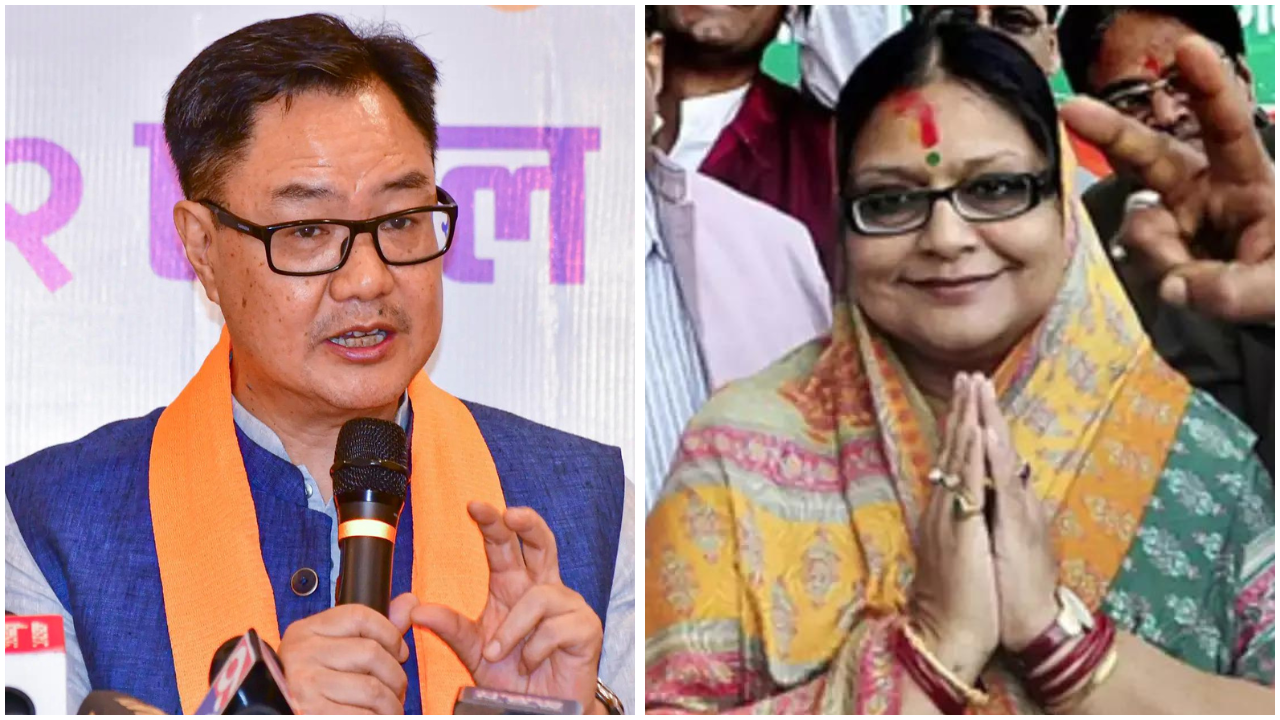
In a significant development, Kakoli has been officially recognised as the chief whip of the Nationalist Congress Party of India (NCPI). This recognition comes as Kiren Rijiju, the Union Law Minister, extends an invitation to the rebel Trinamool Congress (TMC) bloc to attend an all-party meeting.
The invitation to the rebel TMC bloc is seen as a strategic move, aiming to bring together various political parties to discuss key issues. The meeting is expected to facilitate dialogue and cooperation among different political groups.
Kakoli's recognition as the NCPI chief whip is a notable development, as it reflects the party's internal dynamics and decision-making processes. The chief whip plays a crucial role in maintaining party discipline and ensuring the attendance of members during important legislative proceedings.
The Nationalist Congress Party of India (NCPI) is a significant political party in the country, with a strong presence in various states. The party's internal workings and decisions have a substantial impact on the national political landscape.
The rebel TMC bloc, which has been at odds with the parent party, has been actively engaging with other political groups to explore possibilities of cooperation and alliance. The invitation to attend the all-party meeting is likely to be seen as an opportunity for the rebel bloc to strengthen its position and negotiate with other parties.
The all-party meeting, convened by Kiren Rijiju, is expected to discuss various issues of national importance. The meeting will provide a platform for different political parties to exchange views and work towards finding common ground.
In the context of Indian politics, such meetings are crucial in building consensus and facilitating cooperation among different political groups. The recognition of Kakoli as the NCPI chief whip and the invitation to the rebel TMC bloc are significant developments that will be closely watched by political observers and analysts.
The implications of these developments will be far-reaching, with potential impacts on the national political landscape. As the political parties navigate the complex web of alliances and rivalries, the recognition of Kakoli as the NCPI chief whip and the rebel TMC bloc's participation in the all-party meeting will be closely monitored.
In conclusion, the recognition of Kakoli as the NCPI chief whip and the invitation to the rebel TMC bloc to attend the all-party meeting are significant developments in the Indian political landscape. These events reflect the dynamic nature of Indian politics, where alliances are forged and broken, and parties navigate complex relationships to achieve their goals.
The Indian political system is known for its diversity and complexity, with numerous parties and alliances vying for power. The recognition of Kakoli as the NCPI chief whip and the rebel TMC bloc's participation in the all-party meeting will have significant implications for the country's political landscape, as parties and alliances continue to evolve and adapt to changing circumstances.
As the country moves forward, the political parties will need to navigate the challenges of coalition politics, where alliances are crucial in achieving political goals. The recognition of Kakoli as the NCPI chief whip and the invitation to the rebel TMC bloc are significant steps in this direction, reflecting the ongoing efforts of political parties to build alliances and cooperate on key issues.
The future of Indian politics will be shaped by the interactions and relationships among different political parties. The recognition of Kakoli as the NCPI chief whip and the rebel TMC bloc's participation in the all-party meeting are important developments that will contribute to the evolving landscape of Indian politics.
The significance of these developments cannot be overstated, as they reflect the complex and dynamic nature of Indian politics. The recognition of Kakoli as the NCPI chief whip and the invitation to the rebel TMC bloc will have far-reaching implications, shaping the course of Indian politics in the days to come.
The country's political landscape is poised for significant changes, as parties and alliances continue to evolve and adapt to changing circumstances. The recognition of Kakoli as the NCPI chief whip and the rebel TMC bloc's participation in the all-party meeting are crucial developments that will shape the future of Indian politics.
In the end, the recognition of Kakoli as the NCPI chief whip and the invitation to the rebel TMC bloc to attend the all-party meeting will be remembered as significant milestones in the evolution of Indian politics. These developments will have a lasting impact on the country's political landscape, as parties and alliances continue to navigate the complex web of relationships and rivalries.
The impact of these developments will be felt across the country, as political parties and alliances respond to the changing landscape. The recognition of Kakoli as the NCPI chief whip and the rebel TMC bloc's participation in the all-party meeting will be closely watched by political observers and analysts, as they seek to understand the implications of these significant developments.
As the dust settles, the recognition of Kakoli as the NCPI chief whip and the invitation to the rebel TMC bloc will be seen as crucial steps in the evolution of Indian politics. These developments will shape the course of the country's political landscape, as parties and alliances continue to navigate the complex web of relationships and rivalries.
The future of Indian politics is uncertain, but one thing is clear: the recognition of Kakoli as the NCPI chief whip and the rebel TMC bloc's participation in the all-party meeting will have a lasting impact on the country's political landscape. As the country moves forward, the political parties will need to adapt to the changing circumstances, navigating the complex web of alliances and rivalries to achieve their goals.
The recognition of Kakoli as the NCPI chief whip and the invitation to the rebel TMC bloc are significant developments that will be remembered for years to come. These events reflect the dynamic nature of Indian politics, where alliances are forged and broken, and parties navigate complex relationships to achieve their goals.
In the final analysis, the recognition of Kakoli as the NCPI chief whip and the rebel TMC bloc's participation in the all-party meeting are crucial developments that will shape the future of Indian politics. The implications of these events will be far-reaching, with potential impacts on the national political landscape. As the country moves forward, the political parties will need to navigate the challenges of coalition politics, where alliances are crucial in achieving political goals.
The recognition of Kakoli as the NCPI chief whip and the invitation to the rebel TMC bloc are significant steps in this direction, reflecting the ongoing efforts of political parties to build alliances and cooperate on key issues. The future of Indian politics will be shaped by the interactions and relationships among different political parties. The recognition of Kakoli as the NCPI chief whip and the rebel TMC bloc's participation in the all-party meeting are important developments that will contribute to the evolving landscape of Indian politics.
The significance of these developments cannot be overstated, as they reflect the complex and dynamic nature of Indian politics. The recognition of Kakoli as the NCPI chief whip and the invitation to the rebel TMC bloc will have far-reaching implications, shaping the course of Indian politics in the days to come.
The country's political landscape is poised for significant changes, as parties and alliances continue to evolve and adapt to changing circumstances. The recognition of Kakoli as the NCPI chief whip and the rebel TMC bloc's participation in the all-party meeting are crucial developments that will shape the future of Indian politics.
What it means for the country is that the political landscape will continue to evolve, with parties and alliances navigating the complex web of relationships and rivalries to achieve their goals. The recognition of Kakoli as the NCPI chief whip and the invitation to the rebel TMC bloc are significant developments that will have a lasting impact on the country's political landscape.