Nepal Withdraws 3% Equity Tax On Private Education, Health Sectors
Nepal government reverses tax decision after public backlash. Education and health sectors exempt from 3% equity tax.
'%3E%3Crect%20width%3D'96'%20height%3D'96'%20fill%3D'%23B3261E'%2F%3E%3Ccircle%20cx%3D'30'%20cy%3D'24'%20r%3D'44'%20fill%3D'%23fff'%20opacity%3D'.12'%2F%3E%3Ccircle%20cx%3D'60'%20cy%3D'74'%20r%3D'40'%20fill%3D'%23000'%20opacity%3D'.10'%2F%3E%3C%2Fg%3E%3Cg%20fill%3D'%23fff'%3E%3Crect%20x%3D'29'%20y%3D'49'%20width%3D'8'%20height%3D'19'%20rx%3D'1'%2F%3E%3Crect%20x%3D'39'%20y%3D'40'%20width%3D'9'%20height%3D'28'%20rx%3D'1'%2F%3E%3Crect%20x%3D'50'%20y%3D'45'%20width%3D'8'%20height%3D'23'%20rx%3D'1'%2F%3E%3Crect%20x%3D'60'%20y%3D'53'%20width%3D'7'%20height%3D'15'%20rx%3D'1'%2F%3E%3Crect%20x%3D'41'%20y%3D'34'%20width%3D'5'%20height%3D'6'%2F%3E%3C%2Fg%3E%3C%2Fsvg%3E)
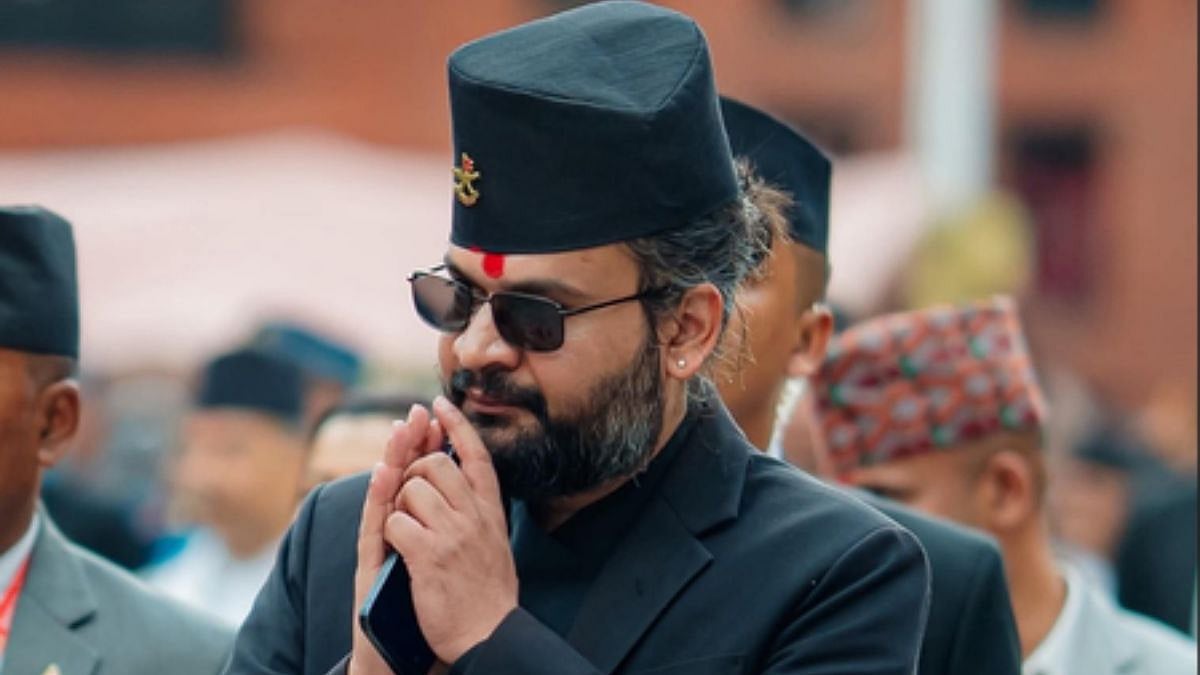
The Nepal government has withdrawn the 3% equity tax imposed on the private education and health sectors. This decision was made after widespread public criticism over the measure, which was introduced in last month's budget for the new fiscal year and came into effect on July 17.
Prime Minister Balendra Shah announced the decision on social media, stating that the government had taken note of public feedback and decided to suspend the implementation of the tax. The tax was introduced to broaden the tax base and make the economy more organised, but it raised concerns about an additional financial burden on the public.
The proposal had drawn criticism from citizens, the media, and political parties. The government's decision to withdraw the tax is seen as a response to public concerns. Prime Minister Shah said that the government is people-centred and committed to addressing public concerns while pursuing the goal of building an equitable society.
The main opposition Nepali Congress has welcomed the decision and urged the government to also withdraw the 5% value-added tax (VAT) on household electricity consumption, which came into effect in the current fiscal year. The VAT was announced last month on household electricity consumption exceeding 50 units a month, triggering widespread criticism.
The Nepali Congress Parliamentary Party leader, Bhishma Angdambe, said that electricity is no longer a luxury but a basic necessity, and it is not appropriate to impose additional tax on household electricity consumption. He urged the government to immediately withdraw the tax and instead encourage greater use of electricity by households.
The government's decision to withdraw the equity tax on private education and health sectors is seen as a positive step towards addressing public concerns. However, the opposition's demand to withdraw the VAT on household electricity consumption remains to be addressed.
The Nepal government's decision to listen to public feedback and revise its decisions is a significant development in the country's governance. It shows that the government is committed to building an equitable society and addressing the concerns of its citizens.
In conclusion, the Nepal government's withdrawal of the 3% equity tax on private education and health sectors is a significant decision that responds to public concerns. The government's commitment to addressing public concerns and building an equitable society is a positive step towards good governance.
The decision also highlights the importance of public feedback and participation in governance. The government's willingness to listen to public concerns and revise its decisions is a significant development in Nepal's governance.
Overall, the Nepal government's decision to withdraw the equity tax on private education and health sectors is a positive step towards addressing public concerns and building an equitable society. The government's commitment to good governance and public participation is a significant development in the country's governance.
The opposition's demand to withdraw the VAT on household electricity consumption remains to be addressed. The government's decision on this issue will be closely watched by the public and the opposition.
In the end, the Nepal government's decision to withdraw the equity tax on private education and health sectors is a significant development in the country's governance. It shows that the government is committed to building an equitable society and addressing the concerns of its citizens.
Frequently asked questions
Why did the Nepal government withdraw the 3% equity tax?
The Nepal government withdrew the 3% equity tax after widespread public criticism over the measure, which raised concerns about an additional financial burden on the public.
What is the opposition's demand regarding the VAT on household electricity consumption?
The opposition has urged the government to withdraw the 5% value-added tax (VAT) on household electricity consumption, which came into effect in the current fiscal year.