MP Reconstitutes Waqf Board With Non-Muslim Members
Madhya Pradesh makes history, includes two Hindus in Waqf Board.
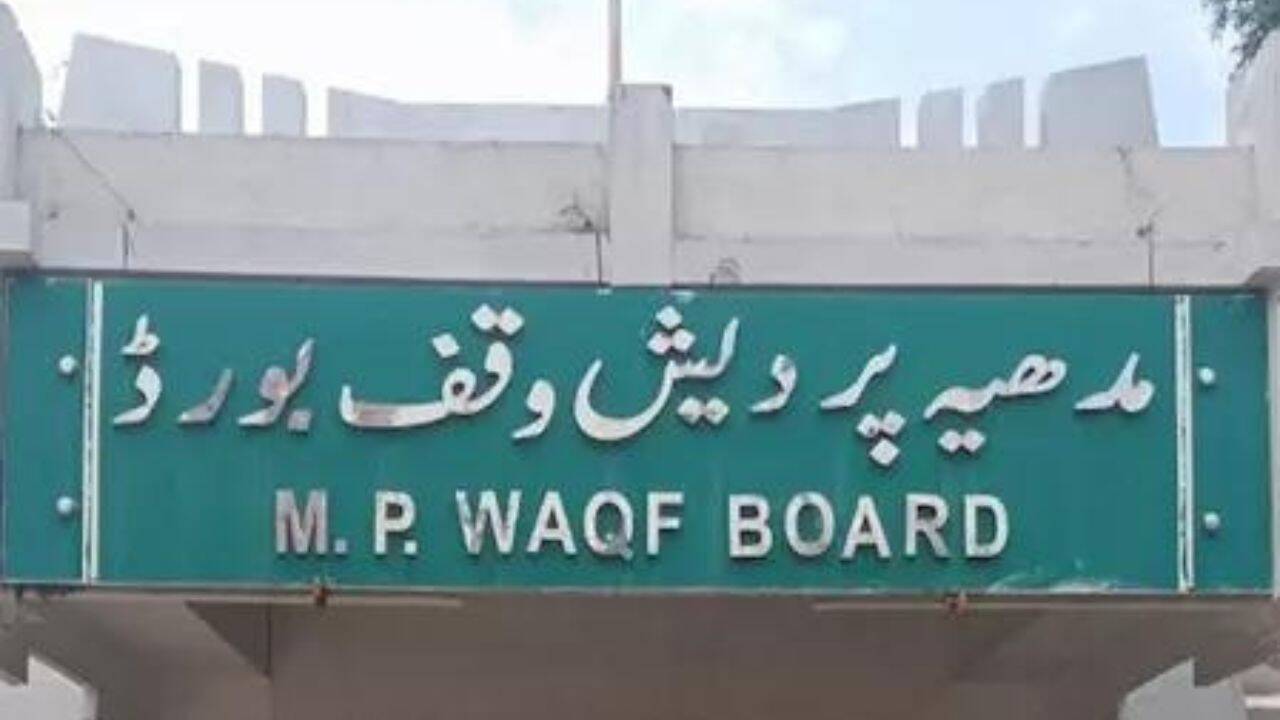
Madhya Pradesh has become the first state in the country to reconstitute its Waqf Board with non-Muslim members. The newly formed 10-member board, chaired by Sanwar Patel, includes two Hindu members, marking a significant milestone in the state's history. This move is in line with the provisions of the amended Wakf Act, 2025, which aims to ensure broader representation in the board's functioning.
The reconstitution of the Waqf Board is a notable development, as it reflects the state government's efforts to promote inclusivity and diversity. The inclusion of non-Muslim members in the board is expected to bring in fresh perspectives and ideas, which can help in the effective management of waqf properties and the implementation of welfare schemes for the Muslim community.
The Waqf Act, 2025, has introduced several key amendments, including the provision for the inclusion of non-Muslim members in the Waqf Board. This move is intended to ensure that the board is more representative of the diverse population of the state and that it can function more effectively in the interests of the Muslim community.
The impact of this development is expected to be significant, as it can help to promote greater understanding and cooperation between different communities in the state. The inclusion of non-Muslim members in the Waqf Board can also help to address any misconceptions or biases that may exist, and can promote a more inclusive and harmonious environment.
As the first state to reconstitute its Waqf Board with non-Muslim members, Madhya Pradesh is setting an important precedent for other states to follow. The state government's decision is expected to be closely watched by other states, and it may inspire similar initiatives in the future.
In the coming days, the newly constituted Waqf Board is expected to meet and discuss its priorities and objectives. The board will be responsible for overseeing the management of waqf properties, implementing welfare schemes, and promoting the interests of the Muslim community in the state. With its diverse membership and renewed mandate, the Waqf Board is well-placed to make a positive impact in the lives of Muslims in Madhya Pradesh.
The reconstitution of the Waqf Board is a significant development, and it reflects the state government's commitment to promoting inclusivity and diversity. As the board begins its work, it is expected to face several challenges, including the need to balance the interests of different communities and to address any controversies that may arise. However, with its newfound diversity and representation, the Waqf Board is well-equipped to meet these challenges and to make a positive contribution to the state's social and economic development.
The state government's decision to reconstitute the Waqf Board with non-Muslim members is a bold and innovative step, and it has the potential to make a significant impact in the state. As the board begins its work, it is expected to be closely watched by different stakeholders, including the Muslim community, the state government, and civil society organizations. The success of the Waqf Board will depend on its ability to work effectively and to promote the interests of the Muslim community, while also addressing the needs and concerns of other communities in the state.
In conclusion, the reconstitution of the Waqf Board in Madhya Pradesh is a significant development, and it reflects the state government's commitment to promoting inclusivity and diversity. The inclusion of non-Muslim members in the board is expected to bring in fresh perspectives and ideas, and to promote a more inclusive and harmonious environment. As the board begins its work, it is expected to face several challenges, but it is well-placed to make a positive impact in the lives of Muslims in the state.