Netanyahu Rejects Trump's 15-Point Gaza Plan
Israel rejects US proposal, Netanyahu demands Hamas disarmament. Gaza peace talks stalled.
'%3E%3Crect%20width%3D'96'%20height%3D'96'%20fill%3D'%234A235A'%2F%3E%3Ccircle%20cx%3D'30'%20cy%3D'24'%20r%3D'44'%20fill%3D'%23fff'%20opacity%3D'.12'%2F%3E%3Ccircle%20cx%3D'60'%20cy%3D'74'%20r%3D'40'%20fill%3D'%23000'%20opacity%3D'.10'%2F%3E%3C%2Fg%3E%3Cg%20fill%3D'none'%20stroke%3D'%23fff'%20stroke-width%3D'3'%3E%3Ccircle%20cx%3D'48'%20cy%3D'48'%20r%3D'16'%2F%3E%3Cellipse%20cx%3D'48'%20cy%3D'48'%20rx%3D'6.5'%20ry%3D'16'%2F%3E%3Cline%20x1%3D'32'%20y1%3D'42'%20x2%3D'64'%20y2%3D'42'%2F%3E%3Cline%20x1%3D'32'%20y1%3D'54'%20x2%3D'64'%20y2%3D'54'%2F%3E%3C%2Fg%3E%3C%2Fsvg%3E)
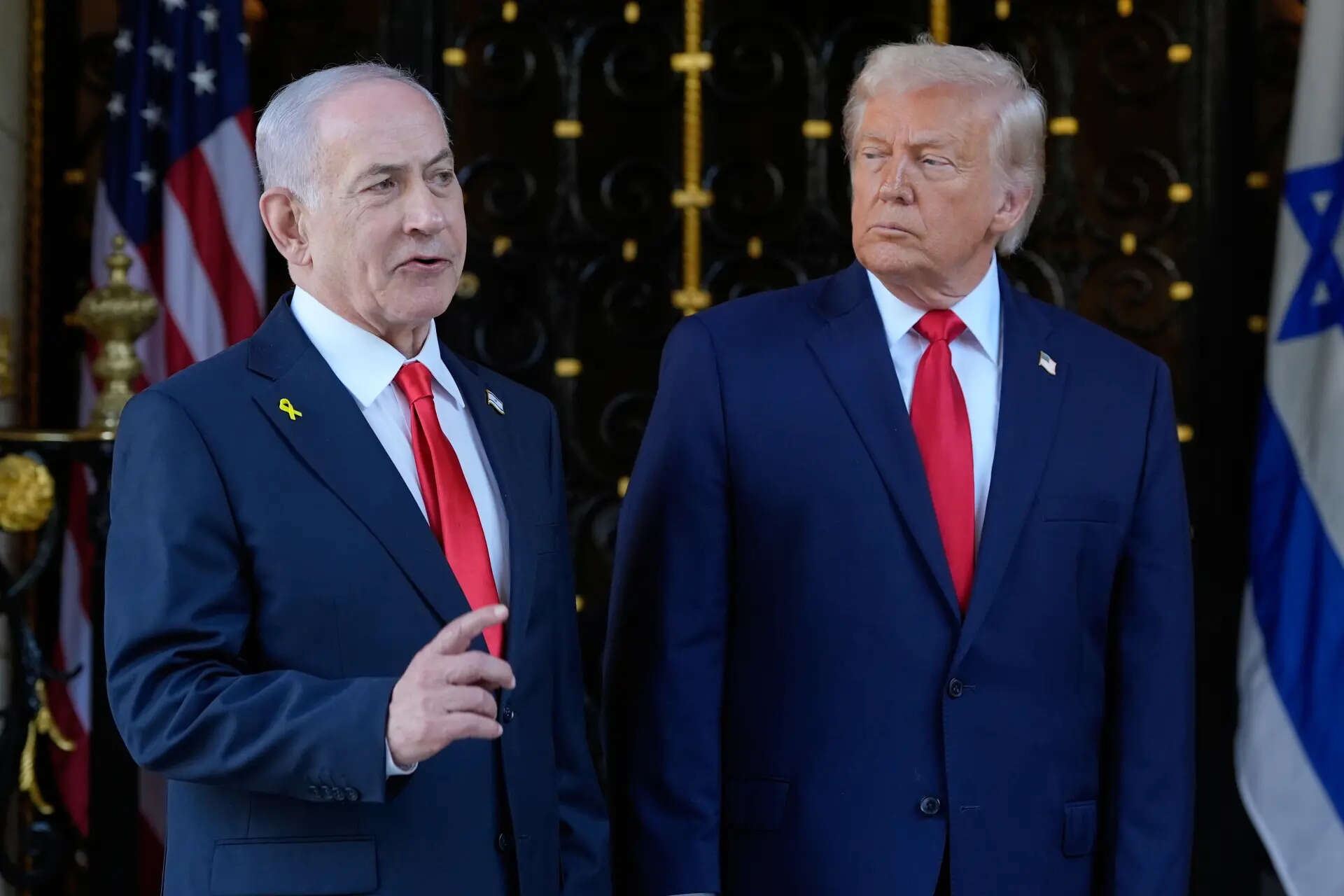
Israeli Prime Minister Netanyahu has rejected a 15-point US proposal for the Gaza peace process, insisting that Hamas must be completely disarmed before any Israeli forces withdraw from the region. This stance reflects a significant divergence from the US plan, which aims to establish a framework for lasting peace in Gaza. Netanyahu emphasized that discussions with Washington are ongoing, indicating that there is still room for negotiation and potential compromise.
The Israeli government's position on Hamas disarmament is a long-standing one, driven by concerns over the militant group's history of violence and rocket attacks against Israeli civilians. Netanyahu's rejection of the US proposal underscores the complexities and challenges inherent in the Gaza peace process, where deeply entrenched positions and competing demands have hindered progress.
Hamas, on the other hand, has reiterated its demand for a complete Israeli troop withdrawal as a prerequisite for negotiation, highlighting the significant barriers to advancing beyond the current ceasefire. This impasse underscores the need for a negotiated settlement that addresses the core concerns and needs of all parties involved.
The US proposal, put forth by the Trump administration, aims to provide a comprehensive framework for resolving the Gaza conflict. However, the plan's rejection by Israel and the divergent demands of the parties involved have raised questions about its viability and the prospects for a lasting peace in the region.
The Gaza peace process has been marked by numerous setbacks and false starts over the years, with periodic outbreaks of violence and a persistent humanitarian crisis. The international community has repeatedly called for a negotiated settlement that addresses the underlying issues driving the conflict, including the status of Jerusalem, borders, and the rights of Palestinian refugees.
Netanyahu's rejection of the US proposal serves as a reminder of the deep-seated challenges and complexities that have long characterized the Israeli-Palestinian conflict. As discussions between Israel and the US continue, it remains to be seen whether a mutually acceptable solution can be found, one that balances the competing demands and concerns of the parties involved.
The situation in Gaza remains precarious, with the humanitarian crisis showing no signs of abating. The need for a lasting and comprehensive peace settlement is more pressing than ever, requiring a concerted effort from all parties involved to address the underlying issues driving the conflict.
In the broader context, the Gaza peace process is closely tied to the overall dynamics of the Middle East, where regional powers and international actors are vying for influence. The US, in particular, has sought to play a key role in shaping the peace process, although its efforts have been met with skepticism and resistance from various quarters.
As the situation in Gaza continues to unfold, it is clear that a lasting peace will require a fundamental transformation in the relationships between the parties involved, as well as a concerted effort to address the underlying drivers of the conflict. Whether the current negotiations will yield a breakthrough remains to be seen, although the rejection of the US proposal by Israel serves as a stark reminder of the challenges that lie ahead.
The significance of this development for the region and the international community cannot be overstated. The Israeli-Palestinian conflict has long been a source of instability and tension, with far-reaching implications for regional and global security. A lasting peace in Gaza would not only bring relief to the beleaguered population but also contribute to a more stable and secure Middle East.
In conclusion, the rejection of the US proposal by Israel highlights the complexities and challenges inherent in the Gaza peace process. While discussions between Israel and the US are ongoing, the prospects for a lasting peace remain uncertain, underscoring the need for a concerted effort from all parties involved to address the underlying issues driving the conflict.
Frequently asked questions
What is the main obstacle to the Gaza peace process?
The main obstacle is the disagreement between Israel and Hamas over the disarmament of Hamas and the withdrawal of Israeli troops.
What is the US proposal for the Gaza peace process?
The US proposal is a 15-point plan that aims to establish a framework for lasting peace in Gaza, although its details have not been fully disclosed.