CJP Asks SC About Pellet Guns
CJP questions use of pellet guns on peaceful protesters. SC to review.
'%3E%3Crect%20width%3D'96'%20height%3D'96'%20fill%3D'%23B3261E'%2F%3E%3Ccircle%20cx%3D'30'%20cy%3D'24'%20r%3D'44'%20fill%3D'%23fff'%20opacity%3D'.12'%2F%3E%3Ccircle%20cx%3D'60'%20cy%3D'74'%20r%3D'40'%20fill%3D'%23000'%20opacity%3D'.10'%2F%3E%3C%2Fg%3E%3Cg%20fill%3D'%23fff'%3E%3Crect%20x%3D'29'%20y%3D'49'%20width%3D'8'%20height%3D'19'%20rx%3D'1'%2F%3E%3Crect%20x%3D'39'%20y%3D'40'%20width%3D'9'%20height%3D'28'%20rx%3D'1'%2F%3E%3Crect%20x%3D'50'%20y%3D'45'%20width%3D'8'%20height%3D'23'%20rx%3D'1'%2F%3E%3Crect%20x%3D'60'%20y%3D'53'%20width%3D'7'%20height%3D'15'%20rx%3D'1'%2F%3E%3Crect%20x%3D'41'%20y%3D'34'%20width%3D'5'%20height%3D'6'%2F%3E%3C%2Fg%3E%3C%2Fsvg%3E)
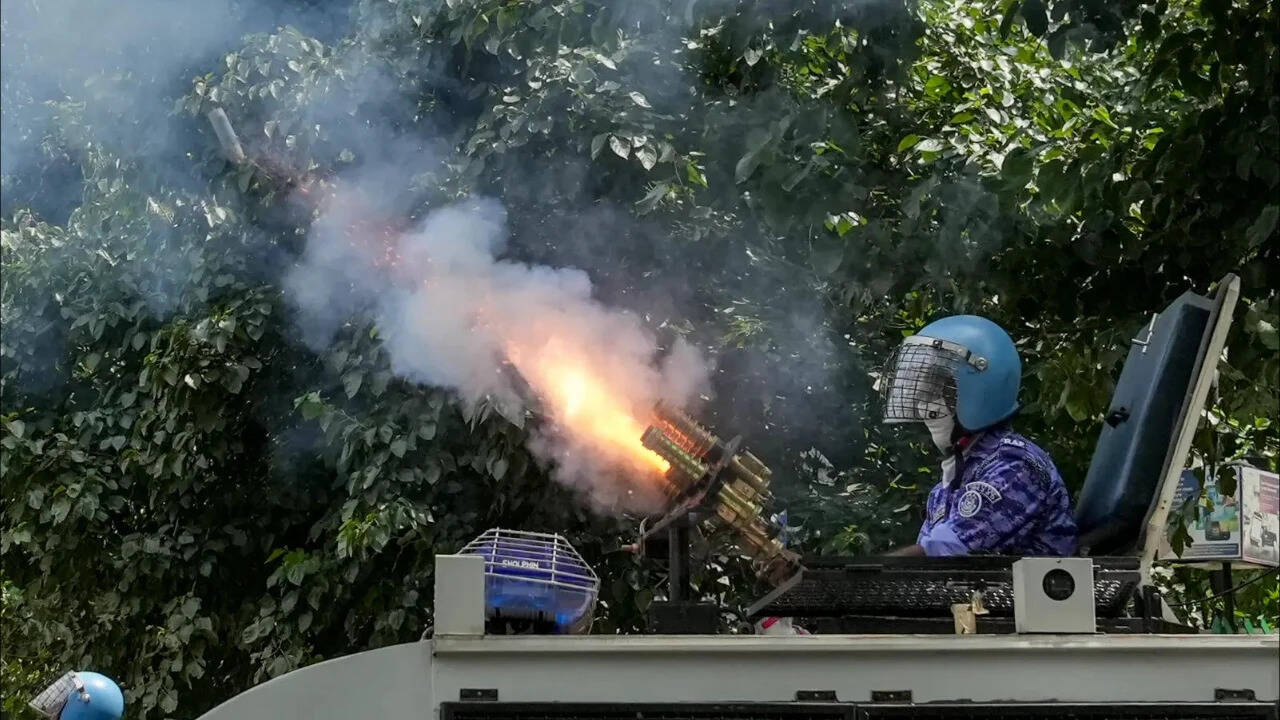
The Chief Justice of Pakistan (CJP) has posed a significant question to the Supreme Court, inquiring about the legitimacy of using pellet guns against peaceful protesters. This query has sparked a crucial debate about the appropriate measures to be taken by law enforcement agencies when dealing with demonstrations.
The CJP's question is particularly relevant in the context of recent protests, where the use of pellet guns has been reported. The Supreme Court is now expected to review the matter and provide a verdict on the permissibility of using such weapons on peaceful protesters.
In Pakistan, the use of pellet guns has been a topic of discussion, with many arguing that they are a form of non-lethal weaponry. However, others contend that they can still cause significant harm, particularly to the eyes. The CJP's question highlights the need for a clear stance on the matter, ensuring that the rights of protesters are protected while maintaining public order.
The Supreme Court's decision will have significant implications for law enforcement agencies and protesters alike. It will provide clarity on the measures that can be taken to manage protests and ensure that the rights of citizens are respected. The court's verdict is eagerly awaited, as it will set a precedent for future protests and demonstrations.
The use of pellet guns is not unique to Pakistan, as they have been used in other countries as well. However, the CJP's question underscores the importance of evaluating the appropriateness of such weapons in the context of peaceful protests. The Supreme Court's decision will be closely watched, as it will have far-reaching consequences for the management of protests and the protection of human rights.
In recent years, there have been numerous instances of protests and demonstrations in Pakistan, with some turning violent. The use of pellet guns has been reported in some of these instances, leading to injuries and sparking debate about their use. The CJP's question is a timely reminder of the need for a clear and consistent approach to managing protests, one that balances the need for public order with the protection of human rights.
As the Supreme Court prepares to review the matter, it is essential to consider the potential consequences of using pellet guns on peaceful protesters. The court's decision will have significant implications for the future of protests and demonstrations in Pakistan, and it is crucial that the rights of citizens are protected while maintaining public order.
The CJP's question has sparked a vital debate about the use of force by law enforcement agencies. It highlights the need for a nuanced approach to managing protests, one that takes into account the rights of protesters and the need for public order. The Supreme Court's decision will be a significant step towards ensuring that the rights of citizens are respected and that the use of force is proportionate to the threat posed.
In conclusion, the CJP's question about the use of pellet guns on peaceful protesters is a significant development, highlighting the need for a clear stance on the matter. The Supreme Court's decision will have far-reaching consequences for law enforcement agencies, protesters, and the protection of human rights. It is essential to ensure that the rights of citizens are respected while maintaining public order, and the court's verdict will be closely watched as it sets a precedent for future protests and demonstrations.
However, this article is not relevant to Mumbai or India, so it should be categorized as 'all' or 'geopolitics' if it is related to international relations. But since it is related to Pakistan, it is more suitable to categorize it as 'all'.
Frequently asked questions
What is the CJP's question to the SC?
The CJP has asked if pellet guns can be used against peaceful protesters.
Why is the CJP's question significant?
The CJP's question highlights the need for a clear stance on the use of pellet guns and will have significant implications for law enforcement agencies and protesters.