China Rejects Nepal's Flood Claim
China disputes Nepal's account, rescue operations continue after Himalayan disaster
'%3E%3Crect%20width%3D'96'%20height%3D'96'%20fill%3D'%234A235A'%2F%3E%3Ccircle%20cx%3D'30'%20cy%3D'24'%20r%3D'44'%20fill%3D'%23fff'%20opacity%3D'.12'%2F%3E%3Ccircle%20cx%3D'60'%20cy%3D'74'%20r%3D'40'%20fill%3D'%23000'%20opacity%3D'.10'%2F%3E%3C%2Fg%3E%3Cg%20fill%3D'none'%20stroke%3D'%23fff'%20stroke-width%3D'3'%3E%3Ccircle%20cx%3D'48'%20cy%3D'48'%20r%3D'16'%2F%3E%3Cellipse%20cx%3D'48'%20cy%3D'48'%20rx%3D'6.5'%20ry%3D'16'%2F%3E%3Cline%20x1%3D'32'%20y1%3D'42'%20x2%3D'64'%20y2%3D'42'%2F%3E%3Cline%20x1%3D'32'%20y1%3D'54'%20x2%3D'64'%20y2%3D'54'%2F%3E%3C%2Fg%3E%3C%2Fsvg%3E)
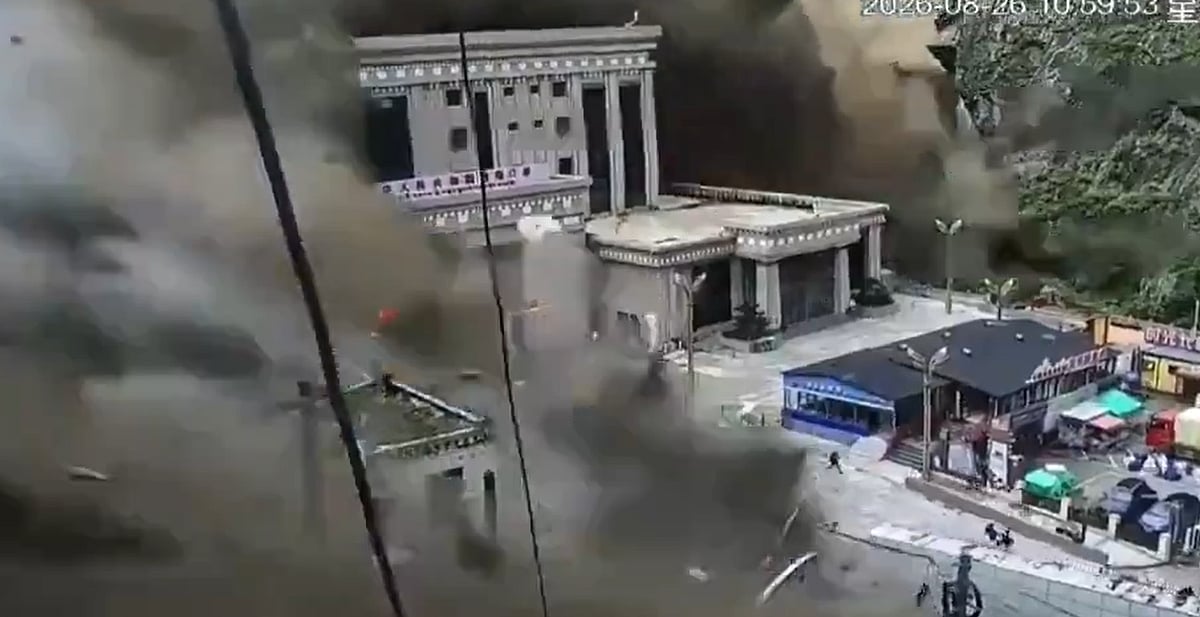
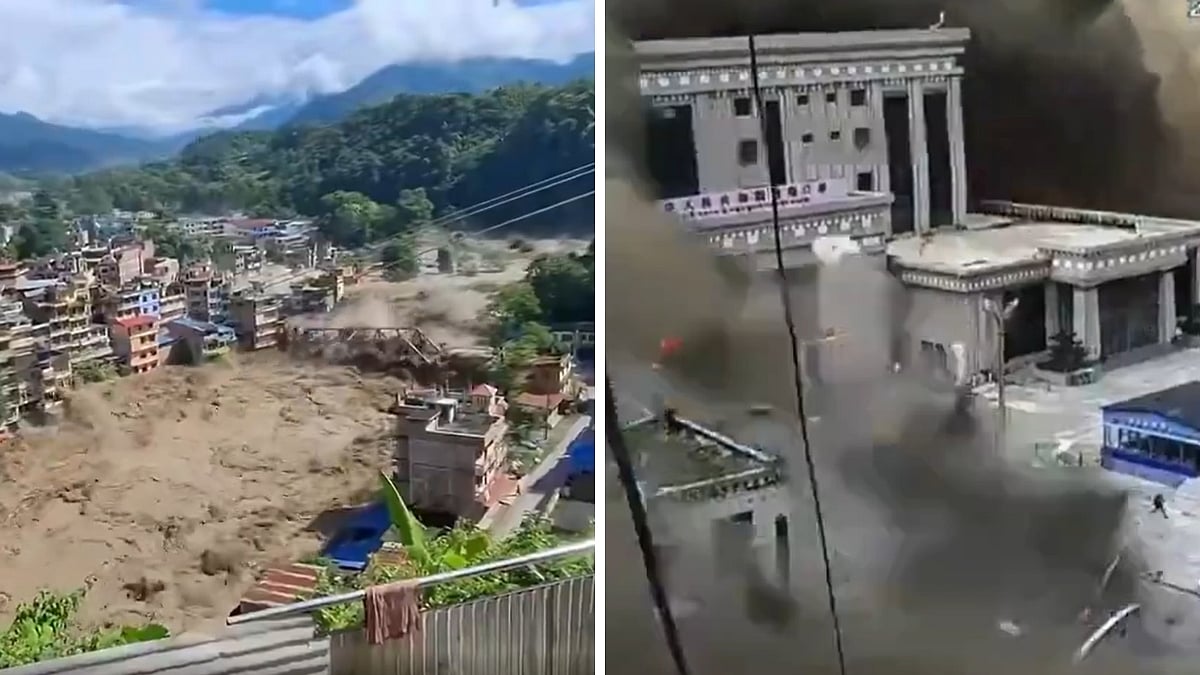
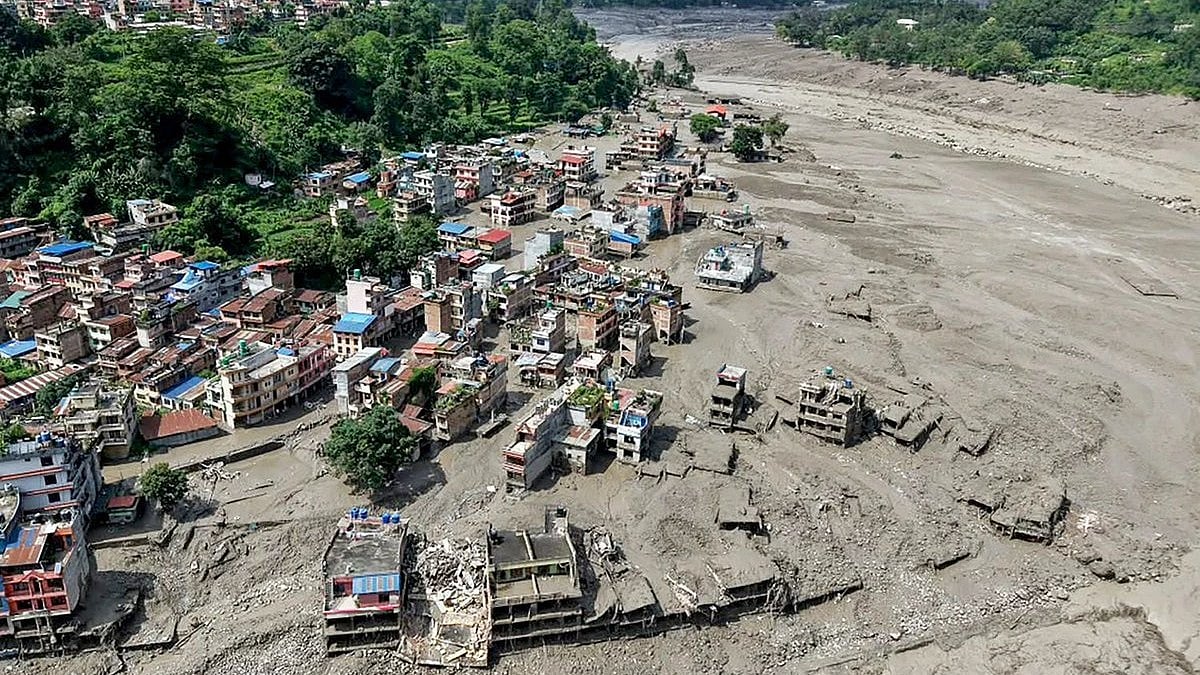
A devastating flood swept across the Himalayan border region, affecting communities in Nepal and Tibet. The disaster was triggered by a catastrophic glacial collapse that sent a huge wall of mud, rocks, and water through the region.
The Chinese embassy in Nepal has rejected allegations that a collapsed 'geological disaster dam' on the Chinese side triggered the floods, describing the claim as 'fake news.' According to the embassy, the disaster originated on the Nepali side of the border, where an earthquake-like glacial collapse occurred on the morning of August 26.
The embassy also rejected claims that China failed to warn Nepal before the disaster, stating that 'accusation helps nothing' and 'cooperation saves lives.' The comments came amid growing concern over the scale of the destruction and questions about whether earlier warnings could have reduced the loss of life.
The disaster unfolded after a large mass of ice and rock collapsed in the high Himalayas and entered the Lhende Khola river system. The sudden surge of debris and water raced downstream, striking the Chinese border area around Gyirong before continuing into Nepal. The powerful flow swept away buildings, vehicles, bridges, and sections of roads while burying settlements under thick layers of mud.
Initial reports suggested that an earthquake may have triggered the event. However, subsequent analysis by the US Geological Survey indicated that the seismic signal came from the collapse and resulting debris movement rather than a conventional earthquake. The rapidly moving mixture of water, ice, rock, and sediment turned narrow Himalayan valleys into channels of destruction within minutes.
At least 165 people had been confirmed dead, although casualty numbers continued to change as emergency teams reached previously inaccessible areas. More than 1,000 people were reported missing across Nepal and Tibet, with the missing including large numbers of foreign nationals. Chinese authorities reported 558 people missing in Gyirong, while Nepal separately reported hundreds of people unaccounted for.
The disaster struck a region frequently used by trekkers, tourists, and pilgrims travelling through the Himalayas. Indian pilgrims travelling toward Mount Kailash were among those reported missing, alongside nationals from countries including the United States, Australia, and Britain.
The final toll could rise significantly as rescue teams search through damaged communities and areas buried beneath debris. Officials have warned that the situation is still dire, and the full extent of the damage is yet to be determined.
In the aftermath of the disaster, there are growing concerns about the impact of climate change on the region's glaciers and the need for increased cooperation between countries to mitigate the effects of such disasters. The incident highlights the importance of prompt action and international cooperation in responding to natural disasters.
The rescue operations are ongoing, with teams working to reach affected areas and provide aid to those in need. The international community is also coming together to support the relief efforts, with many countries offering assistance to Nepal and Tibet.
As the situation continues to unfold, it is clear that the disaster will have a lasting impact on the region and its people. The need for cooperation and prompt action in responding to natural disasters is more pressing than ever, and it is hoped that the international community will come together to support those affected by this tragedy.
In conclusion, the devastating flood in the Himalayan border region has resulted in significant loss of life and damage to infrastructure. The incident highlights the importance of cooperation and prompt action in responding to natural disasters, and it is hoped that the international community will come together to support those affected by this tragedy.
The disaster is a stark reminder of the power of nature and the need for countries to work together to mitigate the effects of climate change. As the rescue operations continue, it is clear that the road to recovery will be long and challenging, but with international cooperation and support, it is hoped that the region will be able to rebuild and recover from this devastating disaster.
The final toll of the disaster is still unknown, but it is clear that it will be significant. The international community must come together to support Nepal and Tibet in their time of need, and to work towards preventing such disasters from occurring in the future.
The region's glaciers are particularly vulnerable to climate change, and the disaster is a stark reminder of the need for urgent action to mitigate its effects. The international community must work together to support countries in the region to develop strategies to reduce the risk of such disasters, and to provide aid and assistance to those affected by them.
In the end, the disaster in the Himalayan border region is a tragic reminder of the power of nature and the need for international cooperation and action to mitigate the effects of climate change. It is hoped that the international community will come together to support those affected by this tragedy, and to work towards preventing such disasters from occurring in the future.
Frequently asked questions
What triggered the flood in the Himalayan border region?
A catastrophic glacial collapse triggered the flood, which sent a huge wall of mud, rocks, and water through the region.
How many people have been reported missing?
Over 1000 people have been reported missing across Nepal and Tibet, including large numbers of foreign nationals.