Blue Whales Rebound After 350,000 Killed
Blue whales recover from whaling, face new threats. Conservation efforts aid growth.
'%3E%3Crect%20width%3D'96'%20height%3D'96'%20fill%3D'%23B3261E'%2F%3E%3Ccircle%20cx%3D'30'%20cy%3D'24'%20r%3D'44'%20fill%3D'%23fff'%20opacity%3D'.12'%2F%3E%3Ccircle%20cx%3D'60'%20cy%3D'74'%20r%3D'40'%20fill%3D'%23000'%20opacity%3D'.10'%2F%3E%3C%2Fg%3E%3Cg%20fill%3D'%23fff'%3E%3Crect%20x%3D'29'%20y%3D'49'%20width%3D'8'%20height%3D'19'%20rx%3D'1'%2F%3E%3Crect%20x%3D'39'%20y%3D'40'%20width%3D'9'%20height%3D'28'%20rx%3D'1'%2F%3E%3Crect%20x%3D'50'%20y%3D'45'%20width%3D'8'%20height%3D'23'%20rx%3D'1'%2F%3E%3Crect%20x%3D'60'%20y%3D'53'%20width%3D'7'%20height%3D'15'%20rx%3D'1'%2F%3E%3Crect%20x%3D'41'%20y%3D'34'%20width%3D'5'%20height%3D'6'%2F%3E%3C%2Fg%3E%3C%2Fsvg%3E)
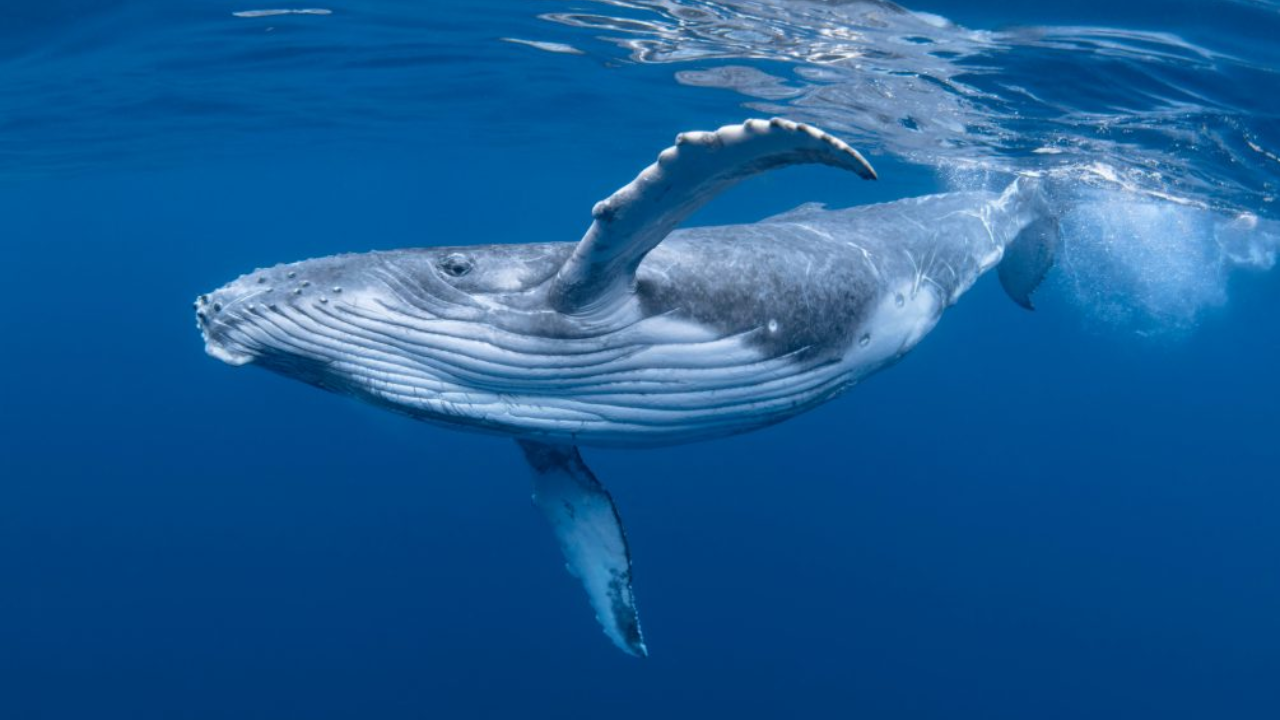
Blue whales, the largest animals on Earth, are slowly recovering from the devastating effects of commercial whaling, which killed an estimated 350,000 of them. After years of protection, whale populations are gradually reclaiming their ancestral habitats, with notable increases in sightings of blue and fin whales since 2012.
The recovery of these majestic creatures is a testament to the effectiveness of conservation efforts. However, despite this progress, blue whales continue to face significant threats from modern human activities, including pollution, ship strikes, and entanglement in fishing gear.
The 20th century saw a catastrophic decline in blue whale populations due to commercial whaling. The International Whaling Commission (IWC) implemented a moratorium on commercial whaling in 1986, which has helped to slow the decline and allow populations to begin recovering.
Conservation efforts, including monitoring and research programs, are crucial for ensuring the continued growth and prosperity of blue whale populations. These efforts help to identify and mitigate the impacts of human activities on whale habitats and provide valuable insights into the behavior and ecology of these amazing creatures.
The increase in blue whale sightings since 2012 is a promising sign, but it is essential to continue monitoring and protecting these animals to ensure their long-term survival. Ongoing conservation efforts, including the protection of critical habitats and the reduction of pollution, are vital for the recovery of blue whale populations.
The story of the blue whale's recovery serves as a reminder of the importance of conservation and the need for continued protection of our planet's precious wildlife. As we move forward, it is essential to prioritize the well-being of these incredible creatures and to take action to address the ongoing threats they face.
In conclusion, while blue whales are slowly recovering from the devastating effects of commercial whaling, they continue to face significant threats from human activities. Ongoing conservation efforts and monitoring are crucial for ensuring their future prosperity, and it is essential to continue protecting these incredible creatures and their habitats.
The recovery of blue whale populations is a significant conservation success story, and it highlights the importance of protecting our planet's wildlife. As we continue to face the challenges of conservation, it is essential to prioritize the well-being of these incredible creatures and to take action to address the ongoing threats they face.
The future of blue whales depends on our ability to balance human activities with the need to protect these incredible creatures and their habitats. By continuing to monitor and protect blue whale populations, we can help to ensure their long-term survival and preserve the beauty and wonder of these amazing animals for generations to come.
In the end, the story of the blue whale's recovery is a testament to the power of conservation and the importance of protecting our planet's precious wildlife. It serves as a reminder of the need for continued action to address the ongoing threats faced by these incredible creatures and to prioritize their well-being in our efforts to protect the natural world.
Frequently asked questions
How many blue whales were killed by commercial whaling?
An estimated 350,000 blue whales were killed by commercial whaling.
What is the current status of blue whale populations?
Blue whale populations are gradually recovering from the devastating effects of commercial whaling, with notable increases in sightings since 2012.