Supreme Court Orders Faster Dowry Trials
Dowry trials to be expedited, Supreme Court directs. Training for officials ordered.
'%3E%3Crect%20width%3D'96'%20height%3D'96'%20fill%3D'%231A5276'%2F%3E%3Ccircle%20cx%3D'30'%20cy%3D'24'%20r%3D'44'%20fill%3D'%23fff'%20opacity%3D'.12'%2F%3E%3Ccircle%20cx%3D'60'%20cy%3D'74'%20r%3D'40'%20fill%3D'%23000'%20opacity%3D'.10'%2F%3E%3C%2Fg%3E%3Cg%20fill%3D'%23fff'%3E%3Cpath%20d%3D'M31%2041%20L48%2031%20L65%2041%20Z'%2F%3E%3Crect%20x%3D'33'%20y%3D'43'%20width%3D'4'%20height%3D'17'%2F%3E%3Crect%20x%3D'41'%20y%3D'43'%20width%3D'4'%20height%3D'17'%2F%3E%3Crect%20x%3D'51'%20y%3D'43'%20width%3D'4'%20height%3D'17'%2F%3E%3Crect%20x%3D'59'%20y%3D'43'%20width%3D'4'%20height%3D'17'%2F%3E%3Crect%20x%3D'30'%20y%3D'62'%20width%3D'36'%20height%3D'4'%20rx%3D'1'%2F%3E%3C%2Fg%3E%3C%2Fsvg%3E)
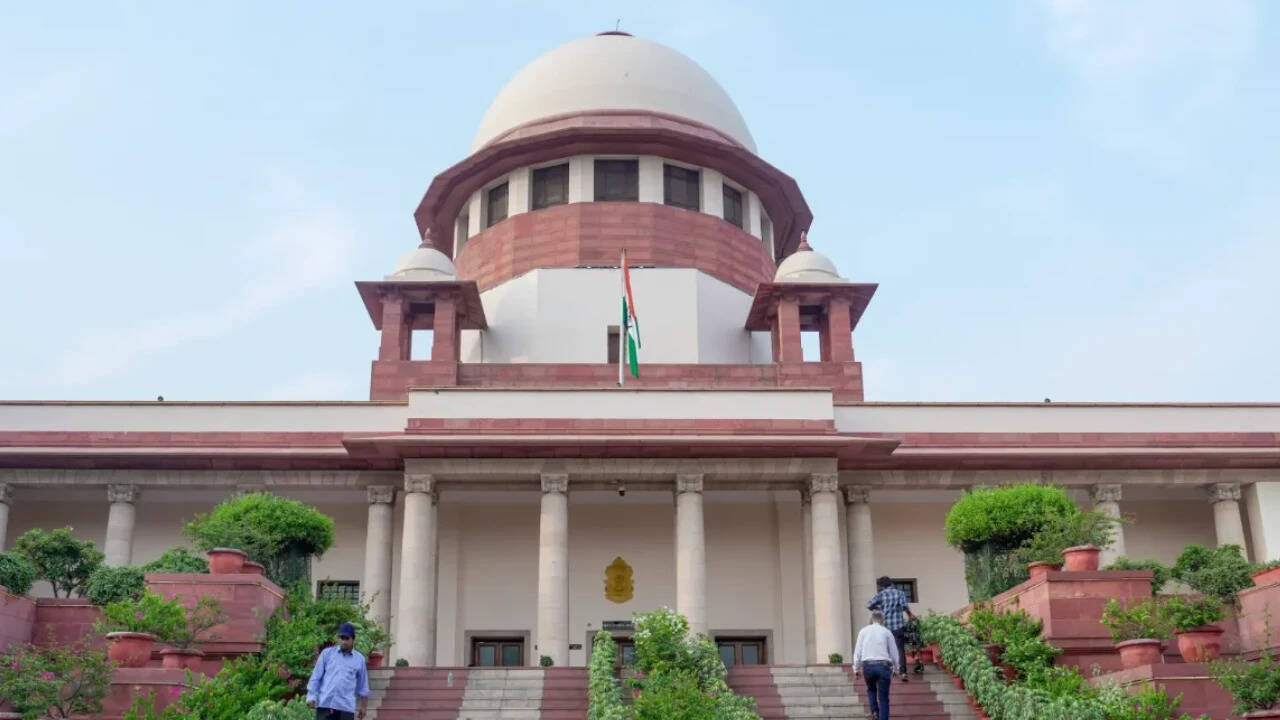
The Supreme Court has issued directions to expedite trials in dowry cases across the country. A bench comprising Justices Sanjay Karol and Augustine George Masih emphasized the need for time-bound completion of these trials.
The court has directed states and Union territories, as well as high courts, to conduct periodic training and sensitization programs for various officials involved in the judicial process. These programs will be aimed at judicial officers, police officials, prosecutors, protection officers, and counsellors.
The training programs will be conducted through judicial academies, police training institutions, and other appropriate bodies. This move is intended to enhance the understanding and handling of dowry cases by the officials concerned.
The Supreme Court has also directed high courts to periodically review pending criminal appeals related to dowry cases. This review will help in identifying and addressing any delays or bottlenecks in the trial process.
The issue of dowry remains a significant concern in Indian society, with many cases of dowry harassment and violence being reported every year. The Supreme Court's directions are aimed at ensuring that these cases are dealt with promptly and effectively.
The time-bound completion of trials in dowry cases is crucial to ensure justice for the victims and their families. The Supreme Court's orders are expected to have a positive impact on the handling of these cases and will help in reducing the backlog of pending trials.
The directions issued by the Supreme Court are a significant step towards addressing the issue of dowry and ensuring that those responsible for dowry-related crimes are brought to justice. The implementation of these directions will be closely monitored by the Supreme Court to ensure that the desired outcomes are achieved.
In conclusion, the Supreme Court's orders to expedite dowry trials are a welcome move and are expected to have a positive impact on the justice system in India. The focus on training and sensitization of officials, as well as the periodic review of pending appeals, will help in ensuring that dowry cases are handled efficiently and effectively.
The Supreme Court's directions are a significant development in the context of dowry cases in India. The implementation of these directions will be crucial in ensuring that justice is delivered promptly and effectively in these cases.
The need for time-bound completion of trials in dowry cases cannot be overstated. The Supreme Court's orders are a step in the right direction and will help in reducing the delays and bottlenecks in the trial process.
Overall, the Supreme Court's directions to expedite dowry trials are a positive development and are expected to have a significant impact on the justice system in India.
What it means for the country is that the justice system is taking steps to address the issue of dowry and ensure that those responsible for dowry-related crimes are brought to justice. This is a significant step towards creating a more just and equitable society.
The Supreme Court's orders are a testament to the commitment of the judiciary to ensuring that justice is delivered promptly and effectively. The implementation of these directions will be closely monitored to ensure that the desired outcomes are achieved.
In the end, the Supreme Court's directions to expedite dowry trials are a welcome move and are expected to have a positive impact on the justice system in India. The focus on training and sensitization of officials, as well as the periodic review of pending appeals, will help in ensuring that dowry cases are handled efficiently and effectively.
Frequently asked questions
What has the Supreme Court directed in dowry cases?
The Supreme Court has directed the expediting of trials in dowry cases and ordered training for officials.
Why are the Supreme Court's directions significant?
The directions are significant because they aim to ensure justice for victims of dowry harassment and violence by promoting time-bound completion of trials.