Surat Medical College Faculty Face Action After Junior Doctor's Death
Faculty members under scrutiny, show-cause notices issued after junior doctor's suicide
'%3E%3Crect%20width%3D'96'%20height%3D'96'%20fill%3D'%23B3261E'%2F%3E%3Ccircle%20cx%3D'30'%20cy%3D'24'%20r%3D'44'%20fill%3D'%23fff'%20opacity%3D'.12'%2F%3E%3Ccircle%20cx%3D'60'%20cy%3D'74'%20r%3D'40'%20fill%3D'%23000'%20opacity%3D'.10'%2F%3E%3C%2Fg%3E%3Cg%20fill%3D'%23fff'%3E%3Crect%20x%3D'29'%20y%3D'49'%20width%3D'8'%20height%3D'19'%20rx%3D'1'%2F%3E%3Crect%20x%3D'39'%20y%3D'40'%20width%3D'9'%20height%3D'28'%20rx%3D'1'%2F%3E%3Crect%20x%3D'50'%20y%3D'45'%20width%3D'8'%20height%3D'23'%20rx%3D'1'%2F%3E%3Crect%20x%3D'60'%20y%3D'53'%20width%3D'7'%20height%3D'15'%20rx%3D'1'%2F%3E%3Crect%20x%3D'41'%20y%3D'34'%20width%3D'5'%20height%3D'6'%2F%3E%3C%2Fg%3E%3C%2Fsvg%3E)
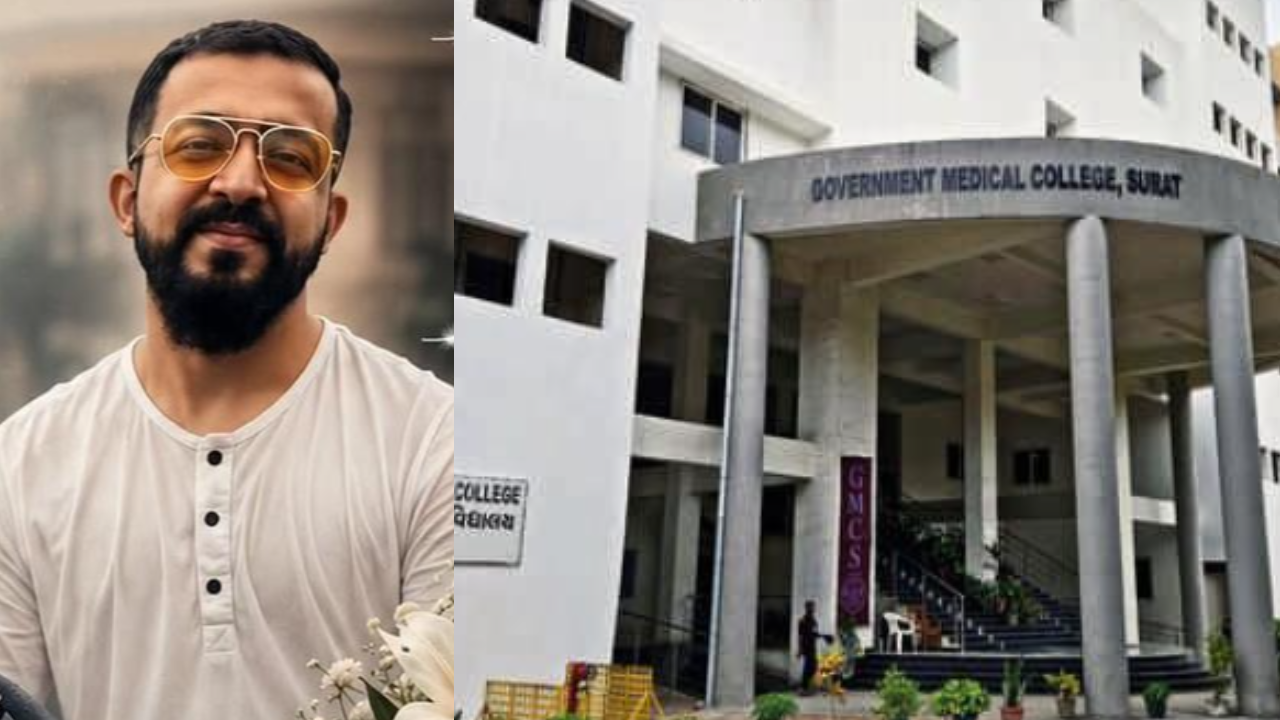
A recent incident at Surat Government Medical College has sparked scrutiny and led to the issuance of show-cause notices to four faculty members. The action follows the tragic death of Dr Harsh Pandya, a postgraduate student who took his own life.
The college had set up an inquiry committee to investigate the circumstances surrounding Dr Pandya's death. During the inquiry, it was revealed that students had reported instances of harassment by senior residents to the faculty members. However, the committee found that the faculty had failed to take adequate measures to resolve the tensions and create a harmonious environment.
The inquiry report highlighted the faculty's shortcomings in addressing the issues raised by the students. The college council has approved the report, which will now be submitted to the state government for further action. The report's findings and recommendations are expected to lead to significant changes in the way the college handles such situations in the future.
The incident has brought to light the importance of creating a supportive and inclusive environment in medical colleges. The pressure and stress of studying medicine can take a toll on students, and it is essential for faculty members to be approachable and responsive to their needs. The state government is likely to take the report's findings seriously and take necessary steps to prevent such incidents in the future.
The Surat Government Medical College has a reputation for providing quality medical education, and the incident is a wake-up call for the institution to re-examine its policies and procedures. The college administration will need to work closely with the students and faculty members to create a more supportive and inclusive environment.
The death of Dr Harsh Pandya is a tragic reminder of the need for medical colleges to prioritize the well-being and mental health of their students. The incident has sparked a wider debate about the need for more support systems and mechanisms to address the stress and pressure faced by medical students.
In the coming days, the state government is expected to take further action based on the report's findings. The faculty members who received show-cause notices will have to respond to the allegations and explain their actions. The incident is a significant setback for the college, but it also provides an opportunity for the institution to learn and grow.
The Surat Government Medical College incident highlights the need for greater awareness and sensitivity towards the issues faced by medical students. It is essential for faculty members and college administrators to be more responsive and supportive to create a positive and inclusive learning environment.
The incident has also raised questions about the role of faculty members in creating a supportive environment. The faculty members who were issued show-cause notices will have to explain their actions and demonstrate a commitment to creating a more inclusive and supportive environment.
In conclusion, the incident at Surat Government Medical College is a tragic reminder of the need for medical colleges to prioritize the well-being and mental health of their students. The state government's response to the report's findings will be crucial in determining the next course of action. The college administration will need to work closely with the students and faculty members to create a more supportive and inclusive environment.
Frequently asked questions
What happened at Surat Government Medical College?
A junior doctor, Dr Harsh Pandya, died by suicide, leading to an inquiry and the issuance of show-cause notices to four faculty members.
What were the findings of the inquiry report?
The report found that the faculty members had failed to resolve tensions and create harmony, despite students reporting harassment by senior residents.