Tankers Diverted in Red Sea Due to Houthi Threats
Saudi crude tankers change course, Houthi threats spark concern, global energy supplies at risk
'%3E%3Crect%20width%3D'96'%20height%3D'96'%20fill%3D'%234A235A'%2F%3E%3Ccircle%20cx%3D'30'%20cy%3D'24'%20r%3D'44'%20fill%3D'%23fff'%20opacity%3D'.12'%2F%3E%3Ccircle%20cx%3D'60'%20cy%3D'74'%20r%3D'40'%20fill%3D'%23000'%20opacity%3D'.10'%2F%3E%3C%2Fg%3E%3Cg%20fill%3D'none'%20stroke%3D'%23fff'%20stroke-width%3D'3'%3E%3Ccircle%20cx%3D'48'%20cy%3D'48'%20r%3D'16'%2F%3E%3Cellipse%20cx%3D'48'%20cy%3D'48'%20rx%3D'6.5'%20ry%3D'16'%2F%3E%3Cline%20x1%3D'32'%20y1%3D'42'%20x2%3D'64'%20y2%3D'42'%2F%3E%3Cline%20x1%3D'32'%20y1%3D'54'%20x2%3D'64'%20y2%3D'54'%2F%3E%3C%2Fg%3E%3C%2Fsvg%3E)
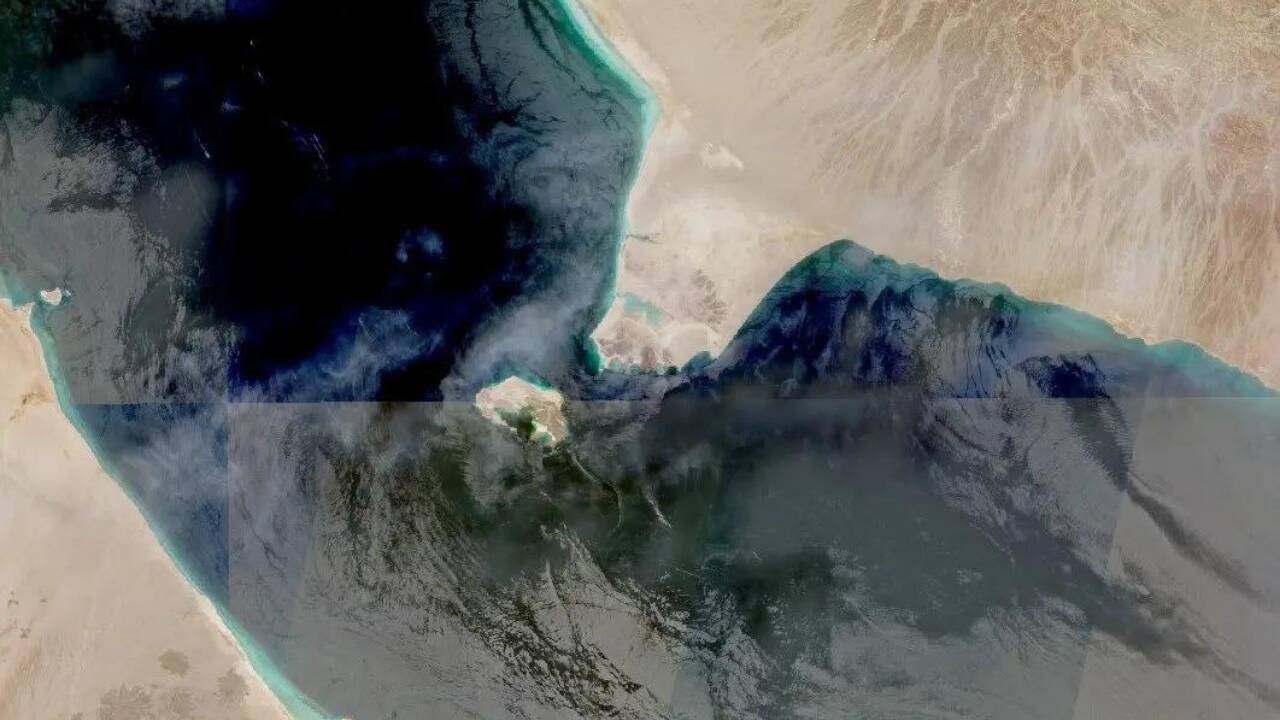
A significant development has unfolded in the Red Sea, where tankers carrying Saudi crude oil destined for India and China have made a U-turn. This sudden change in course comes in response to threats made by the Houthi rebels, who announced a naval blockade on Saudi Arabia on Monday.
The Houthi announcement has raised concerns about the potential escalation of the conflict involving the US, Israel, and Iran, with possible repercussions for global energy supplies and international trade beyond the Gulf region. The blockade threatens to disrupt the flow of oil from Saudi Arabia, one of the world's largest oil exporters, to major consumers like India and China.
The situation is being closely monitored by governments and energy companies around the world, as any disruption to oil supplies could have significant economic and political implications. The Houthi rebels have been involved in a long-standing conflict with the Saudi-led coalition in Yemen, and their threats have added a new layer of complexity to the already volatile region.
The Red Sea is a critical waterway for international trade, with many ships passing through it to reach the Suez Canal. Any disruption to shipping in the region could have far-reaching consequences for global commerce. The Indian and Chinese governments, which are among the largest importers of Saudi oil, are likely to be particularly concerned about the potential impact on their energy supplies.
In recent years, the Houthi rebels have launched several attacks on Saudi oil facilities and ships, highlighting the risks to global energy supplies. The latest threat has raised fears of a potential escalation of the conflict, which could have significant consequences for the global economy.
The international community is urging all parties involved to exercise restraint and avoid any actions that could exacerbate the situation. The US and other major powers have called for a peaceful resolution to the conflict, while also emphasizing the need to protect global energy supplies and ensure the free flow of international trade.
As the situation continues to unfold, it remains to be seen how the Houthi threats will impact the global energy market and international trade. One thing is certain, however: the latest developments in the Red Sea have added a new layer of uncertainty to an already volatile region.
The implications of this situation are far-reaching, and it is likely to have significant consequences for India, China, and other major oil-importing countries. As the world's energy needs continue to grow, the importance of ensuring the free flow of oil supplies cannot be overstated. The situation in the Red Sea serves as a reminder of the complex and interconnected nature of global energy supplies, and the need for continued diplomacy and cooperation to ensure their stability.
In conclusion, the diversion of tankers carrying Saudi crude oil in the Red Sea is a significant development that highlights the risks to global energy supplies and international trade. As the situation continues to unfold, it is likely to have significant consequences for India, China, and other major oil-importing countries, and underscores the need for continued diplomacy and cooperation to ensure the stability of global energy supplies.
Frequently asked questions
What is the reason for the tankers carrying Saudi crude oil to divert their course?
The tankers have diverted their course due to threats made by the Houthi rebels, who announced a naval blockade on Saudi Arabia.
Which countries are likely to be most affected by the potential disruption to oil supplies?
India and China, which are among the largest importers of Saudi oil, are likely to be particularly concerned about the potential impact on their energy supplies.