US, Saudi Arabia Sign Nuclear Deal
Saudi Arabia to acquire uranium enrichment capability, sparking regional concerns.
'%3E%3Crect%20width%3D'96'%20height%3D'96'%20fill%3D'%234A235A'%2F%3E%3Ccircle%20cx%3D'30'%20cy%3D'24'%20r%3D'44'%20fill%3D'%23fff'%20opacity%3D'.12'%2F%3E%3Ccircle%20cx%3D'60'%20cy%3D'74'%20r%3D'40'%20fill%3D'%23000'%20opacity%3D'.10'%2F%3E%3C%2Fg%3E%3Cg%20fill%3D'none'%20stroke%3D'%23fff'%20stroke-width%3D'3'%3E%3Ccircle%20cx%3D'48'%20cy%3D'48'%20r%3D'16'%2F%3E%3Cellipse%20cx%3D'48'%20cy%3D'48'%20rx%3D'6.5'%20ry%3D'16'%2F%3E%3Cline%20x1%3D'32'%20y1%3D'42'%20x2%3D'64'%20y2%3D'42'%2F%3E%3Cline%20x1%3D'32'%20y1%3D'54'%20x2%3D'64'%20y2%3D'54'%2F%3E%3C%2Fg%3E%3C%2Fsvg%3E)
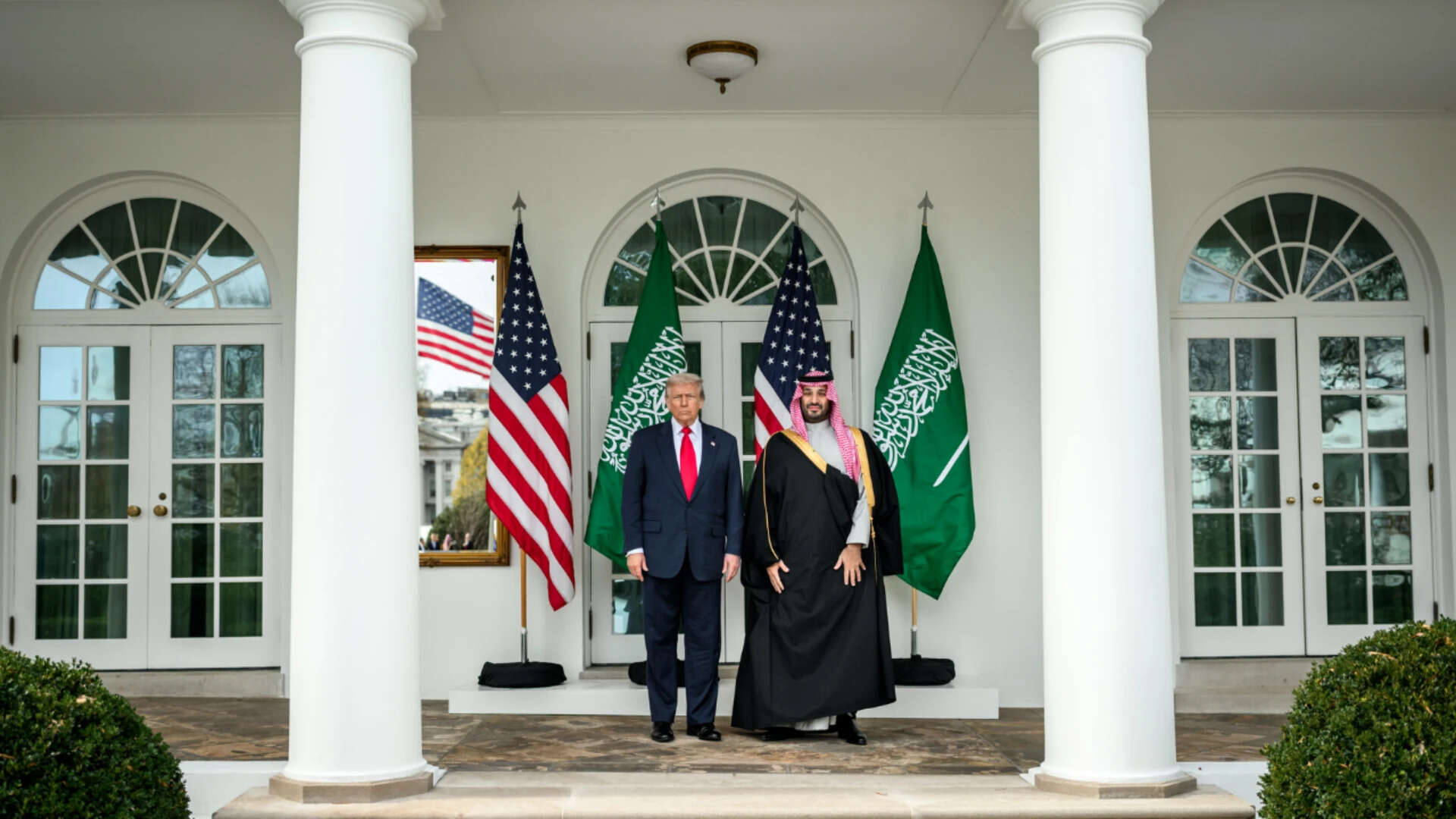
The United States and Saudi Arabia have signed a nuclear cooperation agreement, allowing Saudi Arabia to acquire uranium enrichment capability for civilian energy purposes. This move has raised concerns among experts, who warn that it could blur the line between civilian and weapons-grade enrichment.
The deal has significant implications for the region, particularly for countries like Israel, which has expressed sharp concerns about the potential for a nuclear arms race. Israel has long been wary of Saudi Arabia's nuclear ambitions, and this deal is likely to exacerbate those concerns.
The agreement also raises fears of escalating instability in the volatile Middle East region. The acquisition of uranium enrichment capability by Saudi Arabia could lead to a nuclear arms race, with other countries in the region feeling compelled to develop their own nuclear capabilities. This could have far-reaching consequences for regional security and stability.
India, which has its own nuclear program, is also likely to be concerned about the implications of this deal. As a country with a long history of nuclear cooperation with the United States, India may be worried about the potential for Saudi Arabia to use its newfound capabilities for military purposes.
The nuclear cooperation agreement between the United States and Saudi Arabia is part of a broader effort by the Saudi government to diversify its energy mix and reduce its dependence on oil. However, the deal has sparked controversy, with many experts warning that it could have unintended consequences for regional security.
The Middle East is already a volatile region, with numerous conflicts and tensions simmering just below the surface. The introduction of nuclear capabilities could exacerbate these tensions, leading to a destabilization of the region. As such, the deal has significant implications for global security and stability.
In conclusion, the nuclear cooperation agreement between the United States and Saudi Arabia has significant implications for the region and the world. While the deal may have been intended to promote civilian nuclear energy, it has raised concerns about the potential for a nuclear arms race and the blurring of lines between civilian and weapons-grade enrichment. As the situation continues to unfold, it will be important to monitor the developments and ensure that the deal does not lead to unintended consequences for regional and global security.
The deal is a reminder that the Middle East remains a complex and volatile region, with numerous challenges and uncertainties. As countries like Saudi Arabia and Israel navigate their relationships with the United States and other global powers, it will be important to prioritize diplomacy and cooperation to prevent the escalation of tensions and the destabilization of the region.
Ultimately, the US-Saudi nuclear deal has the potential to reshape the regional security landscape, with significant implications for countries like Israel and India. As the situation continues to evolve, it will be important to prioritize careful consideration and diplomacy to ensure that the deal does not lead to unintended consequences for regional and global security.
Frequently asked questions
What is the US-Saudi nuclear deal about?
The deal allows Saudi Arabia to acquire uranium enrichment capability for civilian energy purposes.
Why is the deal controversial?
The deal has raised concerns about the potential for a nuclear arms race and the blurring of lines between civilian and weapons-grade enrichment.