$2.6tn Aid Traps Africa in Poverty
Aid to Africa exceeds $2.6tn, yet poverty persists. What went wrong?
'%3E%3Crect%20width%3D'96'%20height%3D'96'%20fill%3D'%23B3261E'%2F%3E%3Ccircle%20cx%3D'30'%20cy%3D'24'%20r%3D'44'%20fill%3D'%23fff'%20opacity%3D'.12'%2F%3E%3Ccircle%20cx%3D'60'%20cy%3D'74'%20r%3D'40'%20fill%3D'%23000'%20opacity%3D'.10'%2F%3E%3C%2Fg%3E%3Cg%20fill%3D'%23fff'%3E%3Crect%20x%3D'29'%20y%3D'49'%20width%3D'8'%20height%3D'19'%20rx%3D'1'%2F%3E%3Crect%20x%3D'39'%20y%3D'40'%20width%3D'9'%20height%3D'28'%20rx%3D'1'%2F%3E%3Crect%20x%3D'50'%20y%3D'45'%20width%3D'8'%20height%3D'23'%20rx%3D'1'%2F%3E%3Crect%20x%3D'60'%20y%3D'53'%20width%3D'7'%20height%3D'15'%20rx%3D'1'%2F%3E%3Crect%20x%3D'41'%20y%3D'34'%20width%3D'5'%20height%3D'6'%2F%3E%3C%2Fg%3E%3C%2Fsvg%3E)
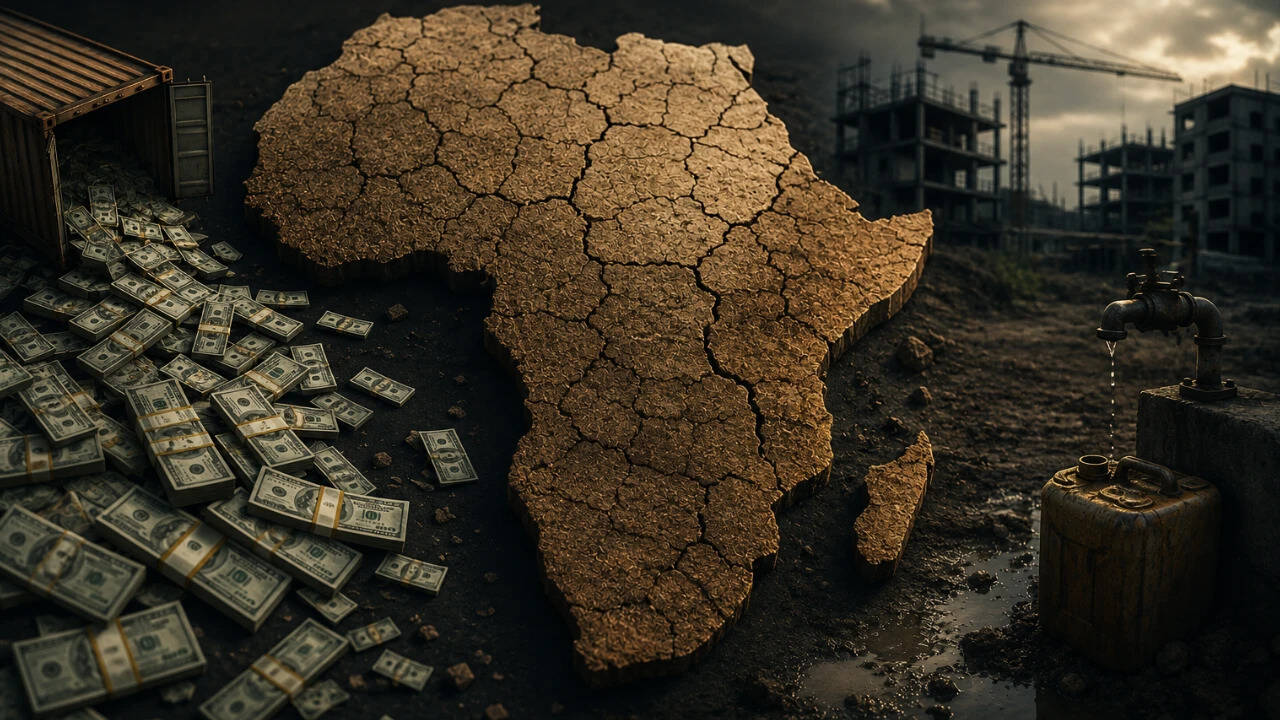
Africa has received over $2.6 trillion in aid since the 1960s, yet the continent remains plagued by poverty. This paradox has sparked a debate about the effectiveness of foreign aid in promoting economic development.
The aid, which was intended to stimulate growth and alleviate poverty, has instead created a culture of dependency among African nations. Many countries have become reliant on handouts from wealthy donor nations, rather than investing in their own economic development.
One of the primary reasons for this phenomenon is the lack of accountability and transparency in the distribution of aid funds. In many cases, the funds have been squandered by corrupt governments or diverted to non-essential projects.
Furthermore, the influx of foreign aid has also led to a decline in domestic investment and innovation. With a steady stream of external funding, many African governments have seen little need to develop their own industries or invest in human capital.
The consequences of this aid trap are far-reaching. Poverty and inequality persist, and many African nations remain vulnerable to economic shocks and political instability.
To break this cycle, experts argue that a new approach to aid is needed. This could involve tying aid to specific development goals, such as improving governance or investing in education and healthcare.
Additionally, there is a need for greater transparency and accountability in the distribution of aid funds. This could involve independent audits and monitoring mechanisms to ensure that funds are being used effectively.
Ultimately, the goal of foreign aid should be to empower African nations to take control of their own economic development. By providing support and guidance, rather than simply handing out cash, donor nations can help Africa break free from the aid trap and achieve sustainable economic growth.
The African continent has immense potential, with a growing population and abundant natural resources. However, to realize this potential, African nations must be given the opportunity to develop their own economies and industries.
In recent years, there has been a growing recognition of the need for a new approach to aid. The United Nations' Sustainable Development Goals (SDGs) have emphasized the importance of promoting economic development and reducing inequality.
Moreover, many African nations are now taking steps to diversify their economies and reduce their reliance on foreign aid. This includes investing in industries such as manufacturing, agriculture, and tourism.
While there is still much work to be done, there are signs of hope. With a new approach to aid and a greater emphasis on economic development, Africa can break free from the aid trap and achieve a brighter future.
In conclusion, the $2.6 trillion in aid provided to Africa has not had the desired impact. Instead of promoting economic development, it has created a culture of dependency and hindered the continent's ability to achieve sustainable growth. A new approach to aid is needed, one that emphasizes transparency, accountability, and economic development.
The international community must work together to support African nations in their efforts to develop their own economies and industries. By doing so, we can help Africa break free from the aid trap and achieve a more prosperous and equitable future.
The question now is, what will it take for Africa to break free from the aid trap and achieve sustainable economic growth? The answer lies in a combination of good governance, economic development, and a new approach to aid.
As the African continent continues to grow and develop, it is essential that we learn from the past and work towards a more sustainable and equitable future. The time for change is now, and it is up to the international community to support Africa in its efforts to break free from the aid trap.
The road ahead will not be easy, but with determination and a commitment to economic development, Africa can overcome the challenges it faces and achieve a brighter future. The $2.6 trillion in aid provided to the continent is a stark reminder of the need for a new approach, one that prioritizes economic development and reduces reliance on foreign handouts.
In the end, it is up to African nations to take control of their own economic development. With the right support and guidance, they can break free from the aid trap and achieve sustainable economic growth. The international community must be willing to provide this support, and work together to create a more prosperous and equitable future for all.
A new era of economic development is possible for Africa, one that is driven by African nations themselves. It is time for the international community to recognize the potential of the African continent and support its efforts to break free from the aid trap.
The future of Africa is bright, and with the right approach, the continent can achieve sustainable economic growth and reduce its reliance on foreign aid. The time for change is now, and it is up to us to support Africa in its efforts to break free from the aid trap.
In order to achieve this goal, it is essential that we prioritize economic development and reduce reliance on foreign aid. This can be achieved through a combination of good governance, investment in human capital, and a new approach to aid.
The benefits of this approach are clear. By prioritizing economic development, African nations can reduce their reliance on foreign aid and achieve sustainable economic growth. This, in turn, can lead to a reduction in poverty and inequality, and an improvement in living standards.
In conclusion, the $2.6 trillion in aid provided to Africa has not had the desired impact. Instead of promoting economic development, it has created a culture of dependency and hindered the continent's ability to achieve sustainable growth. A new approach to aid is needed, one that emphasizes transparency, accountability, and economic development.
The international community must work together to support African nations in their efforts to develop their own economies and industries. By doing so, we can help Africa break free from the aid trap and achieve a more prosperous and equitable future.
The question now is, what will it take for Africa to break free from the aid trap and achieve sustainable economic growth? The answer lies in a combination of good governance, economic development, and a new approach to aid.
As the African continent continues to grow and develop, it is essential that we learn from the past and work towards a more sustainable and equitable future. The time for change is now, and it is up to the international community to support Africa in its efforts to break free from the aid trap.
The road ahead will not be easy, but with determination and a commitment to economic development, Africa can overcome the challenges it faces and achieve a brighter future. The $2.6 trillion in aid provided to the continent is a stark reminder of the need for a new approach, one that prioritizes economic development and reduces reliance on foreign handouts.
In the end, it is up to African nations to take control of their own economic development. With the right support and guidance, they can break free from the aid trap and achieve sustainable economic growth. The international community must be willing to provide this support, and work together to create a more prosperous and equitable future for all.
A new era of economic development is possible for Africa, one that is driven by African nations themselves. It is time for the international community to recognize the potential of the African continent and support its efforts to break free from the aid trap.
The future of Africa is bright, and with the right approach, the continent can achieve sustainable economic growth and reduce its reliance on foreign aid. The time for change is now, and it is up to us to support Africa in its efforts to break free from the aid trap.
In order to achieve this goal, it is essential that we prioritize economic development and reduce reliance on foreign aid. This can be achieved through a combination of good governance, investment in human capital, and a new approach to aid.
The benefits of this approach are clear. By prioritizing economic development, African nations can reduce their reliance on foreign aid and achieve sustainable economic growth. This, in turn, can lead to a reduction in poverty and inequality, and an improvement in living standards.
However, the article does not provide any information related to Mumbai or India's domestic issues.
Therefore, the category should be 'all'.
The priority of the article should be 6, as it provides important information about the aid provided to Africa and its impact on the continent's economic development.
The article is not breaking news, so 'isBreaking' should be false.
The key points of the article are: $2.6 trillion in aid provided to Africa, aid has created a culture of dependency, and a new approach to aid is needed.
The FAQs for the article could be: What is the total amount of aid provided to Africa? and What is the impact of aid on Africa's economic development?
The tags for the article could be: africa, aid, economic development, poverty, and foreign aid.
Frequently asked questions
What is the total amount of aid provided to Africa?
The total amount of aid provided to Africa is $2.6 trillion.
What is the impact of aid on Africa's economic development?
The aid has created a culture of dependency and hindered the continent's ability to achieve sustainable economic growth.