Mumbai Bullet Train Project to Cut 847 Mangroves
Mangrove cutting approved, remote plantation allowed
'%3E%3Crect%20width%3D'96'%20height%3D'96'%20fill%3D'%23B3261E'%2F%3E%3Ccircle%20cx%3D'30'%20cy%3D'24'%20r%3D'44'%20fill%3D'%23fff'%20opacity%3D'.12'%2F%3E%3Ccircle%20cx%3D'60'%20cy%3D'74'%20r%3D'40'%20fill%3D'%23000'%20opacity%3D'.10'%2F%3E%3C%2Fg%3E%3Cg%20fill%3D'%23fff'%3E%3Crect%20x%3D'29'%20y%3D'49'%20width%3D'8'%20height%3D'19'%20rx%3D'1'%2F%3E%3Crect%20x%3D'39'%20y%3D'40'%20width%3D'9'%20height%3D'28'%20rx%3D'1'%2F%3E%3Crect%20x%3D'50'%20y%3D'45'%20width%3D'8'%20height%3D'23'%20rx%3D'1'%2F%3E%3Crect%20x%3D'60'%20y%3D'53'%20width%3D'7'%20height%3D'15'%20rx%3D'1'%2F%3E%3Crect%20x%3D'41'%20y%3D'34'%20width%3D'5'%20height%3D'6'%2F%3E%3C%2Fg%3E%3C%2Fsvg%3E)
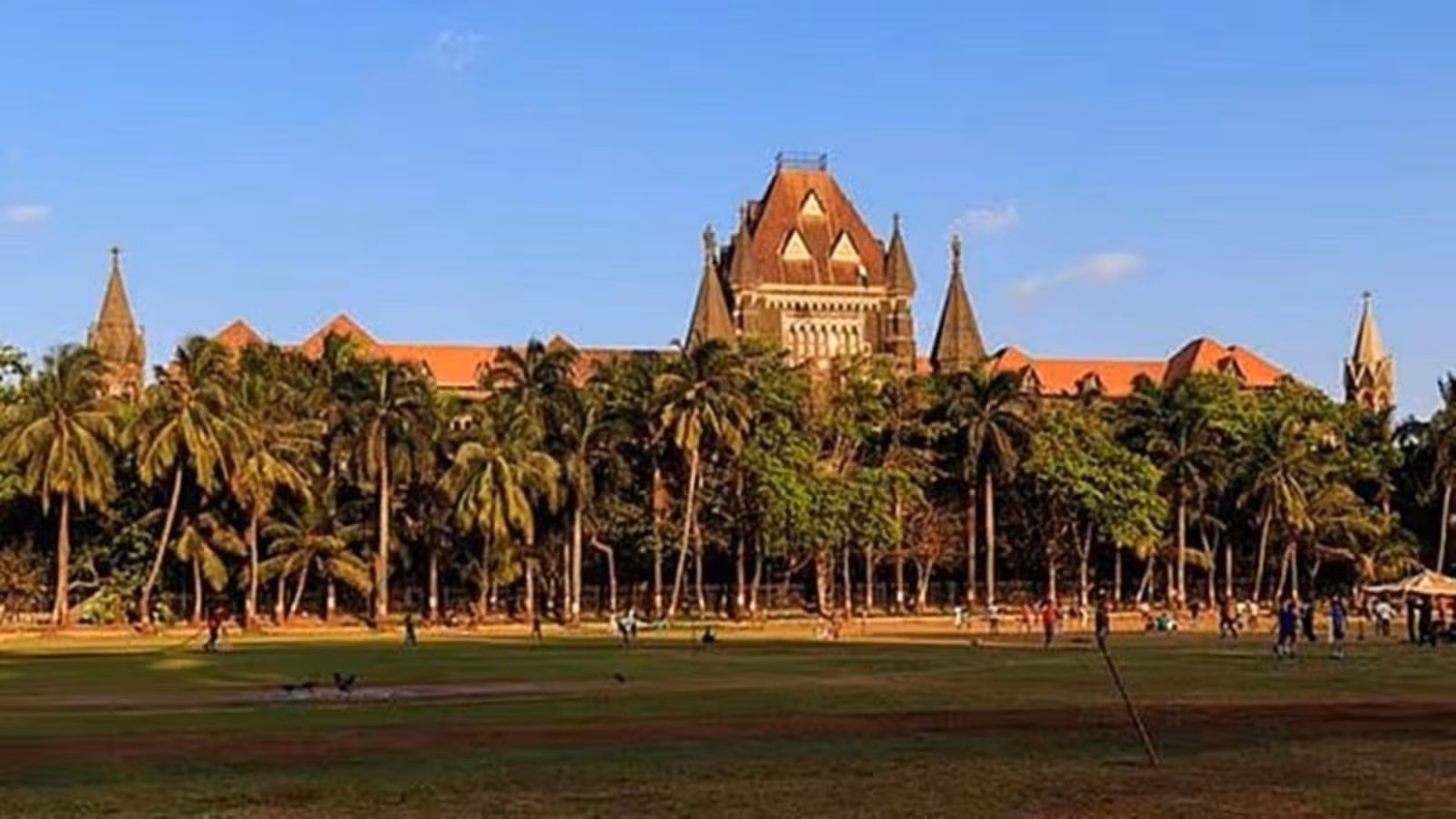
The Mumbai-Ahmedabad bullet train project has been granted permission to cut 847 mangroves in the city. This decision was made to facilitate the construction of the project.
The cutting of mangroves is a sensitive issue, as these trees play a crucial role in protecting the coastline and preventing erosion. However, in this case, the permission has been granted with the condition that remote plantation of mangroves will be allowed as an exception.
The project has been in the works for several years and has faced numerous delays and setbacks. The cutting of mangroves is just one of the many hurdles that the project has had to overcome.
The Mumbai-Ahmedabad bullet train project is a high-speed rail project that aims to connect the two cities with a travel time of just over two hours. The project is being implemented by the National High-Speed Rail Corporation Limited (NHSRCL) and is expected to cost over Rs 1.08 lakh crore.
The project has been touted as a game-changer for the region, with the potential to boost economic growth and create new job opportunities. However, it has also faced opposition from environmental groups and local residents who are concerned about the impact of the project on the environment and their livelihoods.
The cutting of mangroves is a significant issue, as these trees provide a habitat for numerous species of plants and animals. They also help to protect the coastline from erosion and storm surges.
The remote plantation of mangroves as an exception is a unique condition that has been imposed on the project. This means that the project developers will have to plant new mangroves in a remote location to compensate for the ones that are being cut.
The decision to cut mangroves has been made after careful consideration and consultation with environmental experts. The project developers have been instructed to take all necessary precautions to minimize the impact of the cutting on the environment.
In conclusion, the cutting of 847 mangroves for the Mumbai-Ahmedabad bullet train project is a significant development that has been made with careful consideration and consultation with environmental experts. While the project has the potential to boost economic growth and create new job opportunities, it is also important to consider the impact of the project on the environment and take necessary precautions to minimize it.
The project is expected to be completed by 2028 and will connect the cities of Mumbai and Ahmedabad with a high-speed rail link. The project has been touted as a game-changer for the region and has the potential to transform the way people travel between the two cities.
The decision to cut mangroves is a significant one, and it is important to monitor the impact of the project on the environment. The remote plantation of mangroves as an exception is a unique condition that has been imposed on the project, and it will be interesting to see how this condition is implemented.
The Mumbai-Ahmedabad bullet train project is a complex and ambitious project that has the potential to transform the region. While there are concerns about the impact of the project on the environment, it is also important to consider the potential benefits of the project and the positive impact it could have on the economy and job creation.
What it means for Mumbai is that the city will soon have a high-speed rail link to Ahmedabad, which will reduce travel time and increase connectivity between the two cities. This could have a significant impact on the economy and job creation in the region, and it will be interesting to see how the project develops in the coming years.
Frequently asked questions
How many mangroves will be cut for the bullet train project?
847 mangroves will be cut for the Mumbai-Ahmedabad bullet train project.
What is the condition for cutting mangroves?
Remote plantation of mangroves is allowed as an exception.