Nepal Flash Floods Death Toll Reaches 734
Flash floods in Nepal kill 734, nearly 2,500 missing. Rescue operations continue on day 5.
'%3E%3Crect%20width%3D'96'%20height%3D'96'%20fill%3D'%23B3261E'%2F%3E%3Ccircle%20cx%3D'30'%20cy%3D'24'%20r%3D'44'%20fill%3D'%23fff'%20opacity%3D'.12'%2F%3E%3Ccircle%20cx%3D'60'%20cy%3D'74'%20r%3D'40'%20fill%3D'%23000'%20opacity%3D'.10'%2F%3E%3C%2Fg%3E%3Cg%20fill%3D'%23fff'%3E%3Crect%20x%3D'29'%20y%3D'49'%20width%3D'8'%20height%3D'19'%20rx%3D'1'%2F%3E%3Crect%20x%3D'39'%20y%3D'40'%20width%3D'9'%20height%3D'28'%20rx%3D'1'%2F%3E%3Crect%20x%3D'50'%20y%3D'45'%20width%3D'8'%20height%3D'23'%20rx%3D'1'%2F%3E%3Crect%20x%3D'60'%20y%3D'53'%20width%3D'7'%20height%3D'15'%20rx%3D'1'%2F%3E%3Crect%20x%3D'41'%20y%3D'34'%20width%3D'5'%20height%3D'6'%2F%3E%3C%2Fg%3E%3C%2Fsvg%3E)
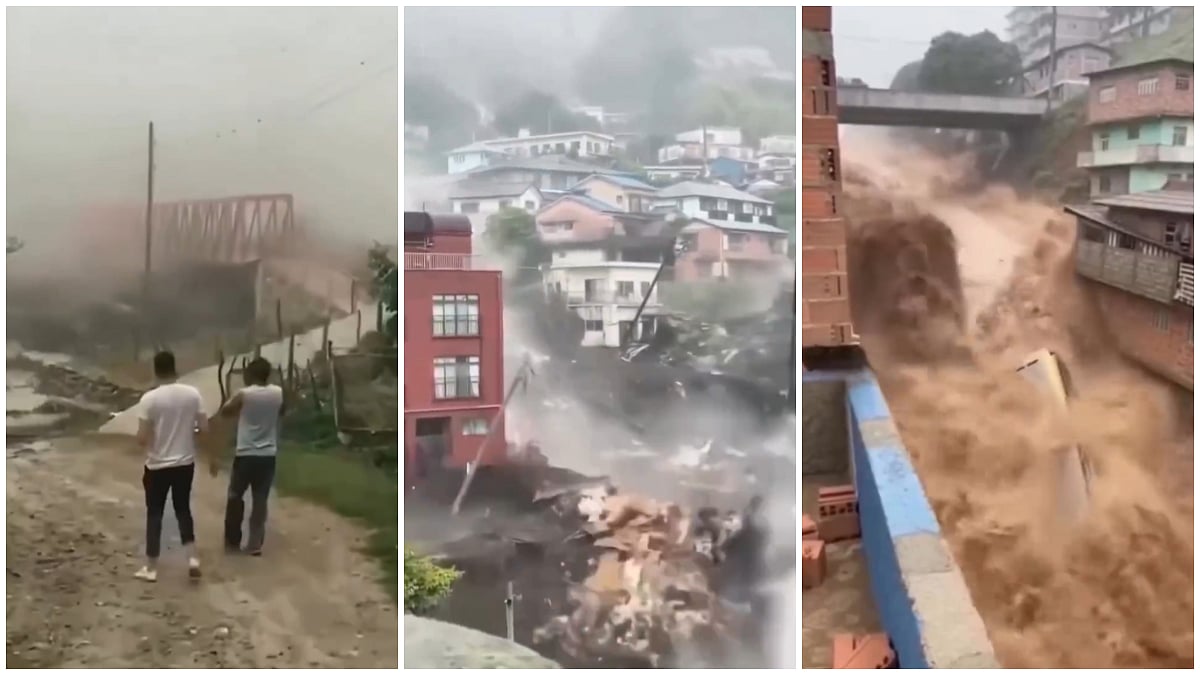
A devastating flash flood in Nepal has resulted in a death toll of 734, with nearly 2,500 people still missing, according to the National Disaster Risk Reduction and Management Authority (NDRRMA). The disaster occurred on August 26 after a glacial collapse near the Nepal-Tibet border, sending a massive surge of water, mud, rocks, and debris through the Bhotekoshi and Trishuli river systems.
The affected areas include several districts, with the highest number of recoveries reported from Chitwan, followed by Nawalparasi East and Nawalparasi West. The number of people reported missing has reached 2,498, including hydropower project workers, foreign nationals, tourists, and residents from the worst-hit districts.
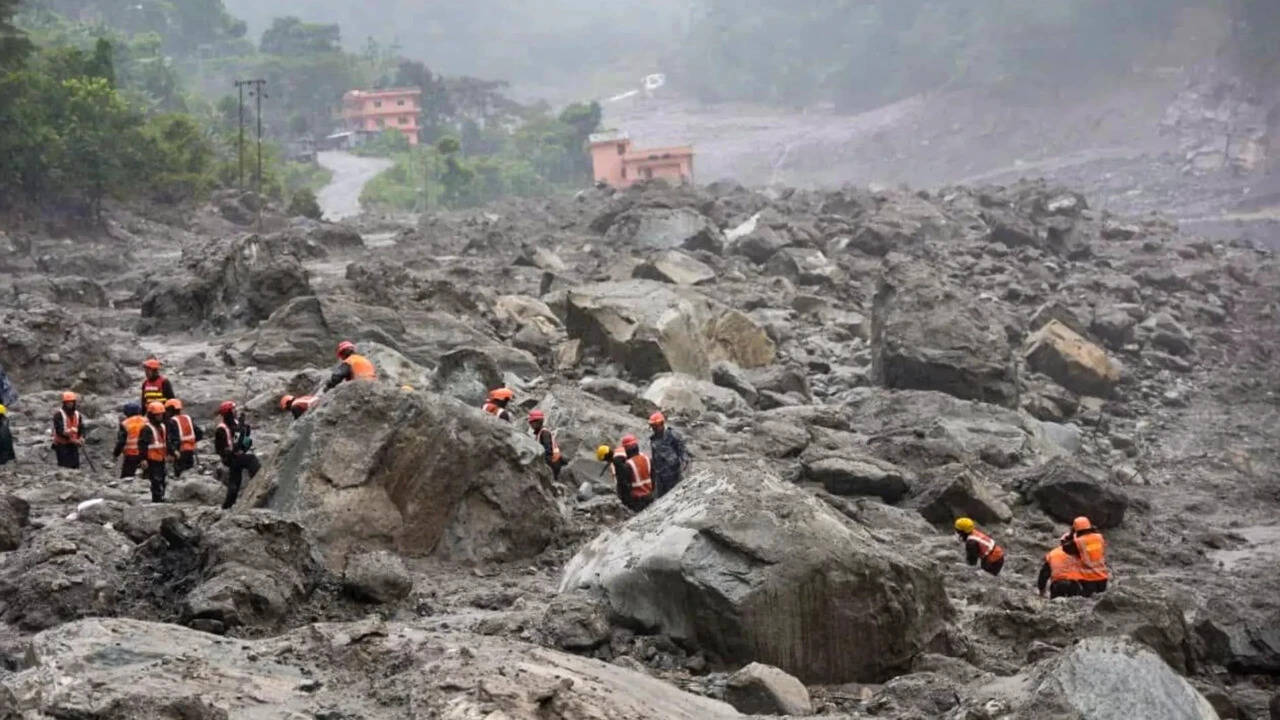
Rescue operations have intensified, with 19,895 security personnel deployed for search, rescue, and relief work. A total of 8,186 people have been rescued, including 2,974 by the Nepali Army, 2,699 by Nepal Police, and 2,513 by the Armed Police Force. Helicopters have been deployed to reach areas cut off by damaged roads and debris.
The disaster has severely affected Nepal's hydropower sector, with 933 hydropower project personnel listed among those missing. Rescue teams are continuing efforts to reach workers believed to be trapped inside hydropower tunnels in Rasuwa. An 11-member specialized tunnel rescue team from India has also been deployed to assist Nepal with the difficult rescue effort.
The glacial collapse near the Nepal-Tibet border triggered the massive floods, which swept through the Lhende Khola and into the Bhotekoshi and Trishuli river systems, devastating settlements and damaging critical infrastructure. The floods washed away roads and bridges, causing extensive damage to hydropower facilities and leaving several communities isolated.
The disaster has also affected Tibet, with reports of casualties. The situation is being closely monitored, and rescue efforts are ongoing. The Nepalese government has deployed significant resources to respond to the disaster, and international assistance is also being provided.
The flash floods in Nepal are a reminder of the importance of disaster preparedness and response. The country is prone to natural disasters, and the government and international community must work together to provide support and assistance to those affected.
In the coming days, the focus will be on continuing rescue efforts, providing relief to those affected, and assessing the damage caused by the floods. The international community is urged to provide support and assistance to Nepal during this difficult time.
The death toll and number of missing persons are expected to rise as rescue operations continue. The Nepalese government and international community are working together to respond to the disaster and provide support to those affected.
The flash floods in Nepal are a tragic reminder of the power of nature and the importance of disaster preparedness and response. The international community must come together to provide support and assistance to those affected and to help Nepal recover from this devastating disaster.
In conclusion, the flash floods in Nepal have resulted in a significant loss of life and widespread destruction. The rescue efforts are ongoing, and the international community is urged to provide support and assistance to those affected. The disaster highlights the importance of disaster preparedness and response, and the need for the international community to come together to provide support and assistance to those in need.
Frequently asked questions
What triggered the flash floods in Nepal?
A glacial collapse near the Nepal-Tibet border triggered the massive floods.
How many people have been rescued so far?
A total of 8,186 people have been rescued, including 2,974 by the Nepali Army, 2,699 by Nepal Police, and 2,513 by the Armed Police Force.